
Beyond Minimalism, The Rise of Storytelling Interfaces in Web Design
Discover how storytelling interfaces are reshaping web design. Learn why brands are moving beyond minimalism and how narrative-driven design boosts engagement.
Beyond Minimalism: The Rise of Storytelling Interfaces in Web Design
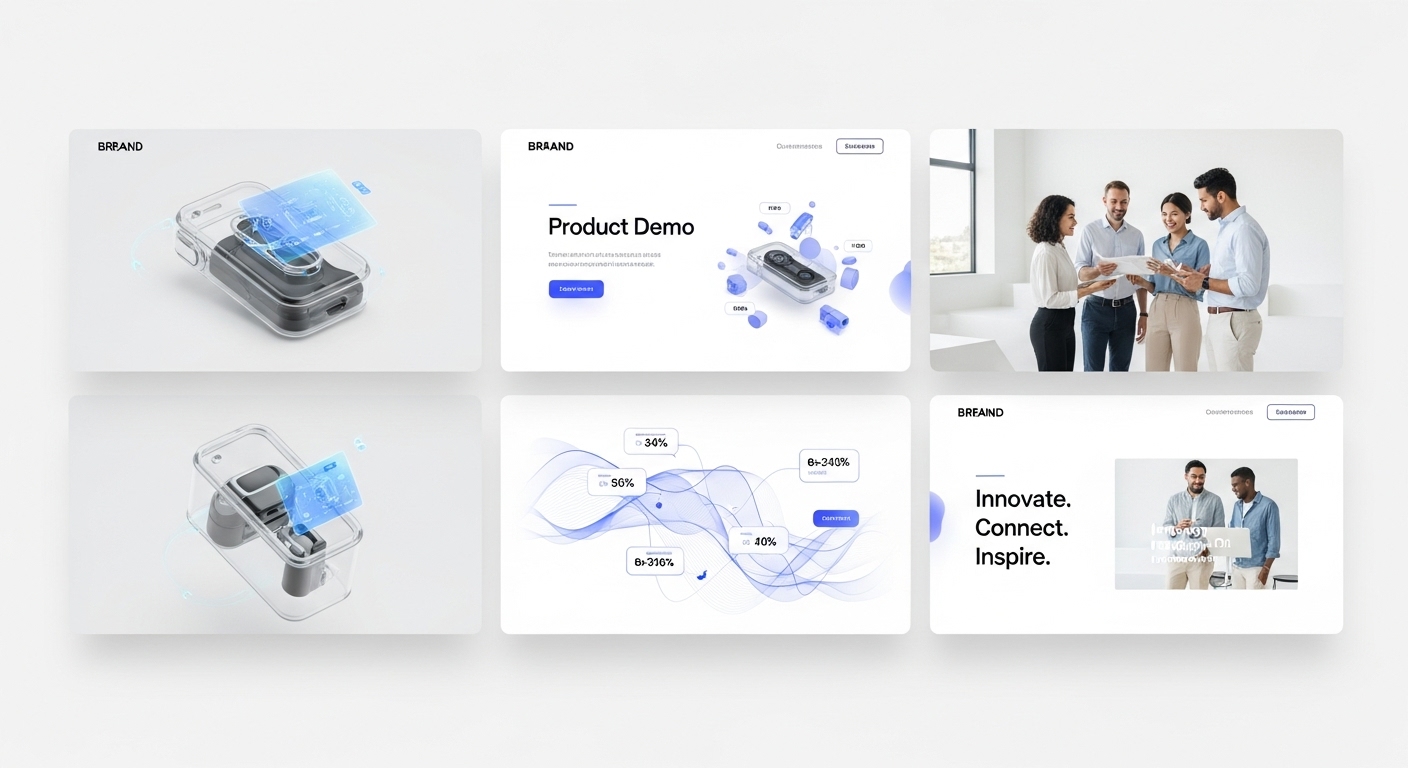
Minimalism has dominated web design for over a decade, defined by clean layouts, white space, and simple typography. But as digital experiences evolve, minimalism alone no longer captures user attention. Enter storytelling interfaces—a new design trend that blends narrative with interactivity. These interfaces turn websites into immersive experiences, guiding users through a brand’s journey rather than just displaying information.
What Are Storytelling Interfaces?
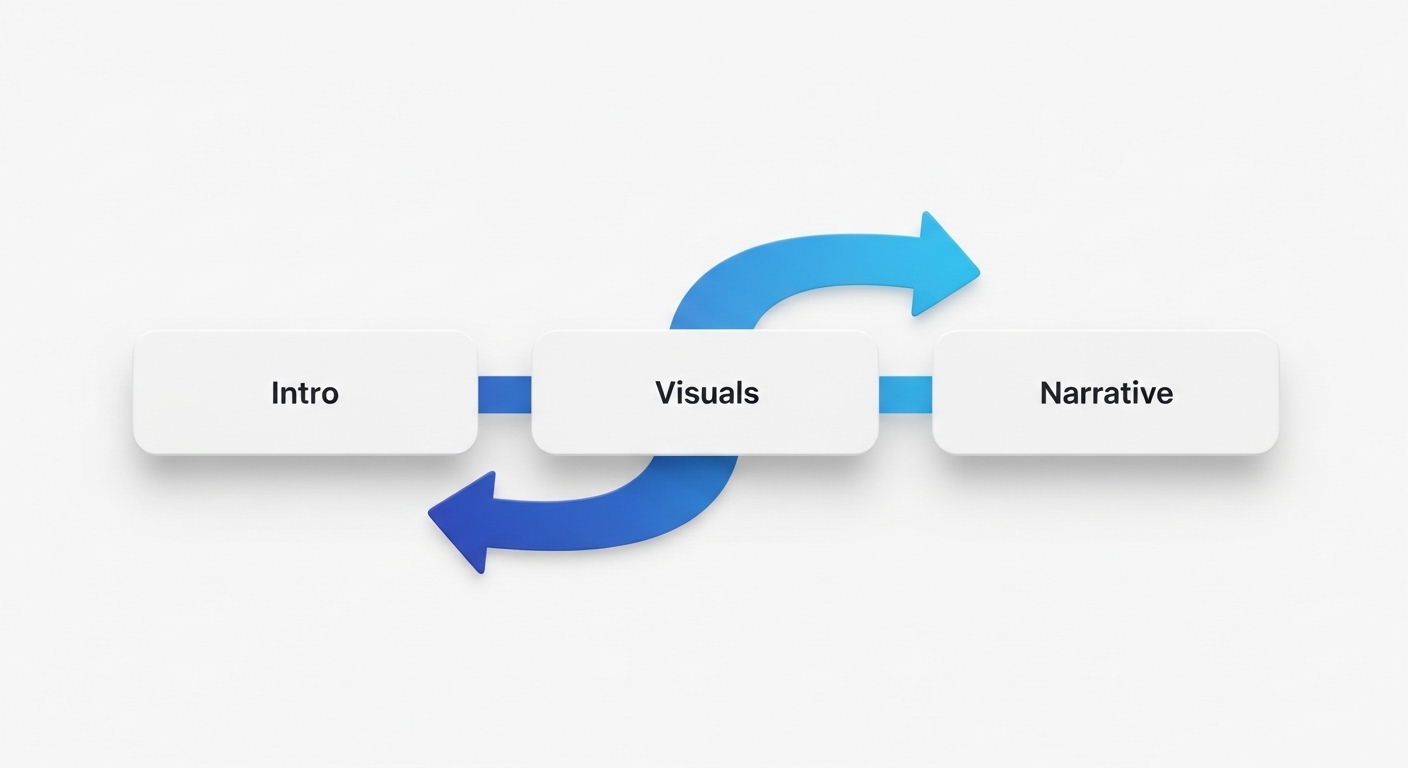
Storytelling interfaces use design, visuals, and interactivity to present content as a narrative. Instead of static pages, they lead users through a flow—often with animations, scrolling effects, or interactive modules.
Key Elements:
- Sequential storytelling with guided flows
- Strong use of visuals, animations, and motion design
- Personalization and interactivity for user engagement
Why Are They Rising Now?
- User Attention: Average attention spans online are under 8 seconds. Storytelling hooks users quickly.
- Brand Differentiation: In crowded markets, immersive design creates memorability.
- Technology Shift: With frameworks like React and WebGL, narrative-driven UIs are easier to build.
- Emotional Engagement: Stories connect on a deeper level than static layouts.
Examples of Storytelling Interfaces
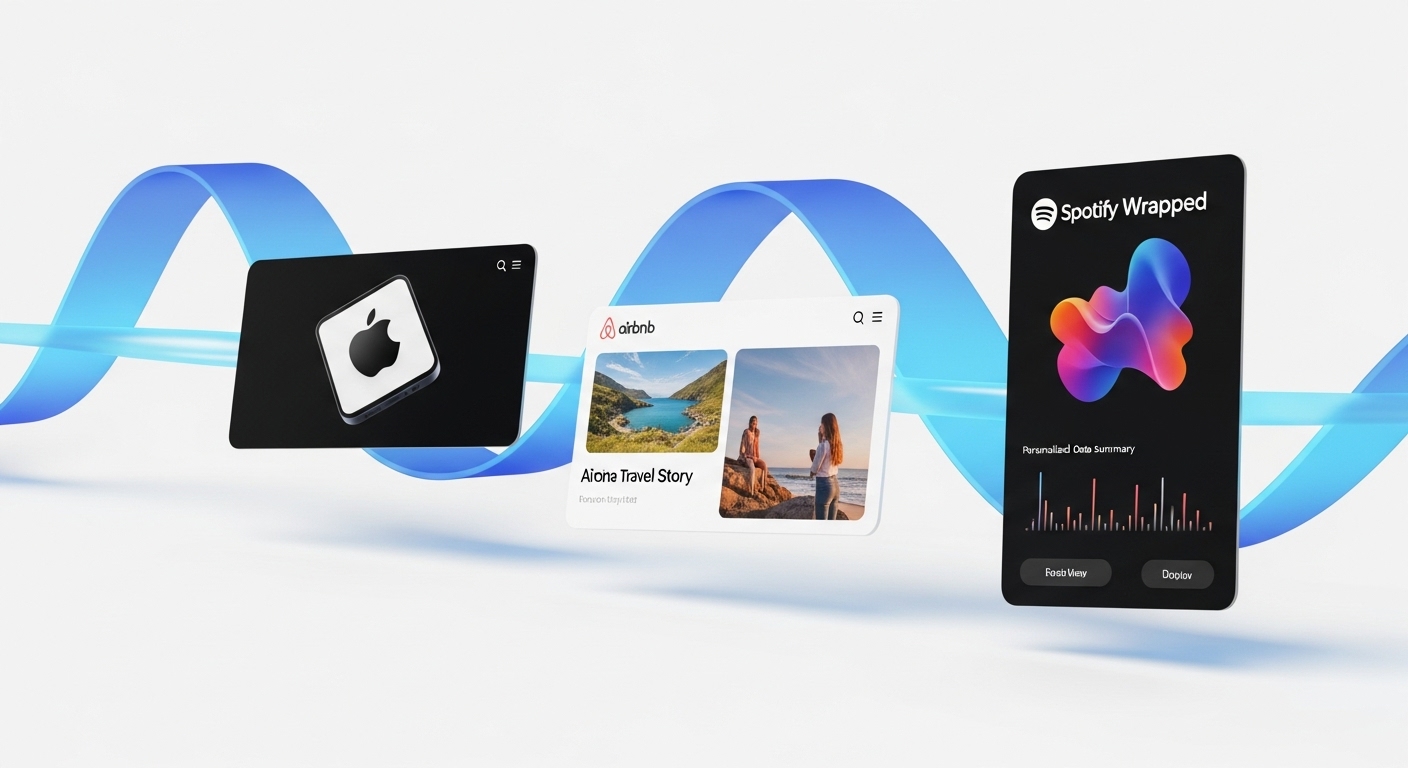
- Apple Product Pages: Use scrolling animations to guide users through product features.
- Airbnb City Guides: Immersive visuals and narratives bring destinations to life.
- Spotify Wrapped: Data-driven storytelling that feels personal and shareable.
How to Implement Storytelling in Web Design
- Define Your Core Narrative: What story is your brand telling?
- Structure the Flow: Break content into digestible, sequential sections.
- Use Motion Wisely: Animations should enhance, not overwhelm.
- Leverage Data Personalization: Create experiences that feel unique to each user.
Common Pitfalls
- Overloading with animations, causing performance issues.
- Sacrificing usability for aesthetics.
- Forgetting accessibility—narrative flows must remain inclusive.
Pro Tip (Brand CTA)
💡 At ROCKPAPER RUNWAY, we design websites that balance storytelling with performance. From scroll-based narratives to personalized UX flows, we help brands move beyond minimalism to create memorable, conversion-driven experiences.
Quick Reference: Storytelling Interface Benefits
- Captures attention within 8 seconds
- Differentiates brands in crowded markets
- Uses interactivity to deepen engagement
- Creates emotional connections with users
FAQ
Q: How do storytelling interfaces differ from minimalism?
A: Minimalism strips design down to essentials, while storytelling interfaces layer narrative, visuals, and interactivity to guide users.
Q: Do storytelling interfaces hurt site speed?
A: Not if built properly. Lightweight animations and optimized assets ensure smooth performance.
Q: Are storytelling interfaces B2B-friendly or only for consumer brands?
A: Both. Storytelling works in B2B by explaining complex products through narrative rather than static specs.
Key Takeaways
- ✓Minimalism built clarity, but storytelling interfaces build connection. Narrative-driven design turns websites into journeys, creating memorable experiences that resonate with users.
- ✓💡 At ROCKPAPER RUNWAY, we craft storytelling-driven websites that engage, convert, and set brands apart in the digital era.

Discussion
Be the first to start the conversation.
Leave a Comment