
First-Party Data: How to Win in a Cookieless 2025
Discover how to future-proof your marketing strategy in a cookieless 2025. Learn how to collect, manage, and activate first-party data for privacy-first personalization.
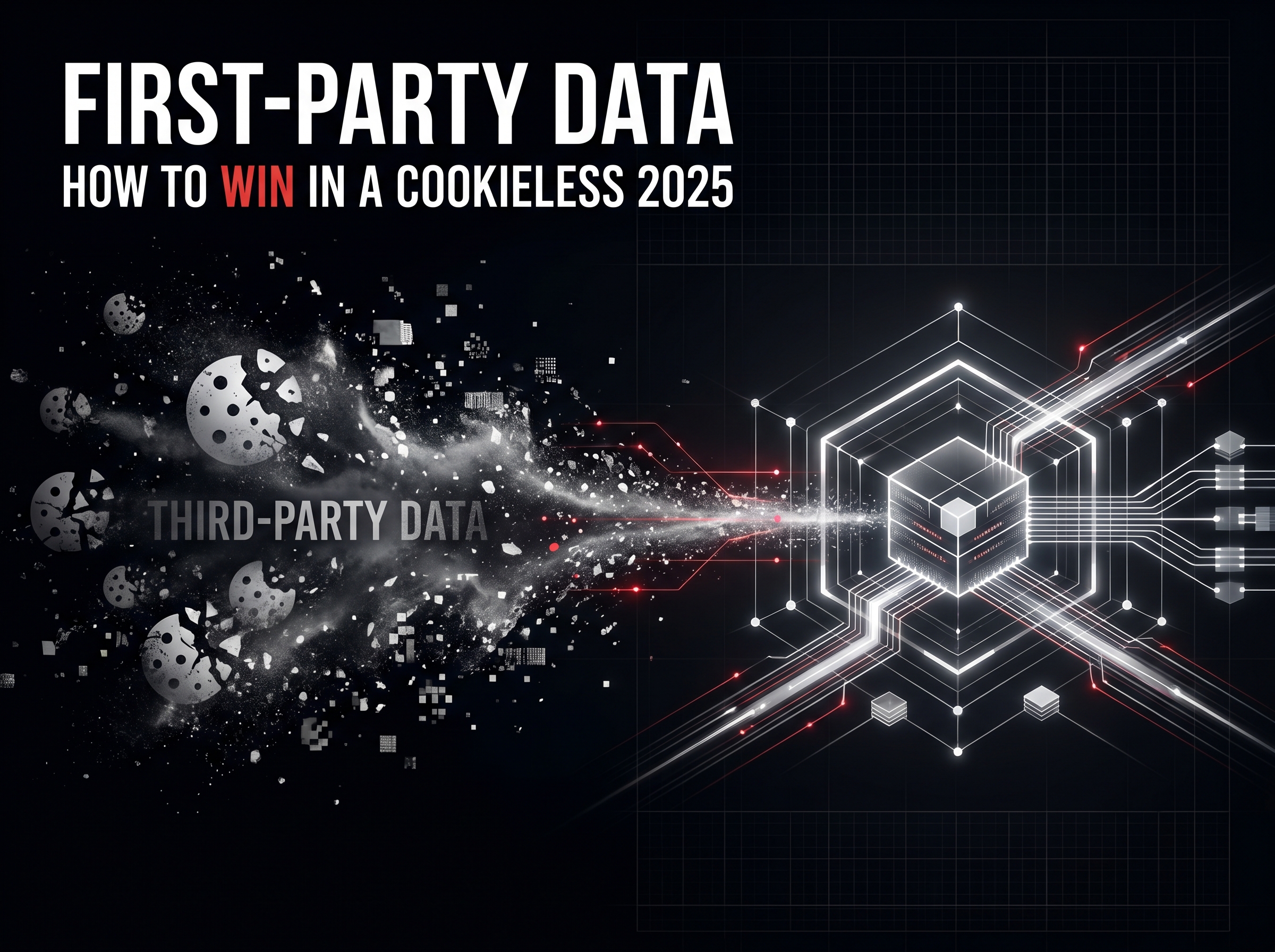
First-Party Data: How to Win in a Cookieless 2025
Third-party cookies are vanishing. With Google Chrome set to fully deprecate cookies in 2025, marketers face a new reality: winning in digital marketing now depends on first-party data. Rising privacy regulations (GDPR, CCPA) and consumer demand for transparency mean brands must rethink data collection, activation, and personalization. The cookieless future isn’t a threat—it’s an opportunity for those who build trust and invest in smarter data strategies.
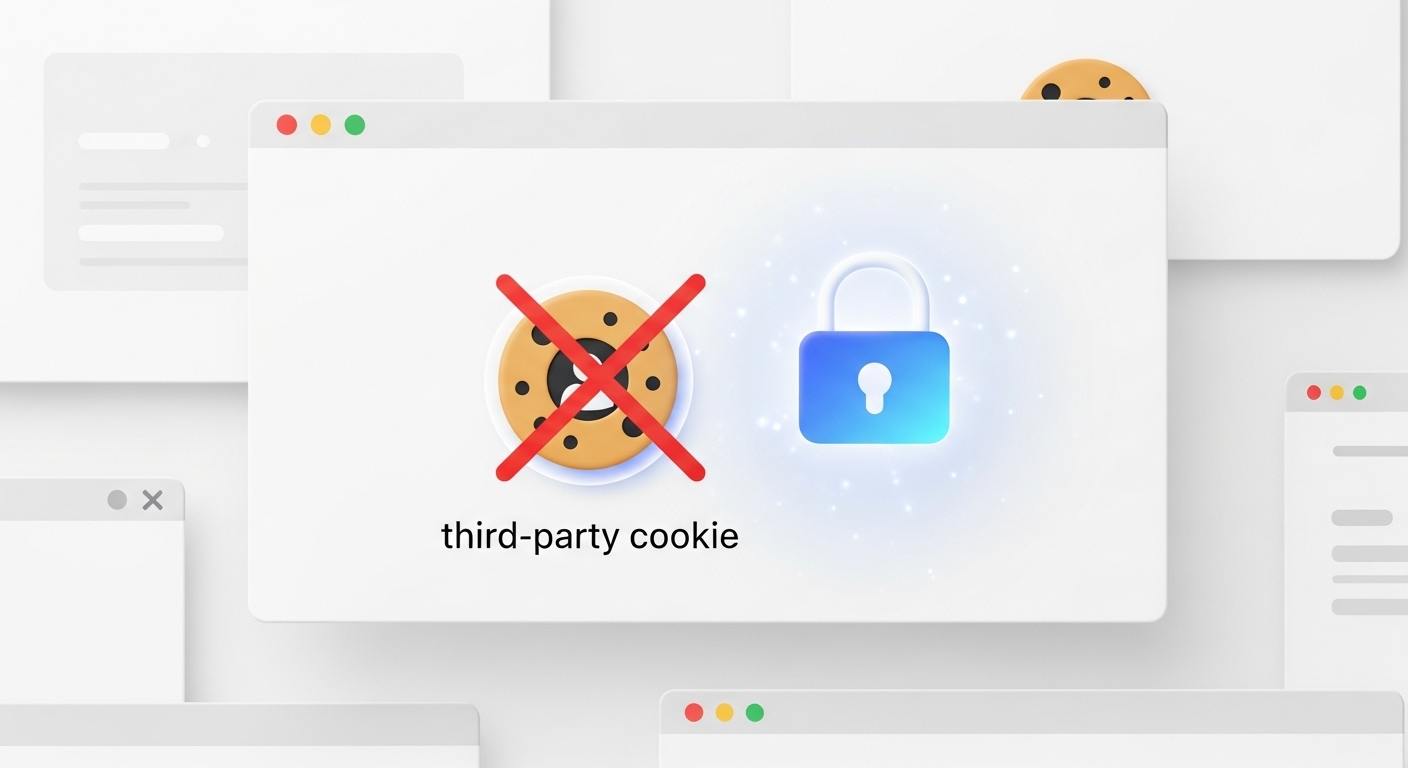
Why Third-Party Cookies Are Going Away
- Privacy Regulations: GDPR, CCPA, and global frameworks restrict third-party tracking.
- Consumer Trust: 81% of consumers say trust impacts their purchase decisions.
- Platform Shifts: Apple’s iOS and Google Chrome are leading the charge in phasing out cookies.
Key Stat: By 2025, 100% of Chrome traffic will be cookieless, impacting over 60% of global browsing activity.
Why First-Party Data is the New Currency
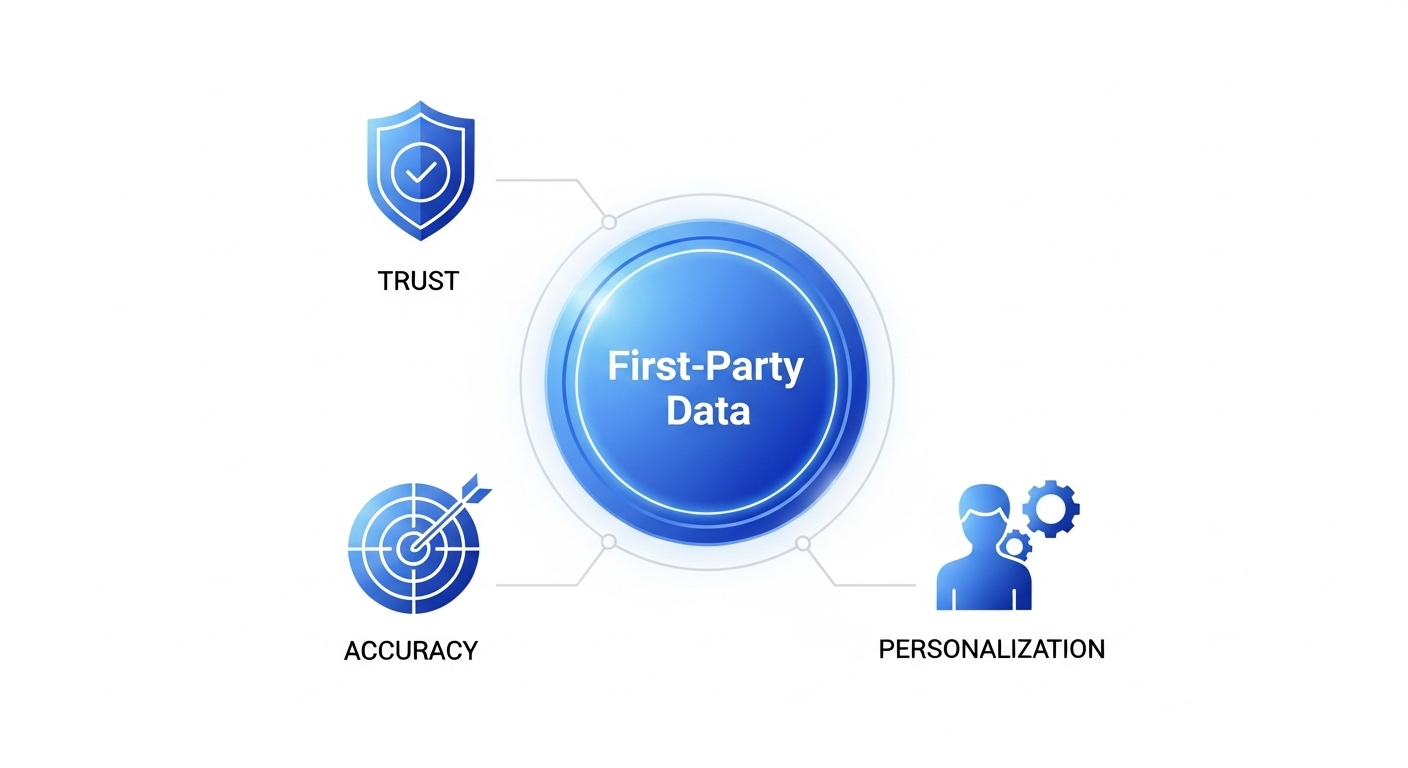
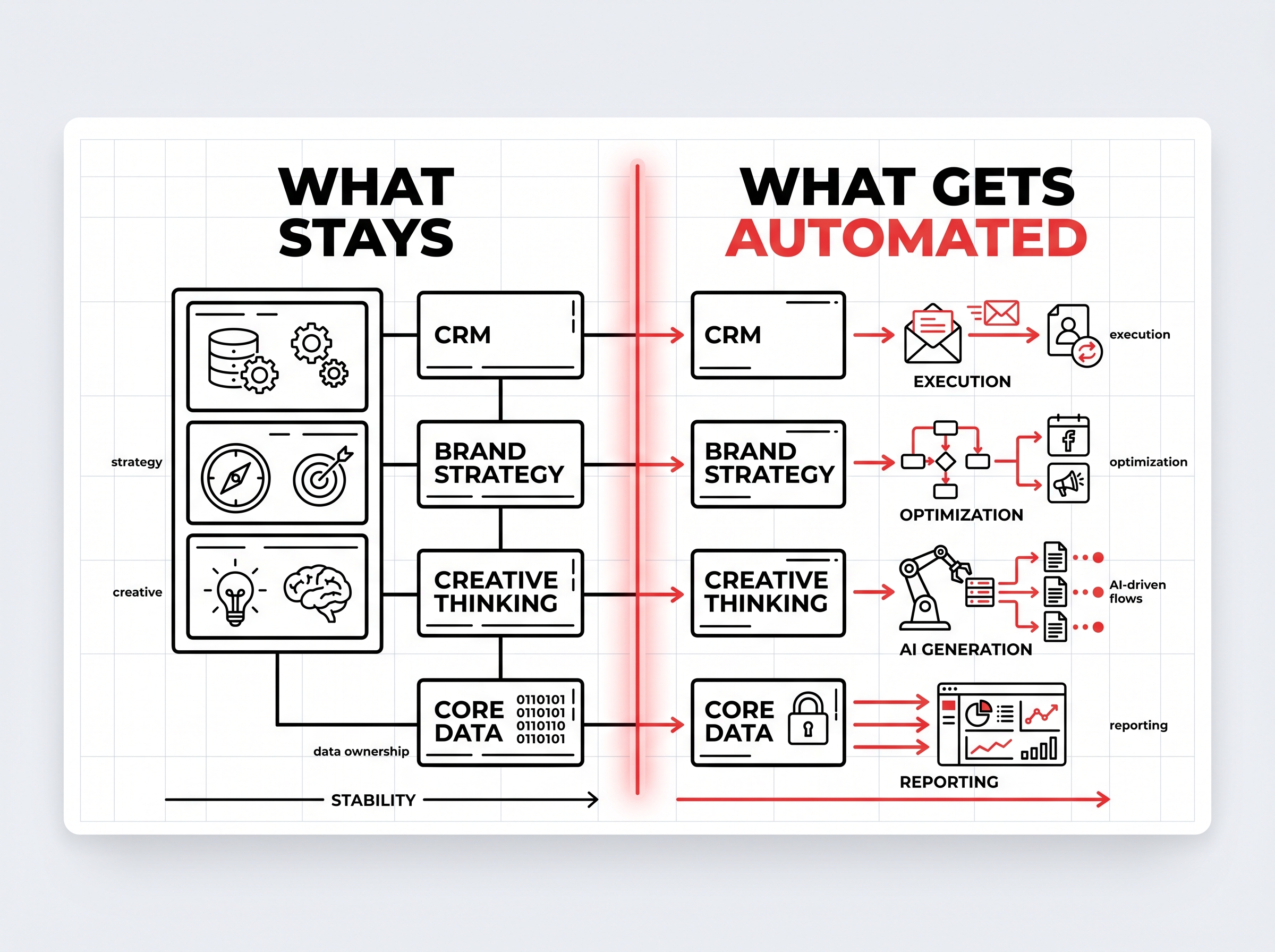
- Owned Data = Control: Collected directly from users via websites, apps, and CRM systems.
- Accuracy & Trust: Users willingly provide data, improving consent and quality.
- Personalization Power: Enables segmentation and predictive modeling without violating privacy.
- Competitive Edge: Brands with strong data foundations reduce dependency on third-party platforms.
SEO Keywords to Include: cookieless marketing, first-party data strategy, privacy-first personalization, customer data platform (CDP)
How to Build a First-Party Data Strategy in 2025
- Upgrade Data Infrastructure: Invest in CDPs (Customer Data Platforms) to unify data across channels.
- Create Value Exchanges: Offer exclusive content, discounts, or loyalty perks in exchange for data.
- Leverage Zero-Party Data: Collect data users intentionally share (preferences, surveys, polls).
- Prioritize Consent Management: Transparent opt-in flows build compliance and trust.
- Activate with AI: Use AI for personalization at scale—recommendations, predictive churn analysis, and targeted campaigns.
Case Studies: Brands Winning with First-Party Data
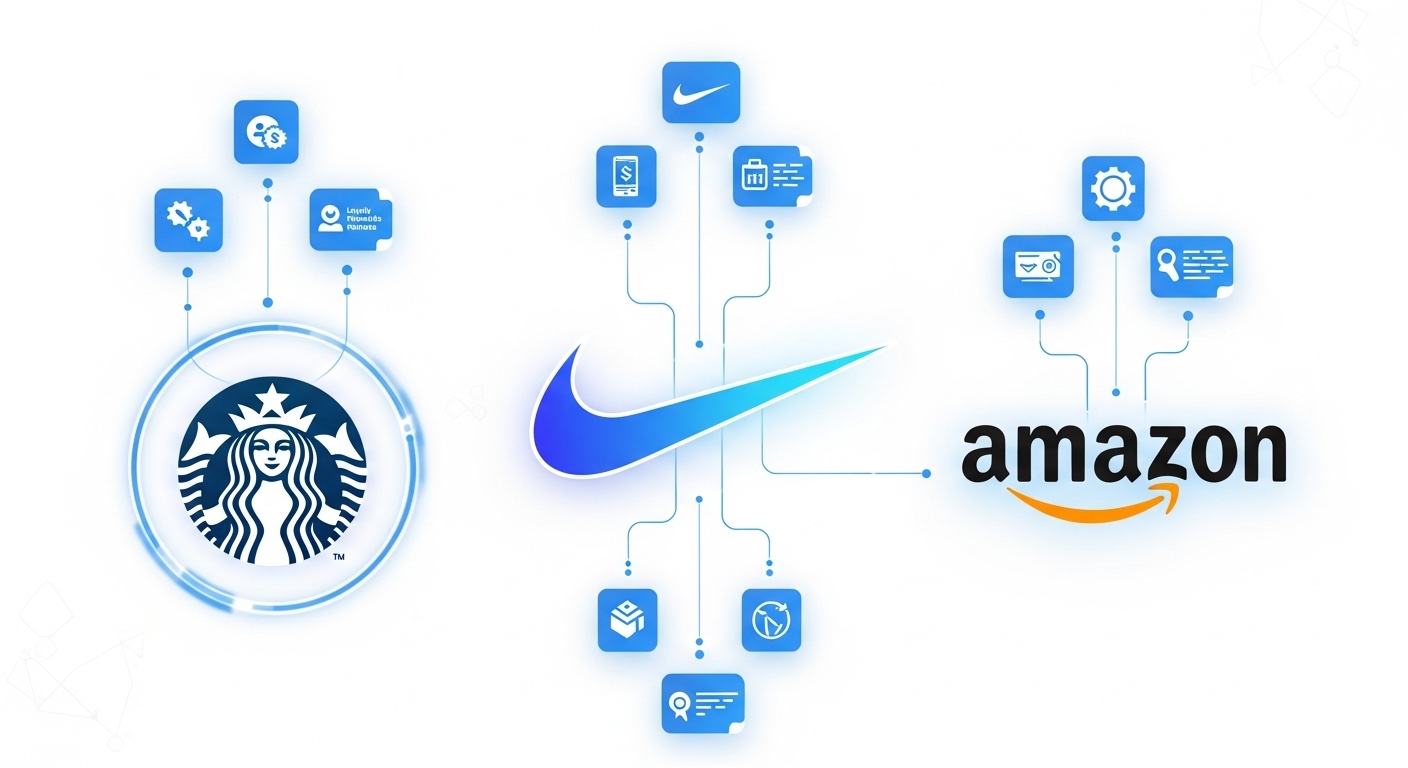
- Nike: Uses loyalty apps to collect behavioral + purchase data, driving personalized product drops.
- Starbucks: Rewards program powers predictive analytics for customer preferences.
- Amazon: First-party data fuels hyper-personalized recommendations, increasing lifetime value (LTV).
Quick Reference: First-Party Data in 2025
- Third-party cookies are fully deprecated by Chrome
- First-party data = accuracy, consent, personalization
- Invest in CDPs and AI-driven personalization
- Zero-party data boosts trust and relevance
- Transparency is the new marketing currency
FAQ
Q: What is first-party data?
A: Data collected directly from your users via owned channels like websites, apps, CRM, or loyalty programs.
Q: How is first-party data different from zero-party data?
A: Zero-party data is intentionally shared by customers (preferences, surveys), while first-party data is collected through user behavior.
Q: What tools help manage first-party data?
A: CDPs like Segment, BlueConic, and Salesforce CDP unify and activate customer data across channels.
Q: How can small businesses win without cookies?
A: Focus on building trust through value exchanges (loyalty, content) and leveraging affordable CDPs.
Key Takeaways
- ✓In a cookieless future, first-party data isn’t optional—it’s your competitive advantage. Brands that earn trust, unify data, and activate it intelligently will outpace those clinging to outdated third-party tracking.
- ✓At ROCKPAPER RUNWAY, we design privacy-first personalization strategies powered by first-party data—helping brands thrive in the cookieless era.

Discussion
Be the first to start the conversation.
Leave a Comment