
The Next Wave of Martech, What Stays, What Gets Automated
Explore how martech stacks are evolving in 2025. Learn which tools remain essential, what gets automated, and how CMOs can design AI-first marketing strategies.
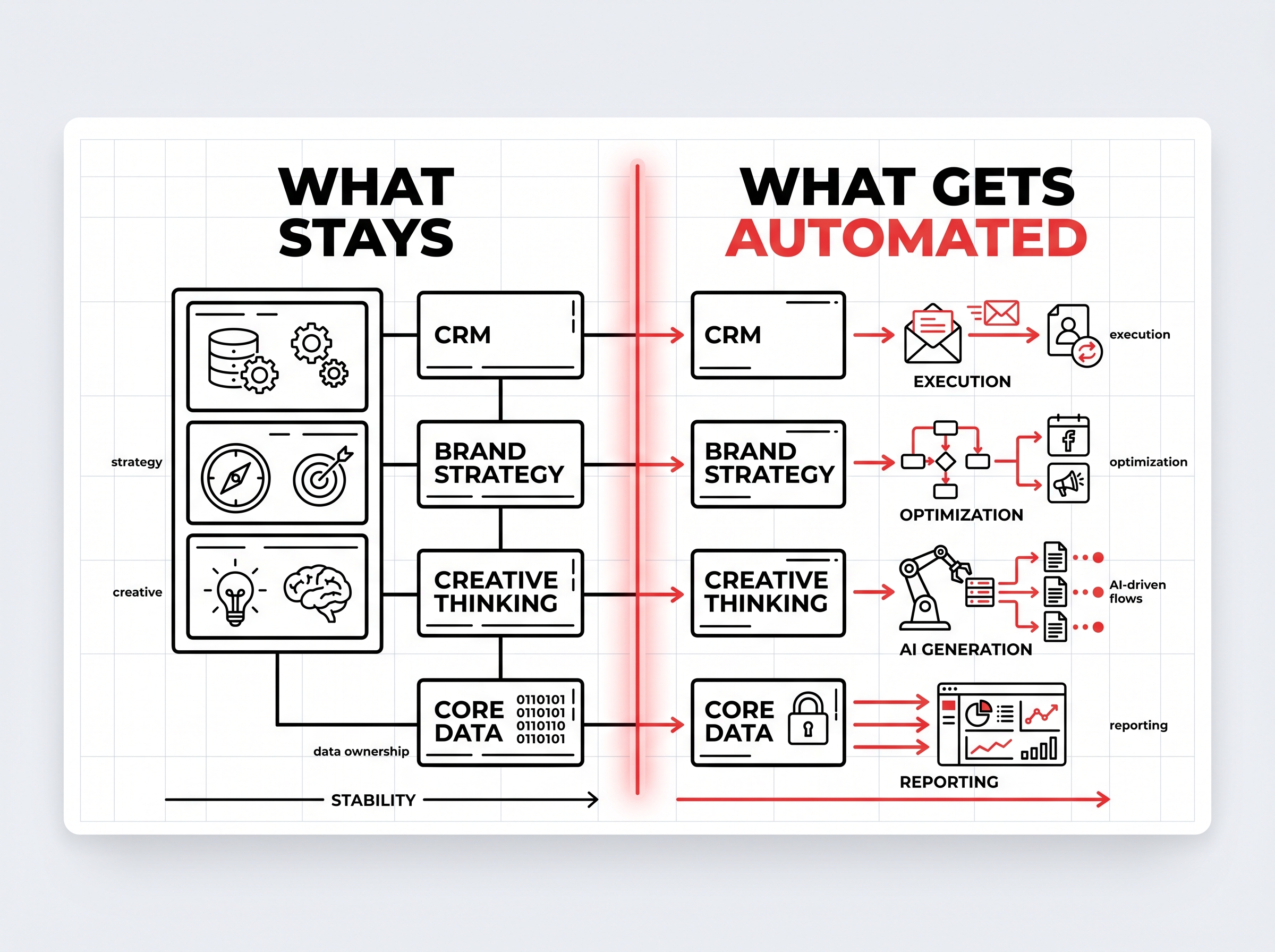
The Next Wave of Martech: What Stays, What Gets Automated
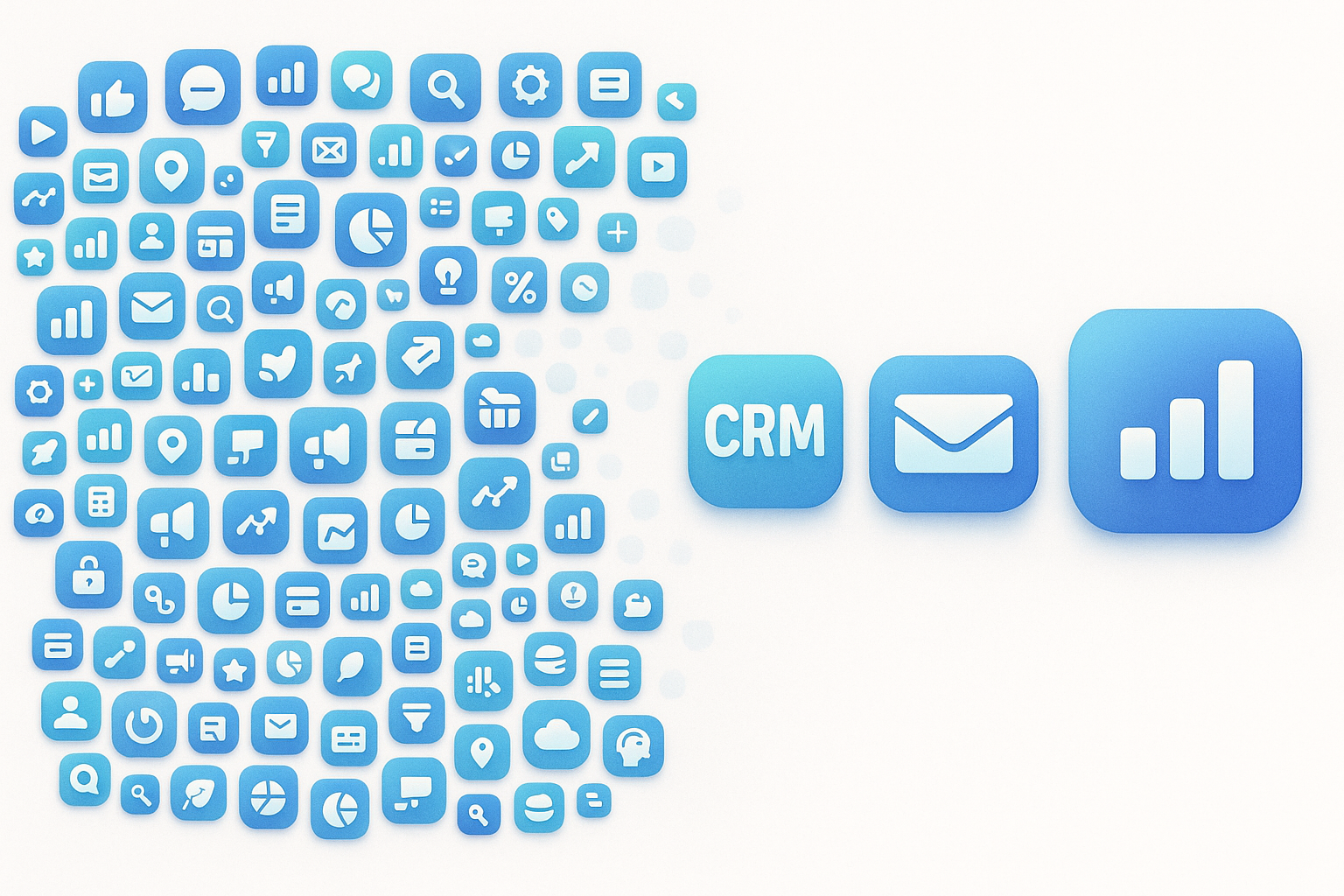
Martech stacks exploded over the past decade. By 2020, enterprises were juggling over 8,000 marketing tools—from CRMs to ad platforms to personalization engines. Fast forward to 2025, and the story has shifted. AI and automation are streamlining martech, reducing complexity while raising performance. For CMOs, the challenge isn’t how many tools you have, but how to design a lean, AI-first stack that drives results without wasted spend.
The State of Martech in 2025
- Too Many Tools: Most enterprises still use 90+ tools in their martech stack, creating overlap and inefficiency.
- Rising Costs: Gartner reports that marketing tech now consumes 25% of total marketing budgets.
- AI Adoption: 72% of CMOs are investing in AI-driven martech to cut redundancy and improve ROI.
Key Stat: By 2026, Gartner predicts that 70% of CMOs will shift from tool expansion to tool consolidation—focusing on fewer, smarter platforms.
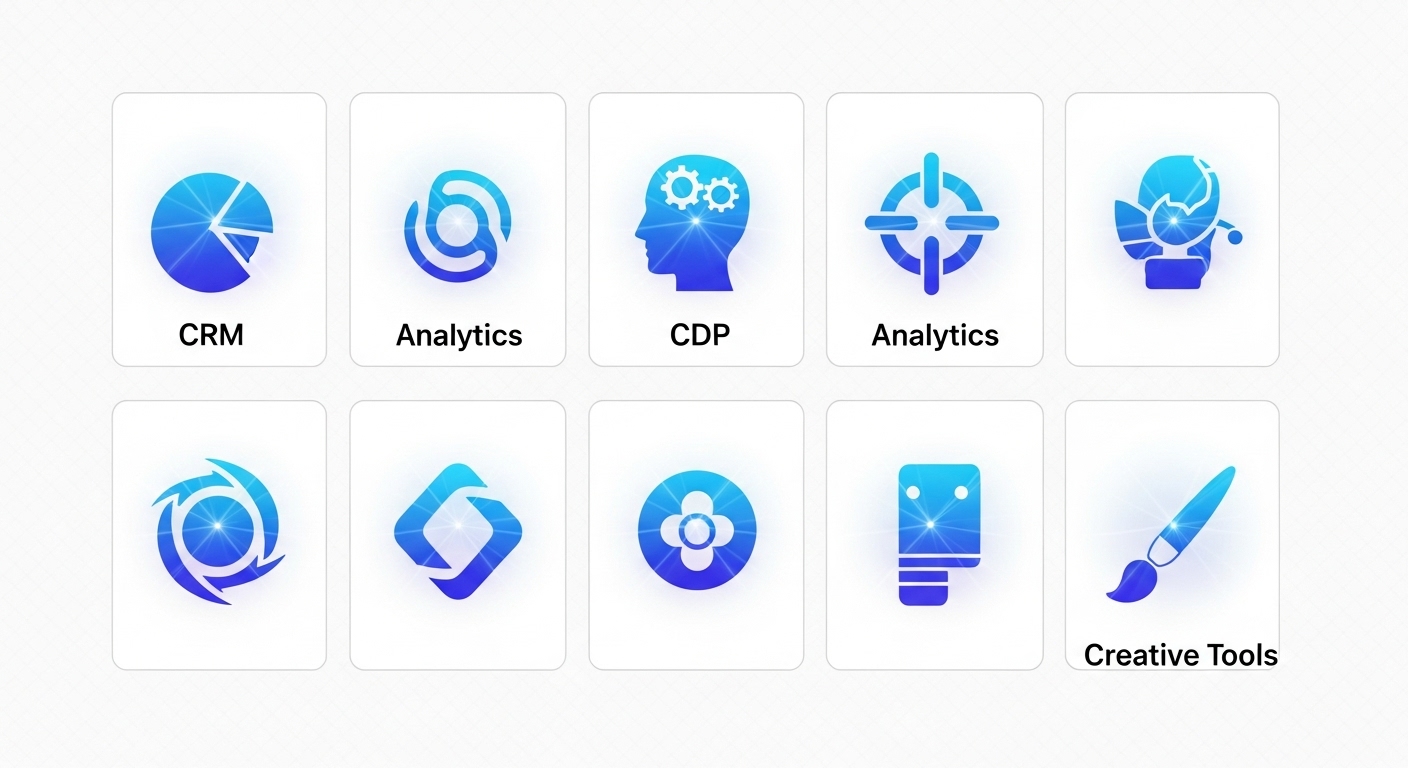
What Stays Essential
Some tools remain the backbone of marketing:
- CRM Systems (Salesforce, HubSpot): For managing customer relationships.
- CDPs (Segment, BlueConic): For unifying and activating first-party data.
- Analytics (Google Analytics 4, Mixpanel): For insights and measurement.
- Creative Platforms (Figma, Adobe, Canva): For design and content creation.
These tools are evolving, but they aren’t going away.
What Gets Automated
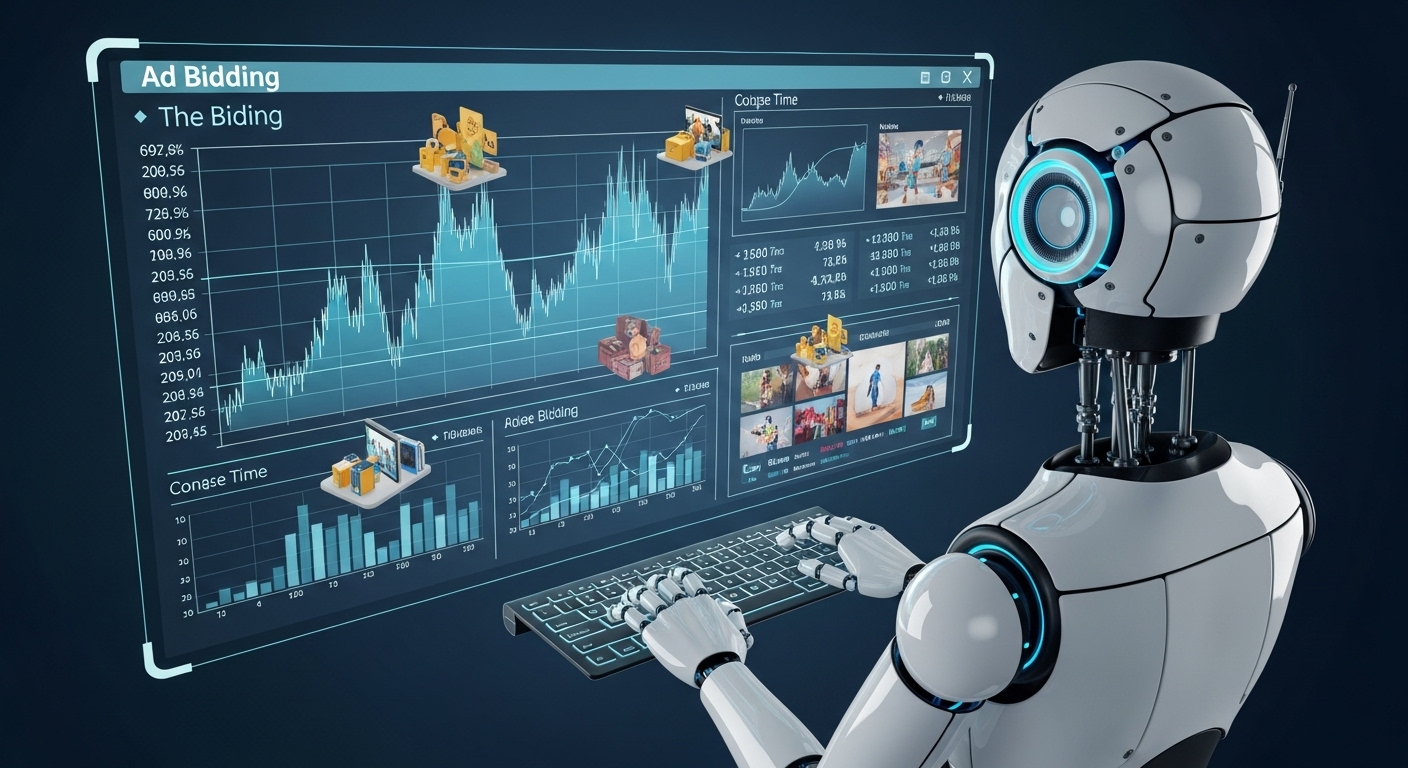
AI is reshaping entire categories of martech:
- Ad Buying: AI handles bidding, targeting, and budget optimization.
- Personalization: Machine learning delivers real-time product recommendations.
- Campaign Reporting: Automated dashboards replace manual reporting.
- Testing & Optimization: AI runs A/B and multivariate tests at scale.
SEO Keywords: martech 2025, AI marketing tools, marketing automation, martech stack.
How to Build a Lean, AI-First Martech Stack
- Audit Your Tools: Identify overlap and cut redundancies.
- Prioritize Integration: Choose platforms that play well together.
- Invest in AI-Native Tools: From ad platforms to creative copilots.
- Keep the Human Layer: Use automation for efficiency, humans for strategy and storytelling.
- Focus on ROI, Not Hype: Adopt tools that align with business outcomes.
The CMO Perspective
For CMOs, the martech challenge isn’t about chasing shiny tools—it’s about balancing automation with human creativity. AI copilots can generate copy, design layouts, and optimize campaigns, but only human marketers can craft strategy, emotion, and brand storytelling. The next wave of martech is about augmentation, not replacement.
Pro Tip
💡 At ROCKPAPER RUNWAY, we help CMOs design AI-first martech stacks that cut redundancy, boost ROI, and keep creativity at the core of every campaign.
Quick Reference: Martech in 2025
- Enterprises juggle 90+ tools; AI consolidates stacks
- Martech = 25% of marketing budgets
- What stays: CRM, CDP, analytics, creative tools
- What gets automated: ad buying, personalization, reporting, testing
- Future: fewer, smarter, AI-first platforms
FAQ
Q: How should CMOs decide which tools to cut?
A: Start with a stack audit—look for duplicate functions, underused tools, and costly platforms that don’t deliver ROI.
Q: What’s the biggest risk of martech automation?
A: Over-reliance on AI without human oversight, leading to generic campaigns and missed brand differentiation.
Q: Will martech jobs disappear with AI?
A: No—roles will shift. AI handles execution, while humans focus on creativity, strategy, and ethics.


Discussion
Be the first to start the conversation.
Leave a Comment