
Performance Marketing vs Brand Marketing, why companies requires both
Discover why balancing performance marketing and brand marketing is critical in 2025. Learn how CMOs can integrate short-term ROI with long-term brand equity.
Performance Marketing vs Brand Marketing: Why 2025 Requires Both
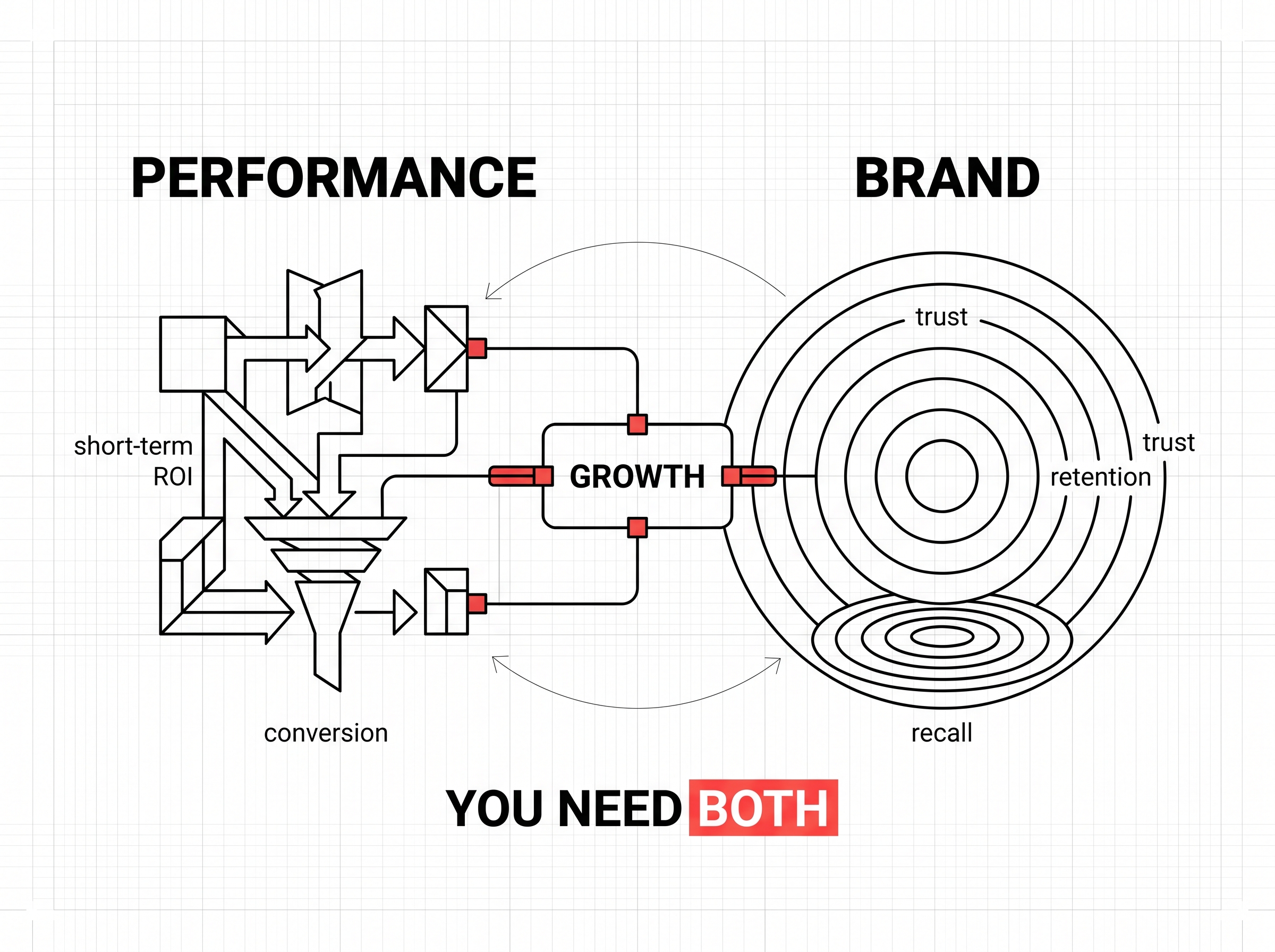
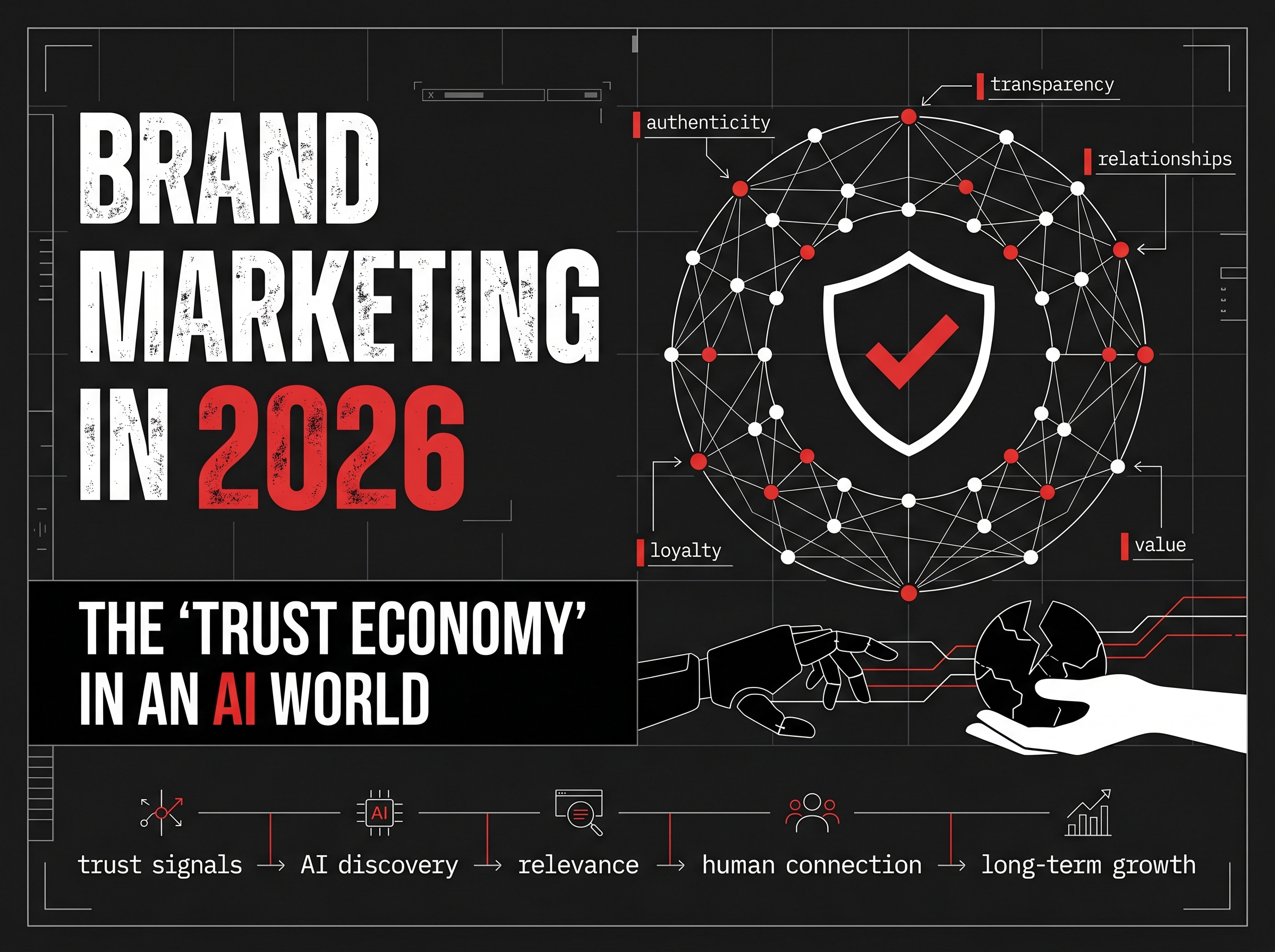
For years, marketing teams have debated where to invest: performance marketing for immediate ROI, or brand marketing for long-term equity. In 2025, the answer is clear you can’t choose one over the other. With customer acquisition costs (CAC) rising and consumer trust at a premium, winning brands combine performance and brand marketing into a unified growth strategy.
What is Performance Marketing?
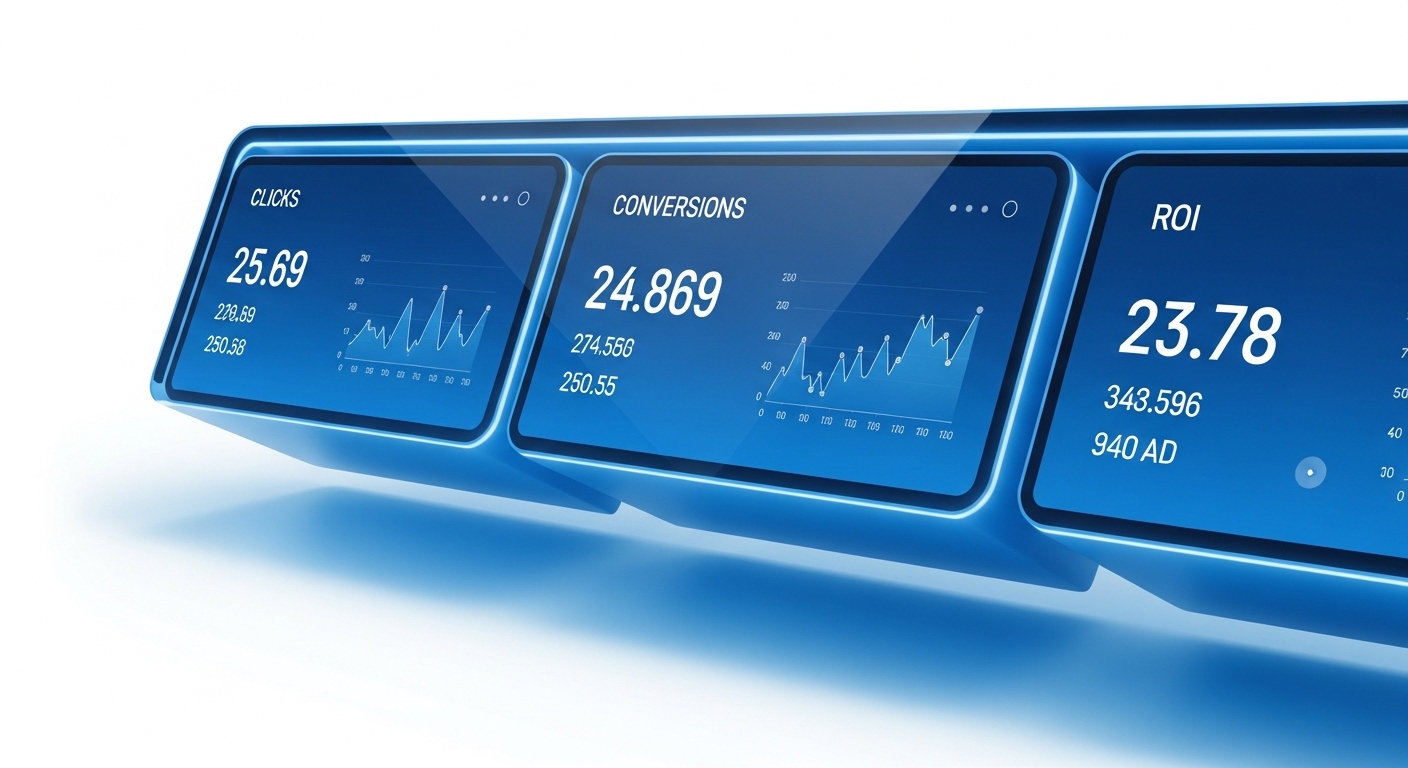
Performance marketing focuses on measurable, short-term outcomes like clicks, conversions, and revenue. Common channels include:
- Paid search (Google Ads)
- Paid social (Meta, TikTok, LinkedIn)
- Affiliate marketing
- Programmatic advertising
What is Brand Marketing?
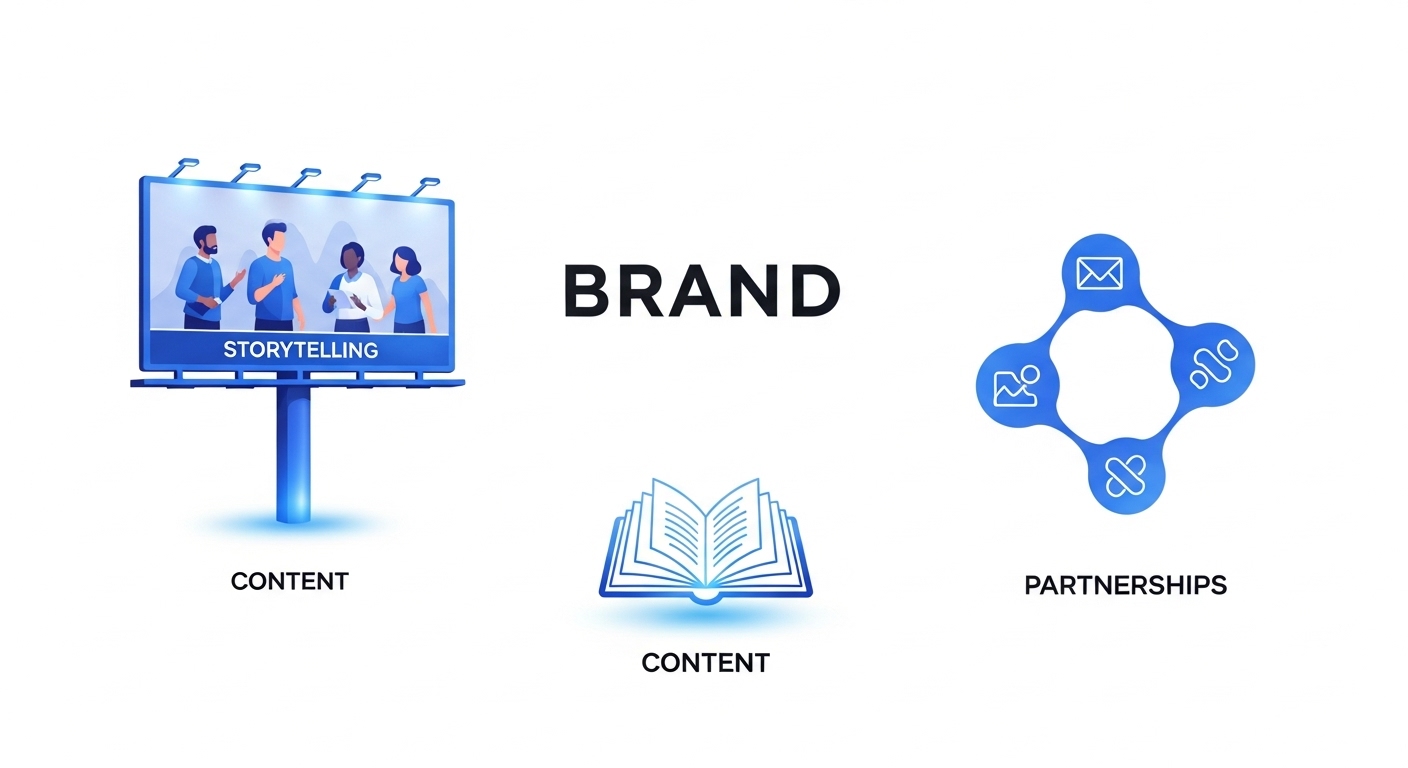
Brand marketing builds long-term awareness, trust, and customer loyalty. It’s less about immediate clicks and more about shaping perception. Common tactics include:
- Storytelling campaigns
- Content marketing
- Sponsorships & partnerships
- Consistent visual identity
Why 2025 Requires Both
- Rising Customer Acquisition Costs: Paid media is more expensive than ever—without strong brand equity, CAC skyrockets.
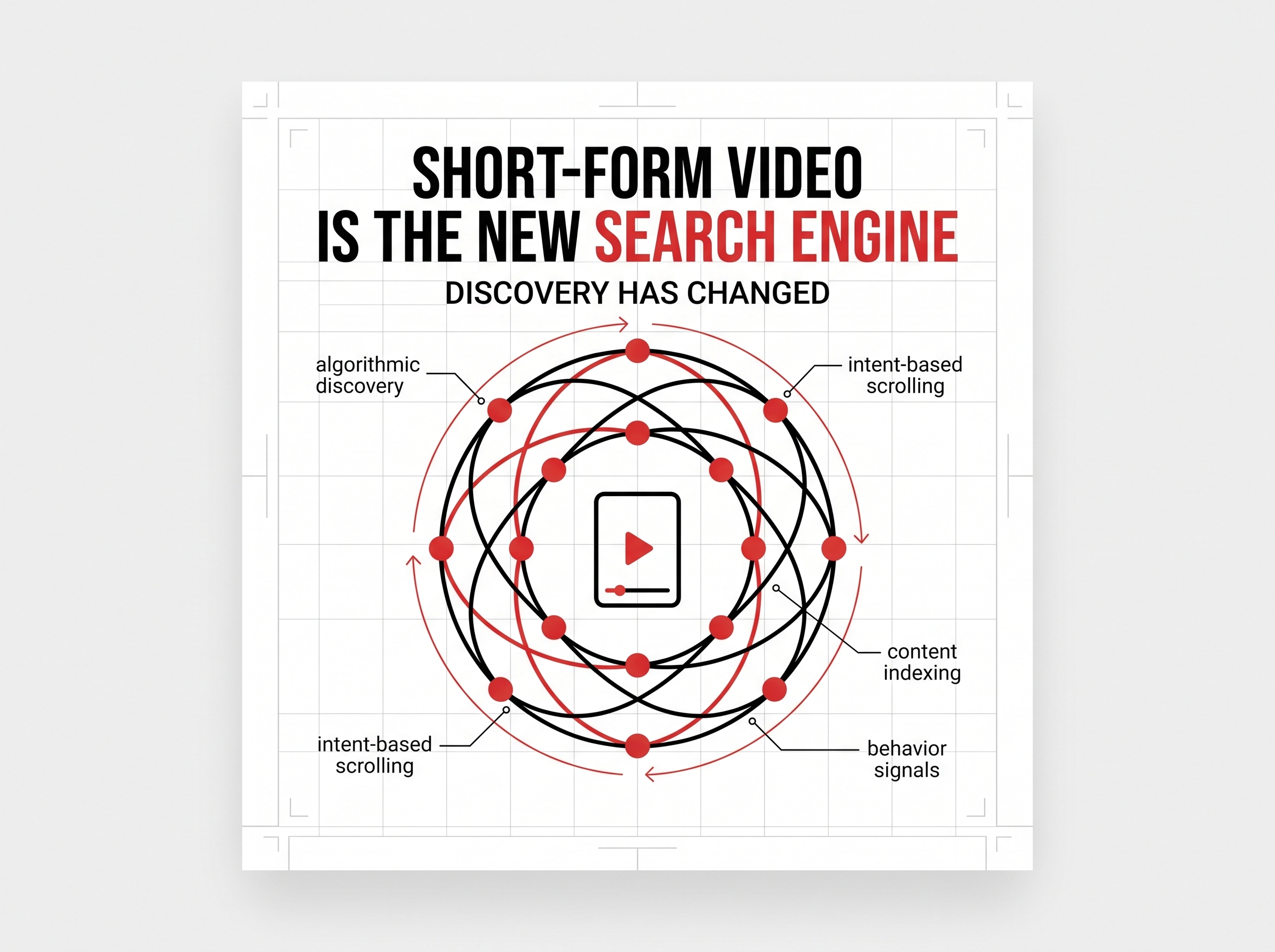
- Zero-Click & LLM Search: With ChatGPT, Perplexity, and TikTok SEO rising, brand recognition ensures visibility beyond Google.
- Consumer Trust & Loyalty: 82% of consumers say trust influences purchase decisions (Edelman, 2025).
- Budget Efficiency: A hybrid approach reduces over-reliance on ads while compounding brand equity.
Key Stat: According to Gartner, brands that balance performance and brand marketing see 23% higher long-term growth compared to those that favor one side.
The Risks of Over-Investing in One Side
- Too Much Performance Marketing: Short-term wins, but long-term brand fatigue. Customers forget you when ads stop.
- Too Much Brand Marketing: Awareness grows, but without performance tactics, it’s hard to tie investment to ROI.
How to Balance Performance and Brand in 2025
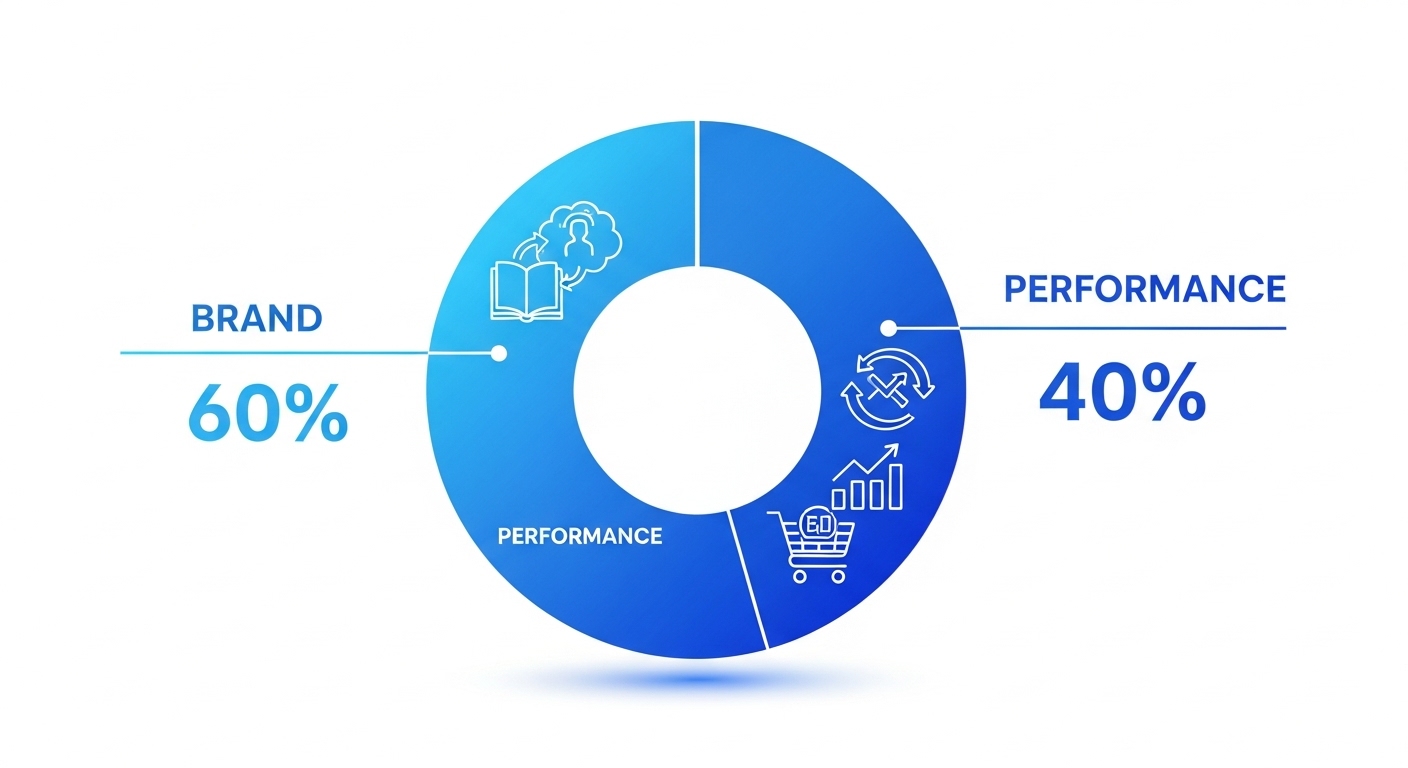
- Split Budgets Strategically: A common framework is 60% brand / 40% performance (but adjust per industry).
- Integrate Campaigns: Pair brand storytelling with retargeting campaigns.
- Measure What Matters: Track not just conversions but brand lift, engagement, and lifetime value (LTV).
- Leverage AI: Use AI tools for personalization in performance marketing and storytelling insights for branding.
Related Reading: The Next Wave of Martech: What Stays, What Gets Automated
Case Studies
- Nike: Combines inspiring brand storytelling with performance-driven product launches.
- Airbnb: Brand-first campaigns build trust; performance ads drive bookings.
- Spotify: Personalized ads (performance) layered on top of brand campaigns like Wrapped.
Quick Reference: Performance vs Brand Marketing
- Performance = measurable ROI, conversions, ads
- Brand = awareness, loyalty, trust
- 2025 requires both: unified growth strategy
- AI & LLMs amplify both channels
- Balanced brands grow 23% faster
FAQ
Q: Which is better in 2025, brand or performance marketing?
A: Neither—brands need both. Performance drives immediate ROI, while brand builds long-term equity.
Q: How should CMOs split their budget between brand and performance?
A: Many adopt a 60/40 split, but it depends on industry, growth stage, and goals.
Q: How does AI change performance vs brand marketing?
A: AI improves personalization, measurement, and creative generation—making integration easier than ever.
Key Takeaways
- ✓In 2025, marketing success isn’t brand or performance—it’s brand and performance. The brands that win will integrate the trust-building power of brand marketing with the ROI-driven precision of performance marketing.
- ✓💡 At ROCKPAPER RUNWAY, we help CMOs design hybrid strategies—balancing brand equity with performance marketing to scale growth sustainably.

Discussion
Be the first to start the conversation.
Leave a Comment