
AI Marketing Trends for 2026, What’s Next After Automation
Explore the top AI marketing trends for 2026 — from predictive personalization and creative AI to emotional targeting. Learn how brands can stay ahead in the post-automation era.
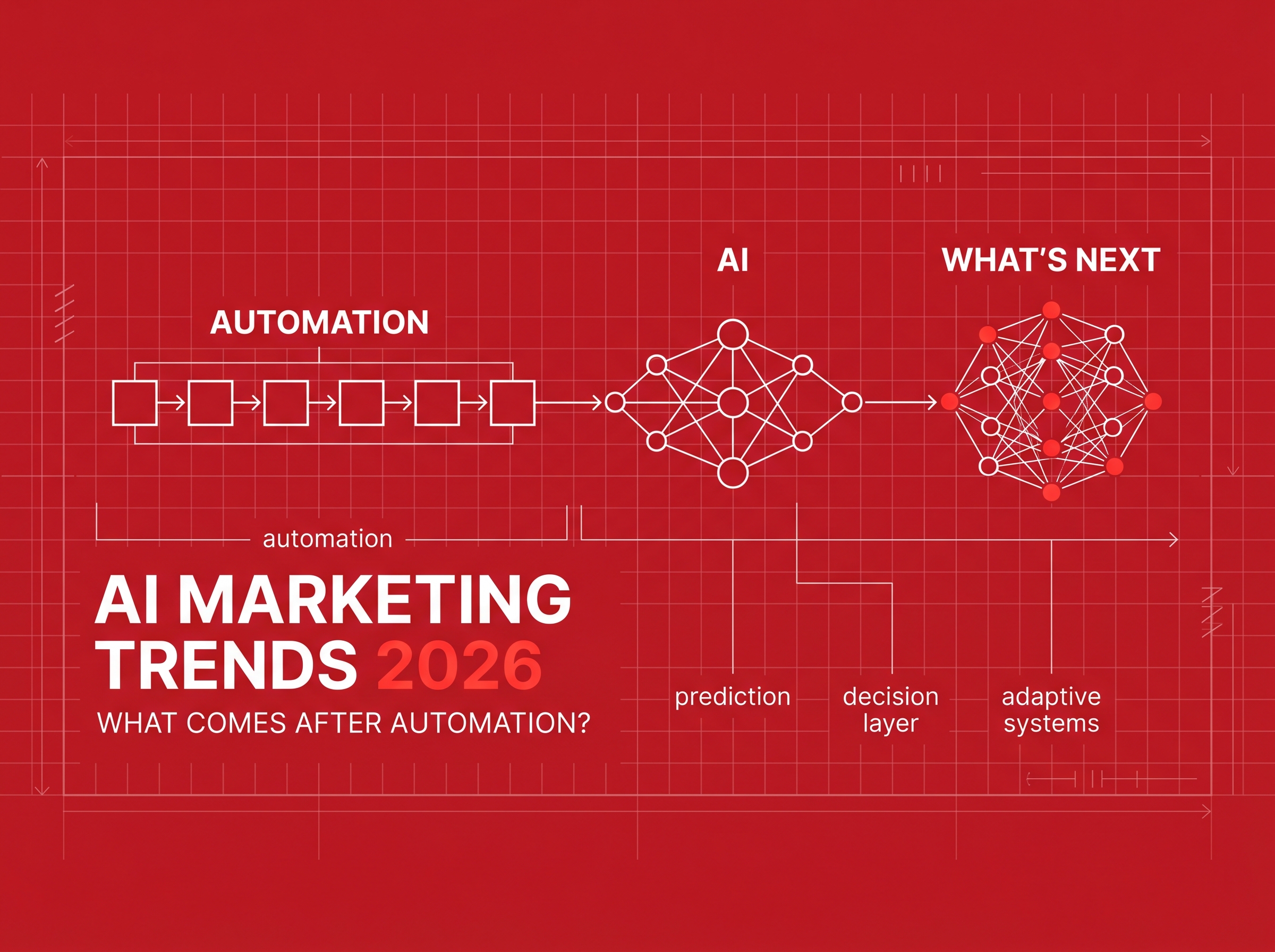
AI Marketing Trends for 2026: What’s Next After Automation
By 2026, AI marketing will have evolved far beyond automation. The next era is defined by creative intelligence, emotional personalization, and predictive insight. AI no longer just saves time, it drives innovation, storytelling, and strategy.
Brands that learn to collaborate with AI rather than just deploy it will lead the next marketing revolution.
At ROCKPAPER RUNWAY, we help forward-thinking brands design AI-first marketing ecosystems combining automation, data, and creativity for real business impact.
1. Predictive Personalization Takes Center Stage
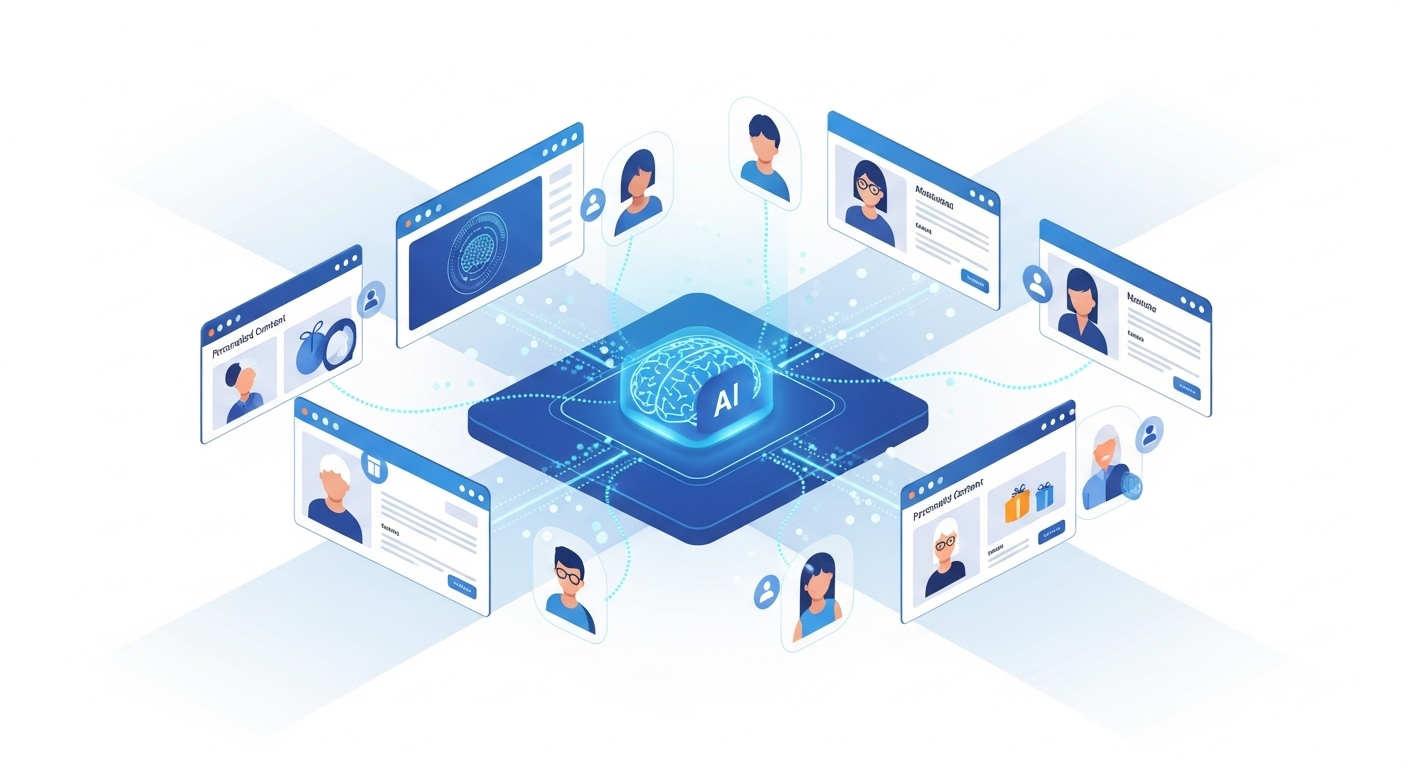
AI’s greatest power in 2026 lies in prediction. Machine learning models now analyze millions of micro-interactions to forecast customer intent before a user even clicks.
What’s changing:
- Predictive recommendation engines personalize offers in real time.
- AI-driven CRMs optimize outreach timing and message tone.
- Contextual personalization tailors entire web experiences dynamically.
Result: Higher engagement, lower ad waste, and seamless customer journeys.
2. Emotion-Aware AI Marketing Emerges
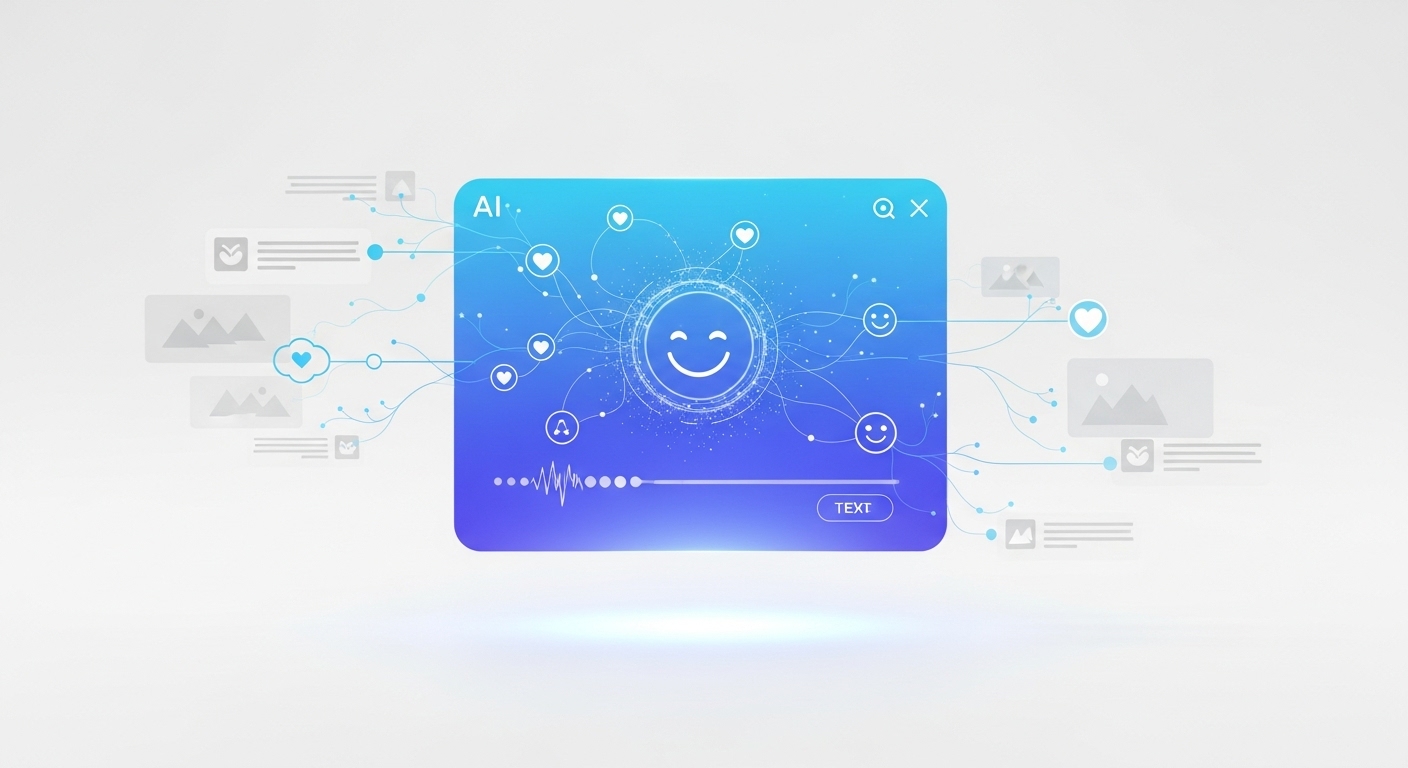
The future of AI marketing isn’t just data-driven, it’s emotion-driven. Using sentiment analysis and behavioral psychology, AI can detect emotional cues from text, voice, and visuals to personalize content that resonates.
Real-world examples:
- Video ads adjusting tone based on viewer mood.
- Chatbots adapting empathy levels during interactions.
- Creative AI tools writing emotionally aligned copy.
Why it matters: Emotional relevance drives brand loyalty and in 2026, emotional intelligence will become a competitive edge.
3. AI-Generated Creativity Becomes the Norm
By 2026, marketers won’t just use AI for automation; they’ll co-create with it. AI is becoming a creative partner brainstorming, storyboarding, and designing campaigns collaboratively.
Emerging trends:
- AI generating ad visuals and taglines based on brand voice.
- Creative platforms using multimodal AI (image + text + sound).
- Brand design systems that evolve automatically with performance data.
Key stat: 68% of CMOs plan to integrate generative AI into creative workflows by 2026 (Gartner, 2025).
4. AI-SEO and Content Optimization Go Real-Time
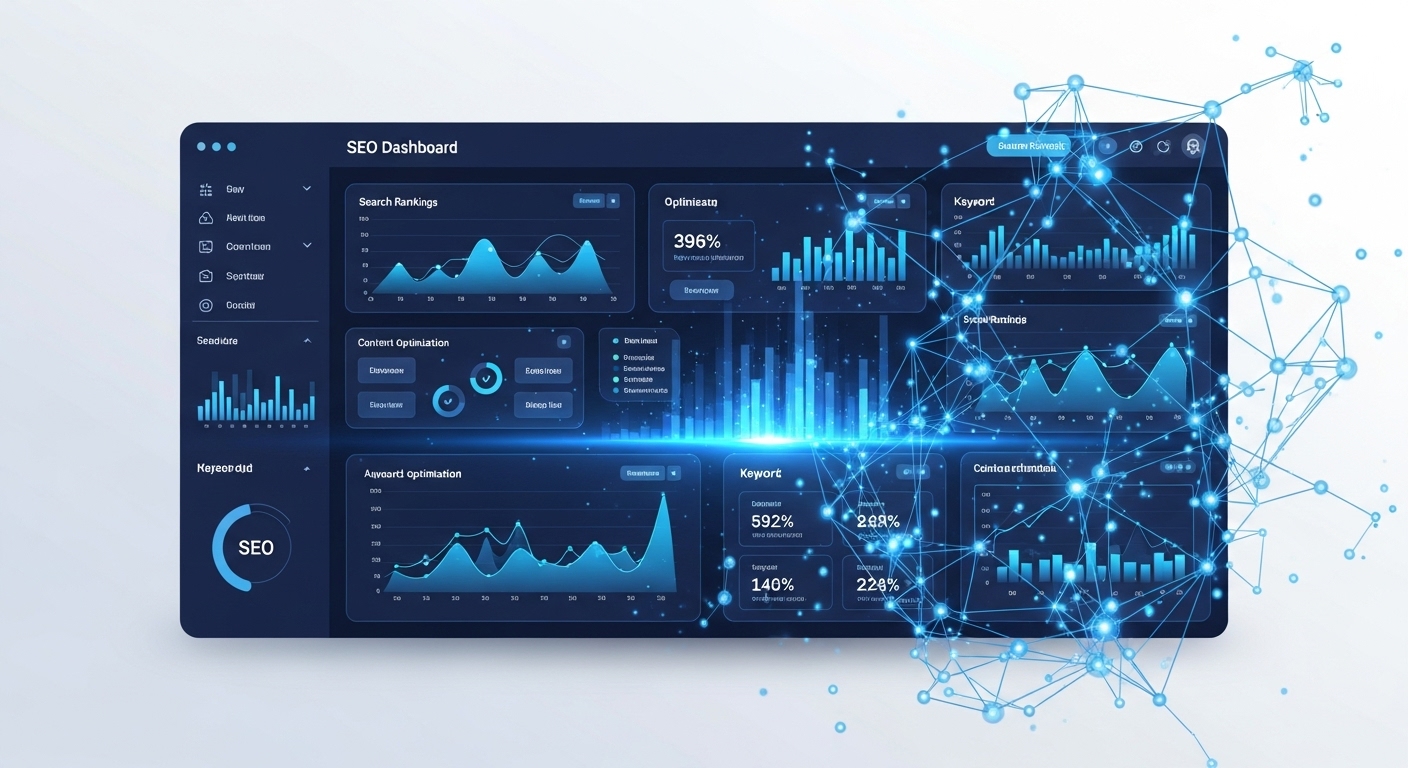
AI in 2026 will make SEO dynamic. Algorithms will auto-update content, keywords, and internal links based on live search intent data and user interactions.
What’s next:
- Real-time meta and snippet optimization.
- AI-driven A/B testing for headlines and structures.
- Content systems designed for AI Overviews and LLM discoverability.
Brands using AI-first SEO will dominate both Google and AI chat ecosystems.
5. Cross-Channel AI Integration Defines Growth
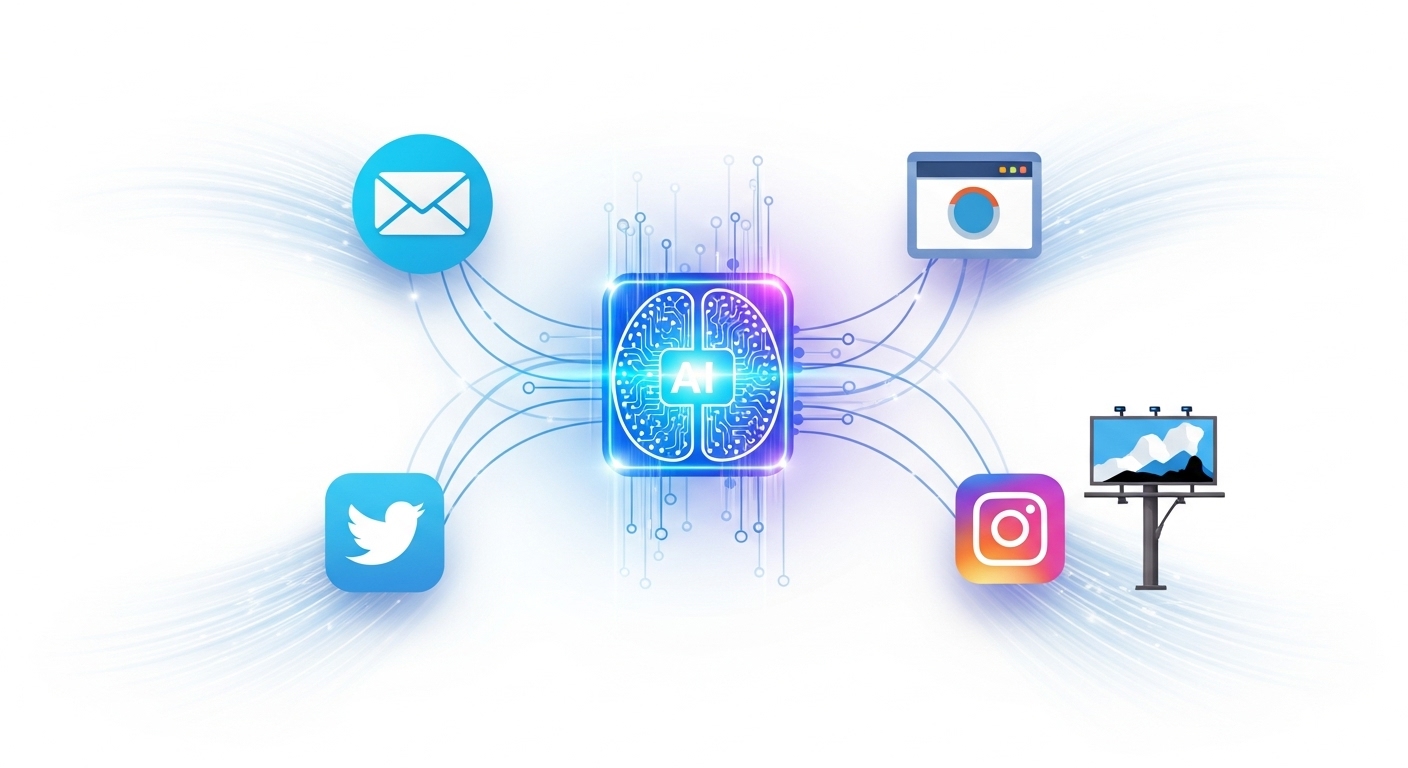
Marketers are finally moving beyond siloed automation. In 2026, AI orchestration platforms unify email, ads, web, and CRM under one adaptive brain.
Key shifts:
- Customer journeys auto-adjust across platforms.
- Cross-channel attribution becomes precise.
- Campaign data feeds AI to improve ROI prediction.
This marks the shift from campaign marketing to continuous, intelligent engagement.
6. Privacy-First AI Becomes a Core Strategy
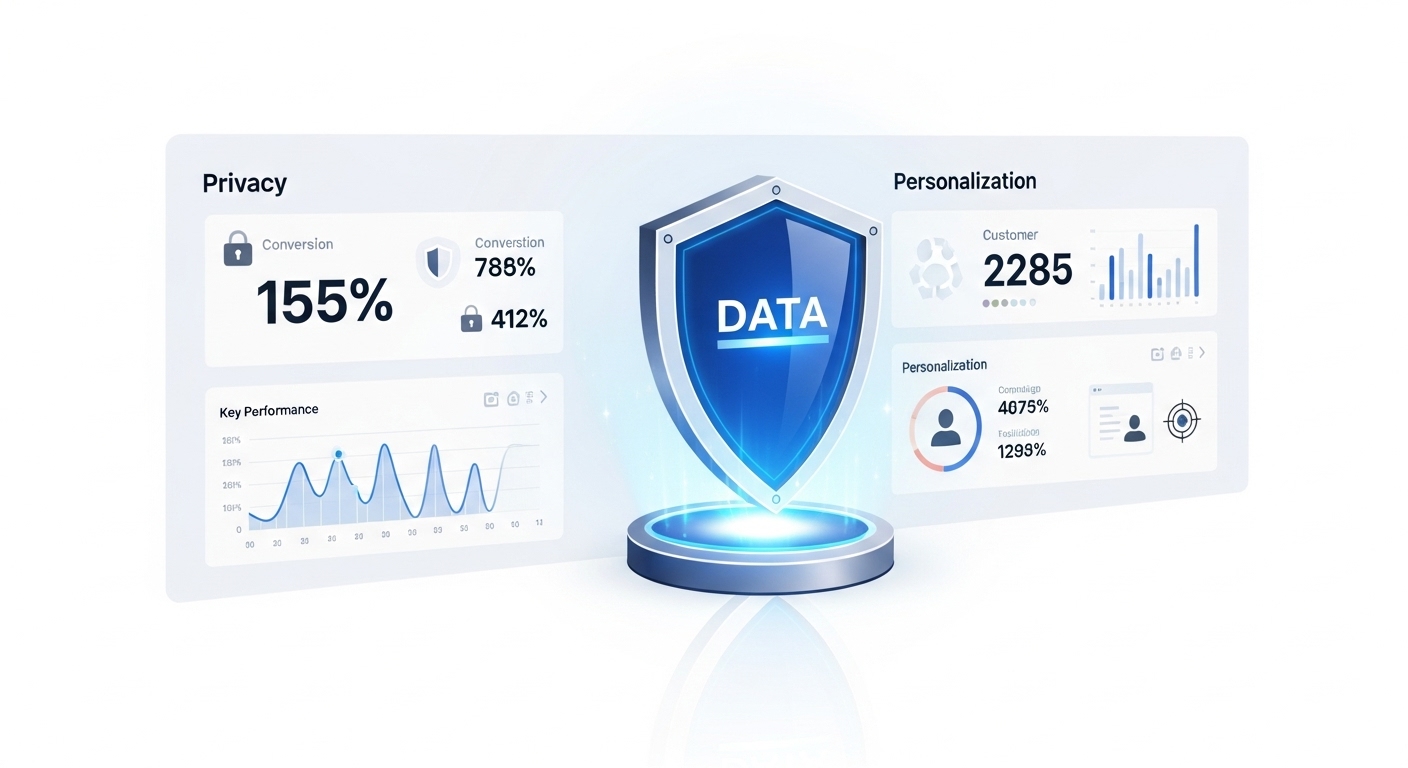
Consumers and regulators are demanding transparency. The winning AI marketing models of 2026 will balance personalization with privacy.
Future standards:
- Zero-party and first-party data foundations.
- Ethical AI audits to reduce bias.
- Clear “why you’re seeing this” transparency modules in ads.
Trust becomes currency — and ethical AI will separate trusted brands from opportunistic ones.
7. AI Marketing Assistants Replace Manual Campaign Management
AI copilots will manage full campaign lifecycles — from ideation to optimization. Marketers will shift from operators to strategists.
Example tasks handled by AI assistants:
- Writing, testing, and deploying campaigns.
- Managing ad spend dynamically.
- Generating creative variations based on live data.
This means faster go-to-market cycles and smarter use of creative talent.
8. Data Visualization and Insight Automation
AI-driven analytics dashboards in 2026 will narrate insights not just show charts. Natural Language Processing (NLP) tools will summarize performance, identify anomalies, and recommend next steps.
Example: “Your conversion rate rose 18% this week due to improved audience overlap — would you like to expand this segment?”
This evolution allows marketers to focus on decision-making, not just data reading.
9. The Rise of AI-Powered Brand Identities
Branding in 2026 will be more fluid than ever. AI will help brands maintain consistent tone and visual identity while evolving dynamically across touchpoints.
Applications:
- Dynamic logos adapting to context or emotion.
- Real-time audience tone calibration in content.
- Visual style systems that learn from user engagement.
AI brand guardians will ensure coherence, creativity, and contextual adaptation.
10. The End of One-Size-Fits-All Marketing
By 2026, marketing will no longer be static. AI will make every campaign personal, adaptive, and predictive in real time.
From: Scheduled campaigns → To: Continuous intelligence.
From: Guesswork → To: Predictive precision.
From: Human-only creativity → To: Human + AI synergy.
Key Takeaways
- ✓The marketers who win in 2026 won’t be those who automate — but those who elevate. AI is shifting from execution to imagination, from data to emotion, and from tools to teammates.
- ✓To stay competitive, brands must integrate AI into every layer from design and SEO to personalization and storytelling.
- ✓At ROCKPAPER RUNWAY, we help brands harness AI marketing for real growth—blending creative intelligence, data precision, and ethical innovation to future-proof performance.

Discussion
Be the first to start the conversation.
Leave a Comment