"Your 'Million Dollar Idea' is Worth Zero Dollars. (Until You Do This)
70% of apps are deleted within 3 days. Don't become a statistic. Read why most startups fail at the build phase and how we used WebGL to save a GIS client from burning their budget on features nobody wanted.
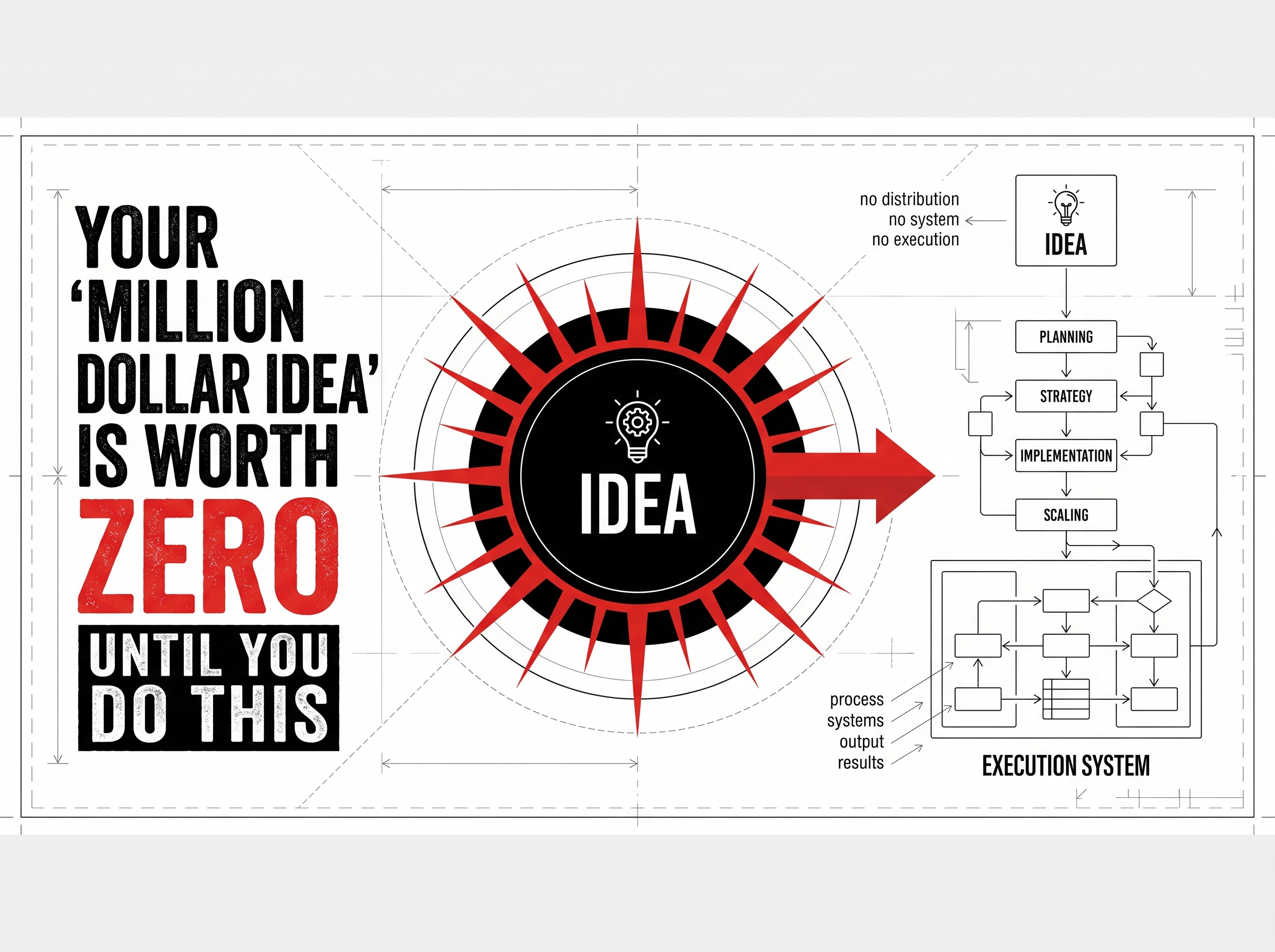
Your "Million Dollar Idea" is Worth Zero Dollars. (Until You Do This)
Thinking of Building an App? Read This Before You Burn $50,000.
We hear it every week: "I have a million-dollar app idea. I just need someone to code it."
The enthusiasm is great. But here is the cold, hard statistic that most agencies won't tell you because they want your money: 99.5% of consumer apps fail.
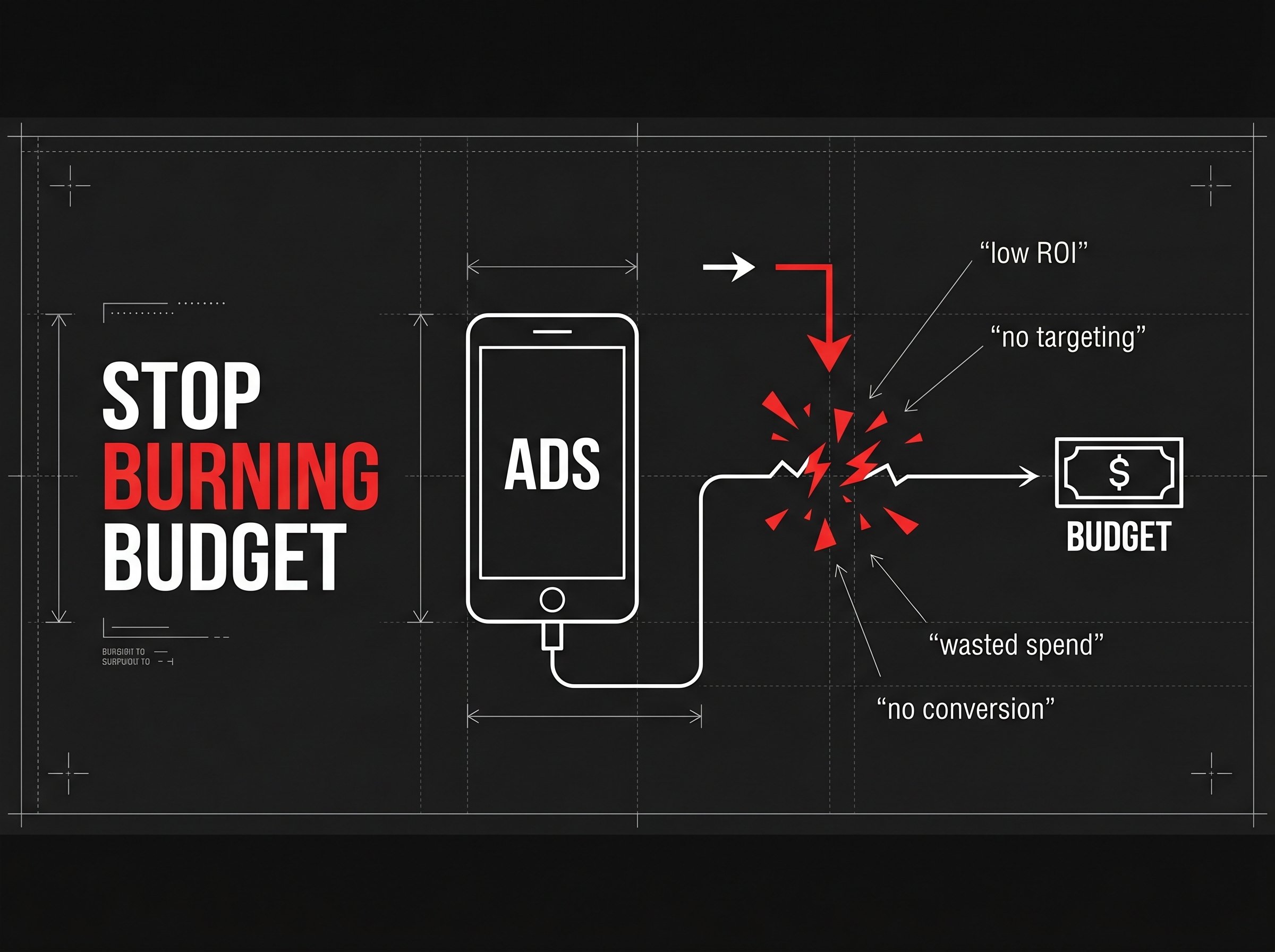
Most founders treat app development like a lottery ticket. They spend $50,000 or $100,000 building a massive, feature-rich application, launch it to the App Store, and wait for the millions to roll in. Instead, they get crickets.
If you rush into MVP app development without a strategy, you aren't building a business. You are building a "Zombie App"—code that sits on a server, eating your cash, used by absolutely no one.
Agency Case Study: The GIS "Earth Visualization"
We recently saved a GIS (Geographic Information System) Client from falling into this trap.
The "Bloated" Vision: The client came to us with a massive goal: They wanted to build a fully immersive VR Application to visualize complex climate and trade data on an "Interactive 3D Earth." They were ready to spend their entire budget building a heavy, native software engine that required powerful gaming PCs to run.
The MVP Pivot (The WebGL Solution): We challenged them. instead of building a heavy proprietary engine, we proposed a lightweight WebGL Architecture.
- We didn't need to build a new game engine; we used standard web technologies to render high-fidelity 3D graphics directly in the browser.
- This allowed users to access the "Interactive Earth" from any laptop, without installing a 5GB file.
The Result: By choosing the right MVP stack (WebGL), we launched a stunning, high-performance visualization tool in half the time. The client got their "Wow Factor" without burning their runway on unnecessary infrastructure.
The MVP Strategy: Think Big, Build Small
The secret to winning is the MVP (Minimum Viable Product). An MVP is not a "half-finished" app. It is the simplest version of your app that solves the core problem.
- Uber's MVP: You could hail a car. No fare splitting, no scheduled rides, no UberEats. Just a button to get a ride.
- Your MVP: What is the one thing your user will pay for? Build that. Ignore everything else.
When you hire a mobile app developer from our team, our first job is to cut your feature list in half. We save you money by telling you what not to build.
Cross-Platform vs. Native: How to Cut Dev Costs in Half
In the old days (2015), you had to build two apps: One for iPhone (Swift) and one for Android (Kotlin). That meant two teams, two budgets, and double the maintenance. In 2026, that is usually a waste of money for startups.
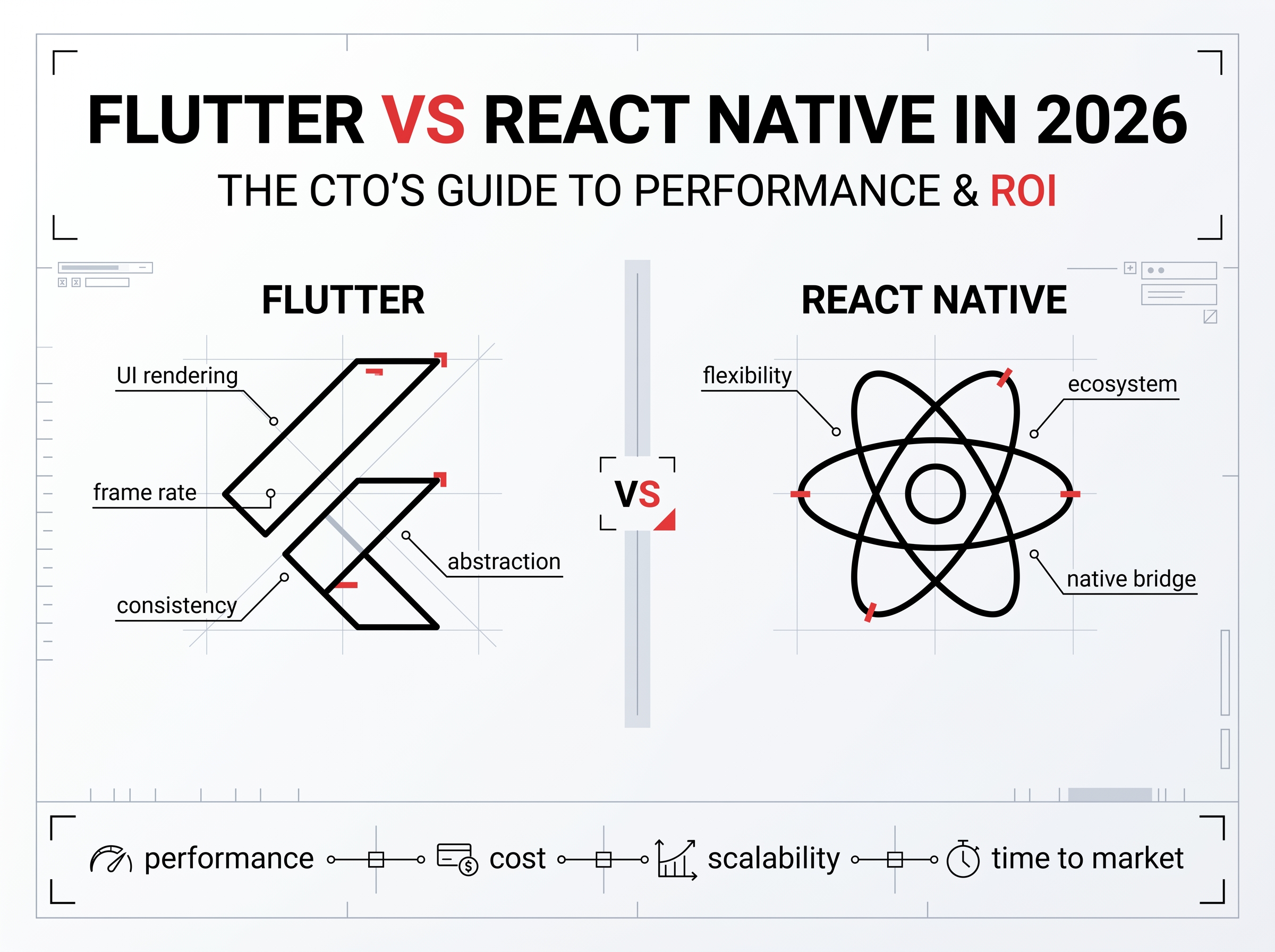
We specialize in Cross-Platform Development using frameworks like Flutter and React Native.
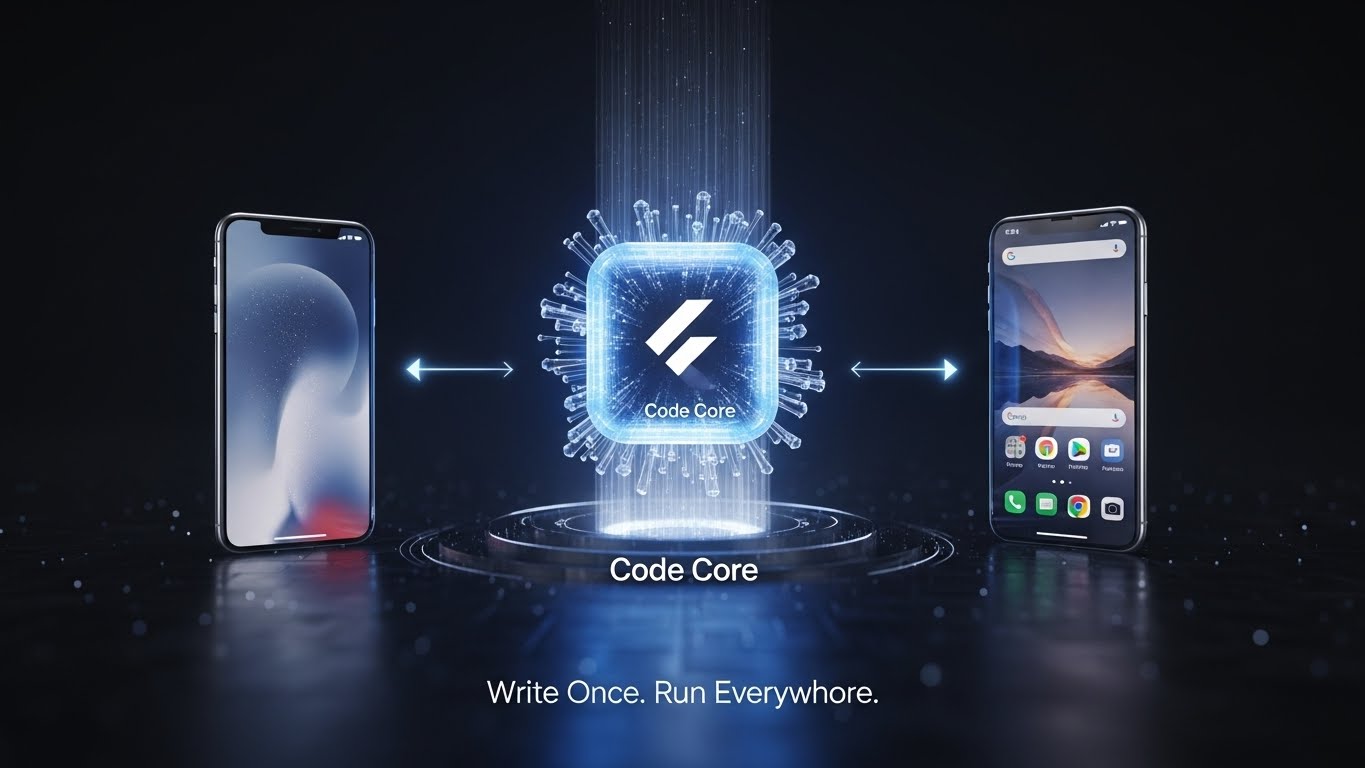
- One Codebase: We write the code once, and it runs beautifully on both iOS and Android.
- Native Performance: It feels exactly like a native app (smooth 120fps animations).
- Half the Cost: You save ~40% on development, leaving you more budget for marketing.
Don't Hire a Coder. Hire a Product Partner.
If you go to a freelance marketplace and hire a "cheap coder," they will do exactly what you tell them. If you tell them to build a bad feature, they will build a bad feature. They don't care if it sells; they just want the hourly rate.
You need a partner who pushes back. At ROCKPAPER RUNWAY, we act as your technical co-founders.
- We Challenge You: "Do users actually want this, or do you just think it's cool?"
- We Strategize: We map out the monetization model before we write a line of code.
- We Scale: We build scalable architecture (Headless/Cloud) that grows with you.
How RockPaperRunway Validates Your Vision
We have a 4-step process to prevent the "$50k Burn":
- Discovery & Strategy: We ruthlessly cut scope to define the leanest MVP.
- Design Prototyping: We build a clickable design first. You can test it with users before spending big money on code.
- Agile Development: We build in 2-week sprints, showing you progress constantly.
- Launch & Growth: We help you navigate the App Store approval and set up analytics to track user behavior.
Your idea deserves a chance to live.
Don't kill it with bad execution.
Ready to build an app that actually makes money?
Stop guessing. Contact RockPaperRunway for a free MVP consultation.
[Validate Your App Idea Now →]
Frequently Asked Questions (FAQ)
Q: How much does it cost to build a mobile app in 2026? A: A simple MVP can range from $15k–$30k. A complex, Uber-style app can range from $50k–$100k+. We provide fixed-price quotes based on a "Scope of Work" so there are no surprises.
Q: Should I build a Web App or a Mobile App first? A: It depends. If your users are on the go (Uber, Fitness), you need Mobile. If they are at a desk (SaaS, B2B), a Web App is cheaper and faster. As we did with our GIS client, sometimes a WebGL web app is the smarter choice.
Q: Do you sign an NDA (Non-Disclosure Agreement)? A: Yes. Your intellectual property is yours. We sign an NDA before we even hear your idea to ensure you are fully protected.
Key Takeaways
- ✓Idea ≠ Product: Your idea has zero value until it is validated by a paying user.
- ✓The MVP Rule: Don't build the Ferrari first. Build the Skateboard. Get to market fast with the Minimum Viable Product.
- ✓Smart Tech Stacks: Using technologies like WebGL or React Native allows you to launch faster and cheaper than traditional native development.
- ✓Marketing Matters: If you don't save budget for marketing (UA), your app is dead on arrival.
Discussion
Be the first to start the conversation.
Leave a Comment