
How to Use First-Party Data for Personalized Marketing
Learn how to use first-party data for personalized marketing in a cookieless 2025. Strategies, tools, and best practices for privacy-first personalization.
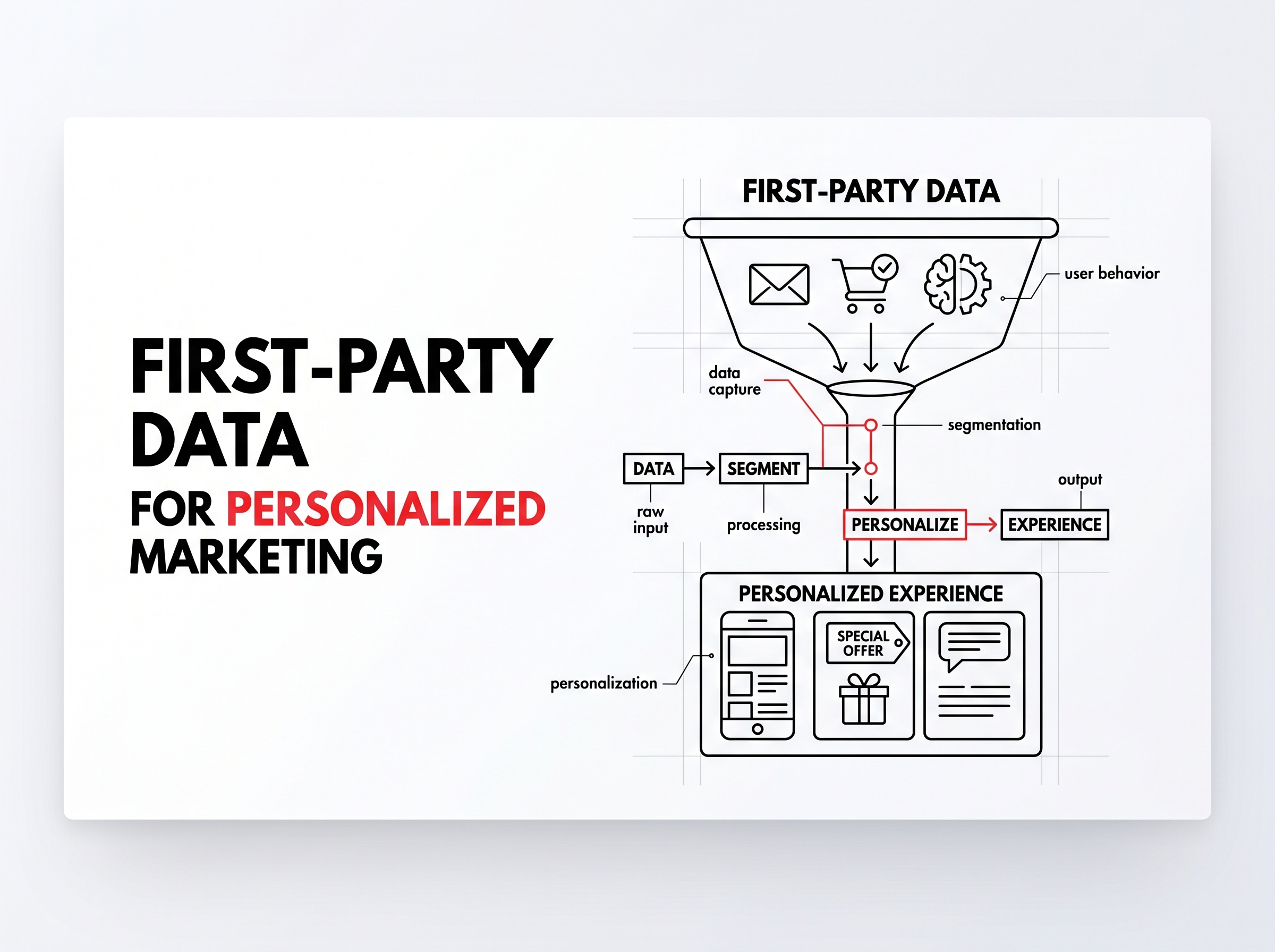
How to Use First-Party Data for Personalized Marketing in 2025
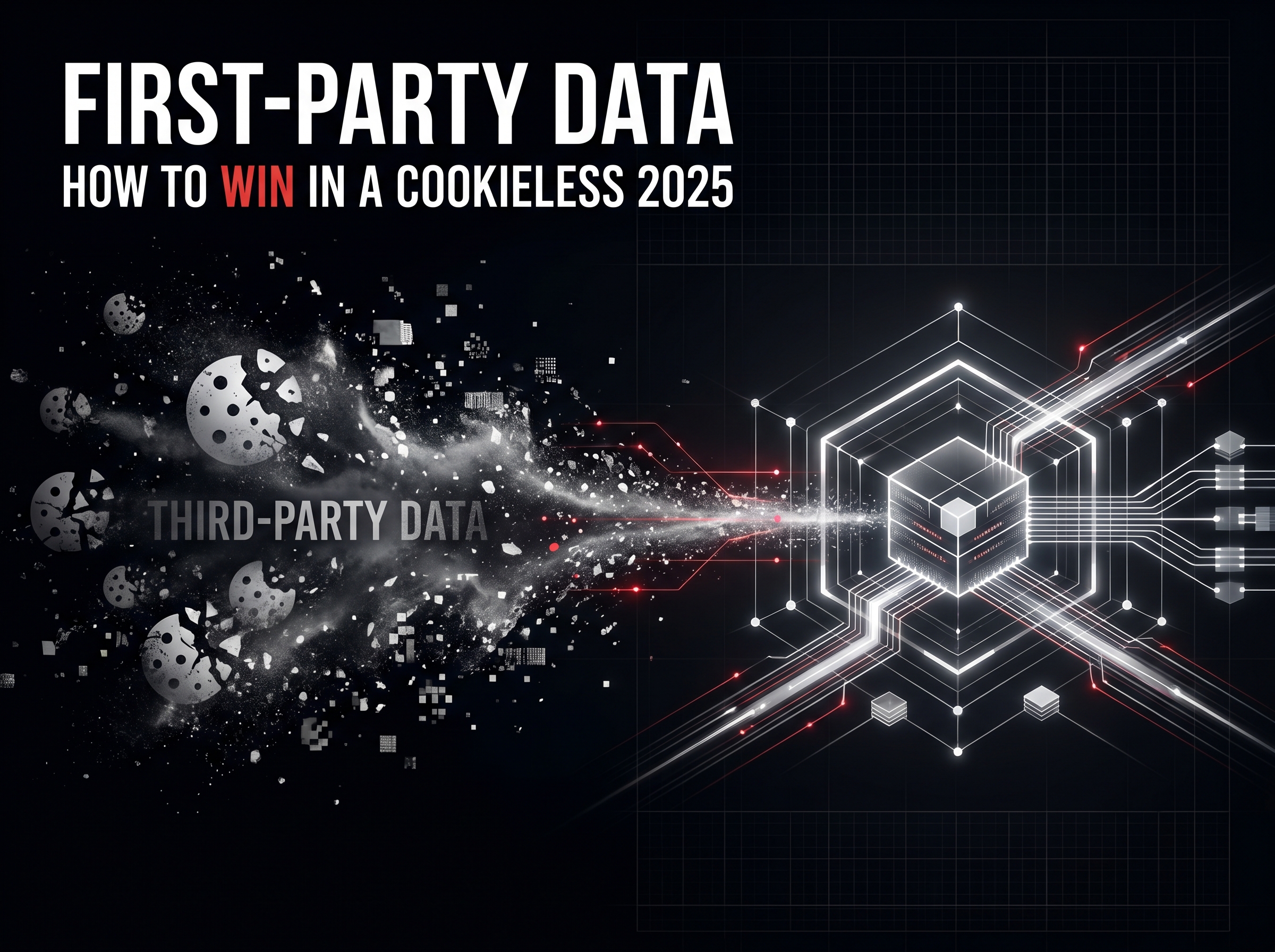
With third-party cookies disappearing and privacy regulations tightening, first-party data has become the lifeblood of modern marketing. In 2025, businesses that win are those that master collecting, managing, and activating first-party data to deliver personalized, privacy-first experiences. This guide will show you how to use first-party data effectively to drive personalization, improve customer loyalty, and future-proof your marketing strategy.
At ROCKPAPER RUNWAY, we help brands design first-party data strategies that balance personalization with compliance—building trust while driving performance.
What is First-Party Data?
First-party data is information a business collects directly from its audience. Examples include:
- Website behavior (page visits, clicks, time spent)
- Purchase history
- Email engagement
- Loyalty program activity
- Customer surveys and feedback
Why First-Party Data Matters in 2025
- End of Third-Party Cookies: Google is phasing them out in Chrome, following Safari and Firefox.
- Privacy Regulations: GDPR, CCPA, and new global laws prioritize consent-based data collection.
- Consumer Expectations: 83% of consumers expect personalized experiences (Salesforce, 2025).
- Competitive Advantage: Brands using first-party data effectively see 2.9x higher ROI (Forrester, 2025).
Step 1: Collect First-Party Data Responsibly
- Use opt-in forms with clear value exchange
- Build loyalty programs to incentivize sharing
- Capture behavioral data via analytics platforms
Pro Tip: Always make data collection transparent and value-driven.
Step 2: Organize Data with a Customer Data Platform (CDP)
A CDP unifies data into single customer profiles. Popular platforms include Segment, BlueConic, and Treasure Data.
- Eliminates data silos
- Enables cross-channel personalization
- Provides privacy controls
Step 3: Activate Data for Personalization
- Dynamic Content: Tailor landing pages, offers, and recommendations
- Email Marketing: Use past behavior for personalized campaigns
- Paid Ads: Leverage lookalike audiences from high-value customers
Related Reading: SEO for LLMs: How to Rank in Generative Search
Step 4: Balance Personalization with Privacy
Consumers want personalization, but not at the cost of privacy.
- Use consent management tools
- Offer data preference centers
- Apply AI responsibly to avoid “creepy” personalization
Step 5: Measure and Optimize
Track:
- Conversion lift from personalization
- Customer lifetime value (LTV)
- Engagement metrics (CTR, open rates, dwell time)
Use AI analytics to continuously optimize campaigns.
Case Studies
- Starbucks: Uses first-party data from loyalty programs to drive personalized offers.
- Nike: Leverages app and purchase data for hyper-targeted product drops.
- Amazon: Personalizes recommendations using behavioral first-party data.
Quick Reference: Using First-Party Data in 2025
- Collect responsibly with opt-ins & loyalty programs
- Use CDPs to unify data
- Activate with personalization engines
- Balance personalization + privacy
- Measure impact with ROI-focused metrics
FAQ
Q: Why is first-party data better than third-party data?
A: It’s more accurate, privacy-compliant, and builds customer trust.
Q: Do small businesses need a CDP?
A: Not always. Smaller businesses can start with CRM platforms like HubSpot or Mailchimp.
Q: Can AI enhance first-party data usage?
A: Yes—AI helps scale personalization, automate segmentation, and predict customer behavior.
Key Takeaways
- ✓First-party data is the future of personalized marketing. In a cookieless world, businesses that master collecting, organizing, and activating this data will build stronger customer relationships and achieve higher ROI.
- ✓At ROCKPAPER RUNWAY, we help businesses harness first-party data to create compliant, personalized, and performance-driven marketing strategies.

Discussion
Be the first to start the conversation.
Leave a Comment