
LLM-Powered Agents, The Next Frontier of Automation
Discover how LLM-powered agents like AutoGPT and LangChain are transforming automation. Learn use cases, challenges, and the future of autonomous AI in 2025.
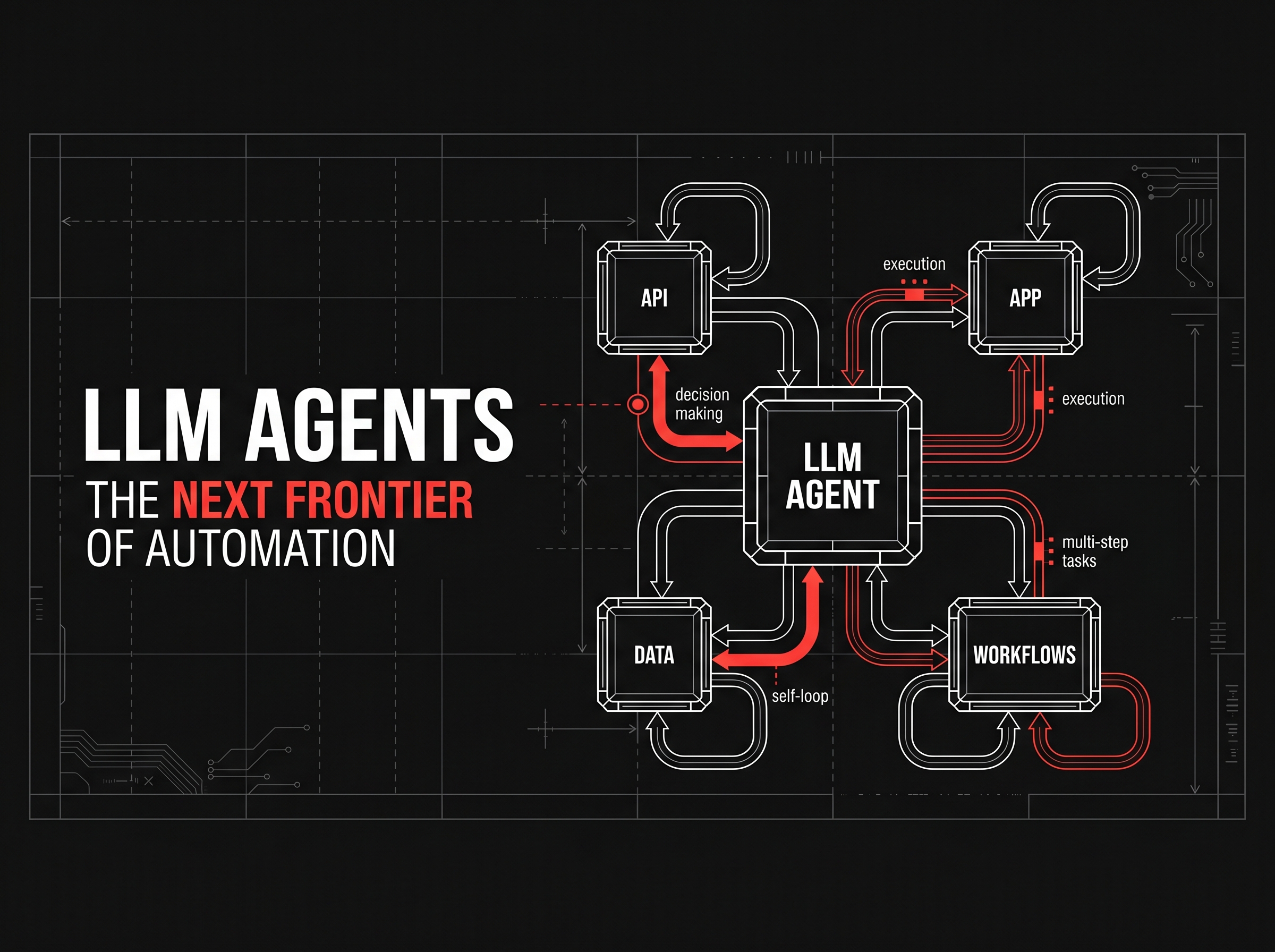
LLM-Powered Agents: The Next Frontier of Automation
For years, chatbots answered simple questions. But in 2025, we’re entering a new era: LLM-powered agents. Unlike traditional bots, these agents can plan, reason, and act across multiple steps—integrating with APIs, tools, and workflows. Think of them as digital co-workers who don’t just answer but execute. From AutoGPT to LangChain to emerging copilots, these agents are redefining what automation looks like.
What Are LLM-Powered Agents?
LLM-powered agents are systems built on large language models (LLMs) like GPT-4, Claude, or Gemini, with the ability to:
- Break down complex tasks into smaller steps
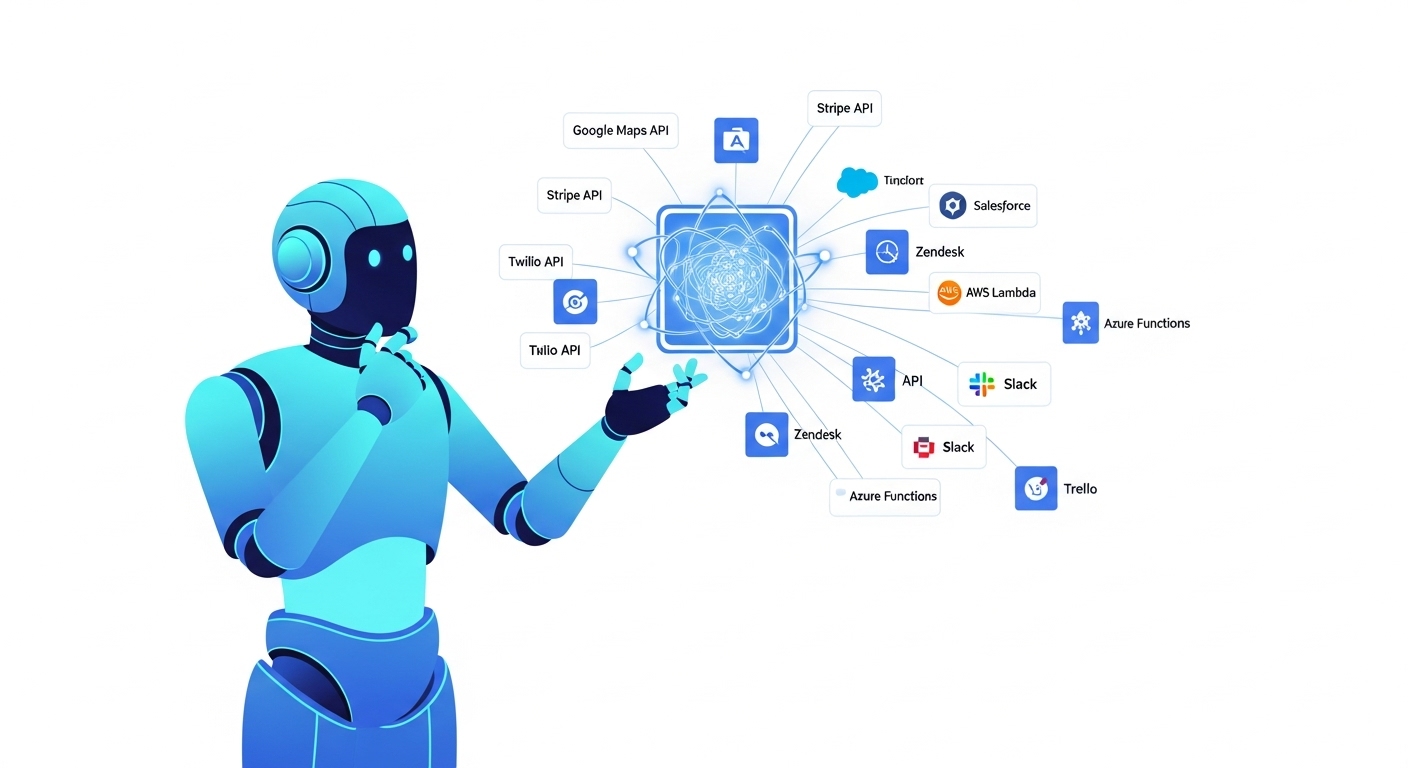
- Access external APIs, tools, and databases
- Learn from feedback loops
- Execute tasks autonomously with minimal supervision
Examples:
- AutoGPT: Early open-source project showing agents that chain reasoning and actions.
- LangChain: Framework for building LLM-powered applications with tool integration.
- Devin (AI Engineer): Specialized coding agent that plans, writes, and tests software autonomously.
Why They Matter Now
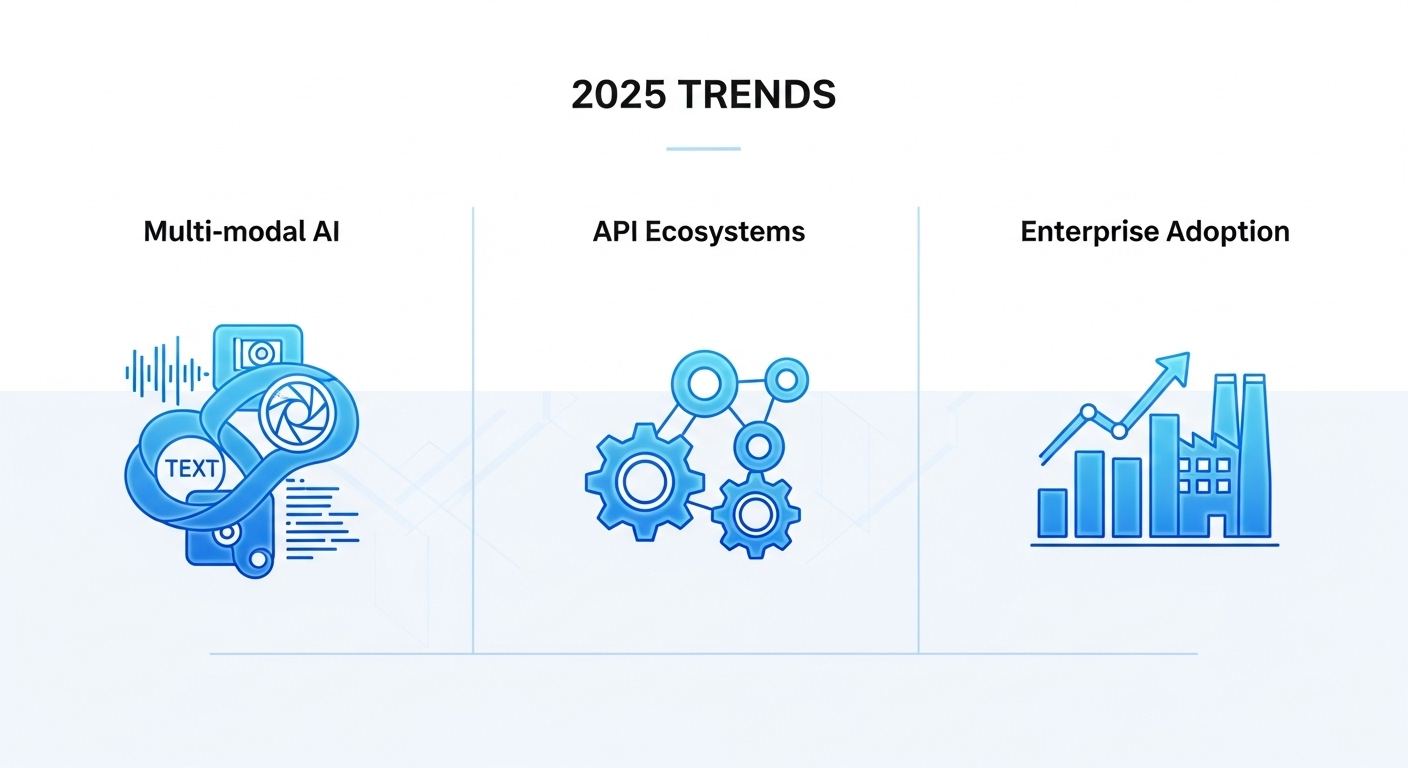
Several trends converge in 2025 to make LLM agents viable:
- Multi-Modal AI: Agents can handle text, images, voice, and code in one workflow.
- API Ecosystems: Rich integrations let agents interact with CRMs, cloud platforms, and marketing stacks.
- Falling Compute Costs: Cloud providers are optimizing GPU resources for AI at scale.
- Enterprise Adoption: 68% of enterprises are piloting AI agents in at least one department (Gartner, 2025).
Use Cases for LLM Agents
- Customer Support: Agents resolve queries, escalate when needed, and learn from past cases.
- Marketing Automation: AI agents create, test, and optimize campaigns in real-time.
- Research Assistants: Summarize documents, run competitor analysis, and generate reports.
- DevOps & Engineering: Deploy updates, monitor systems, and debug issues autonomously.
- Personal Productivity: From travel booking to inbox management, agents act as digital assistants.
Challenges & Limitations
- Hallucinations: Agents may invent facts without proper guardrails.
- Reliability: Multi-step tasks can break without human oversight.
- Cost: Continuous agent activity can drive high compute bills.
- Governance: Security, compliance, and ethical frameworks are still evolving.
The Future of Autonomous Agents
By 2030, LLM agents won’t just be task executors—they’ll be collaborators. Enterprises will deploy fleets of agents working alongside human teams:
- AI as a co-worker, not just a tool
- Hybrid Workflows: Human oversight for strategy, AI for execution
- AI Workforce: Specialized agents for marketing, sales, HR, and engineering
Key Insight: Agents won’t replace humans, they’ll augment them, automating the repetitive so humans can focus on creativity and strategy.
Pro Tip
💡 At ROCKPAPER RUNWAY, we help enterprises explore and implement LLM-powered agents—designing automation strategies that balance innovation, governance, and measurable ROI.
Quick Reference: LLM Agents in 2025
- Agents plan, reason, and act—not just chat
- Powered by frameworks like LangChain & AutoGPT
- Key use cases: support, marketing, research, DevOps
- Challenges: hallucinations, cost, governance
- Future: hybrid AI-human collaboration
FAQ
Q: How are LLM agents different from chatbots?
A: Chatbots answer questions; LLM agents plan and execute tasks autonomously.
Q: What industries benefit most from LLM agents?
A: SaaS, eCommerce, finance, customer support, and DevOps are early adopters.
Q: Will LLM agents replace jobs?
A: They’ll automate repetitive tasks but work best in hybrid models with human oversight.
Key Takeaways
- ✓LLM-powered agents are the next frontier of automation—bridging reasoning, execution, and integration. The future isn’t AI replacing humans, but AI collaborating with them.
- ✓At ROCKPAPER RUNWAY, we architect automation strategies that leverage LLM agents responsibly—helping brands scale efficiency without losing human creativity.



Discussion
Be the first to start the conversation.
Leave a Comment