
The Future of APIs in an AI-Driven Internet
Explore how APIs are evolving in the AI-driven internet. Learn key trends, challenges, and strategies to future-proof your API ecosystem in 2025.

The Future of APIs in an AI-Driven Internet
APIs have always been the connective tissue of the internet—but in 2025, they are the lifeblood of AI-driven systems. From powering LLM integrations to enabling AI agents, APIs are no longer just technical endpoints; they are the foundation of composable, intelligent digital ecosystems. As businesses adapt to an AI-first world, understanding the future of APIs is essential for CTOs, developers, and product leaders.
What APIs Mean in the AI Era
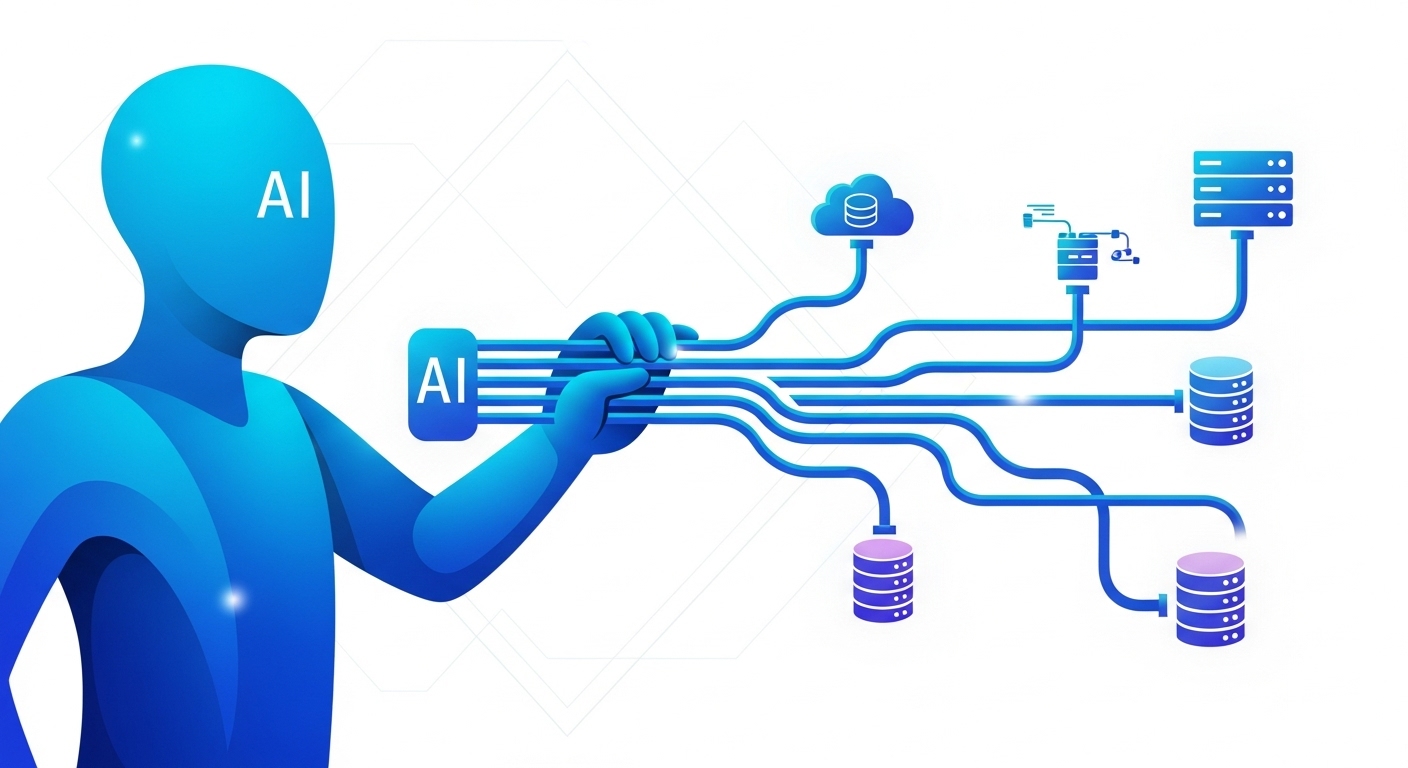
Traditional APIs exposed functionality and data. In the AI era, they:
- Connect LLMs with real-time data sources
- Enable multi-model orchestration (e.g., OpenAI + Anthropic APIs)
- Deliver context to AI agents for decision-making
- Act as bridges between enterprise systems and generative tools
Key Stat: According to Postman’s 2024 State of the API report, 89% of developers say APIs are critical to AI adoption.

Why APIs Matter More in 2025
- AI Agents Need APIs: Agents like AutoGPT or LangChain depend on APIs to perform real-world tasks.
- Composable Architectures: Enterprises are moving from monoliths to API-first ecosystems.
- Data as a Service: APIs are the pipes through which proprietary datasets fuel AI models.
- New Monetization Models: Companies are monetizing APIs as products in themselves.
Key Trends Shaping the Future of APIs
- AI-Native APIs: OpenAI, Anthropic, and Hugging Face APIs are defining standards for ML integration.
- GraphQL & gRPC Rising: Developers are moving beyond REST for more efficient, real-time data delivery.
- API Observability: Monitoring, governance, and performance tuning become business-critical.
- Security & Compliance: With APIs exposing sensitive data, API security is a top concern.
Key Stat: Gartner predicts that by 2026, 50% of enterprises will treat APIs as products, not just integrations.
Strategic Challenges
- API Sprawl: Too many unmanaged APIs can cause fragmentation.
- Latency & Cost: LLM-powered API calls are expensive and must be optimized.
- Security Risks: AI systems increase the attack surface of APIs.
- Standardization: Lack of universal best practices for AI-driven API design.
How to Future-Proof Your API Strategy
- Adopt an API-First Mindset: Treat APIs as core products, not side integrations.
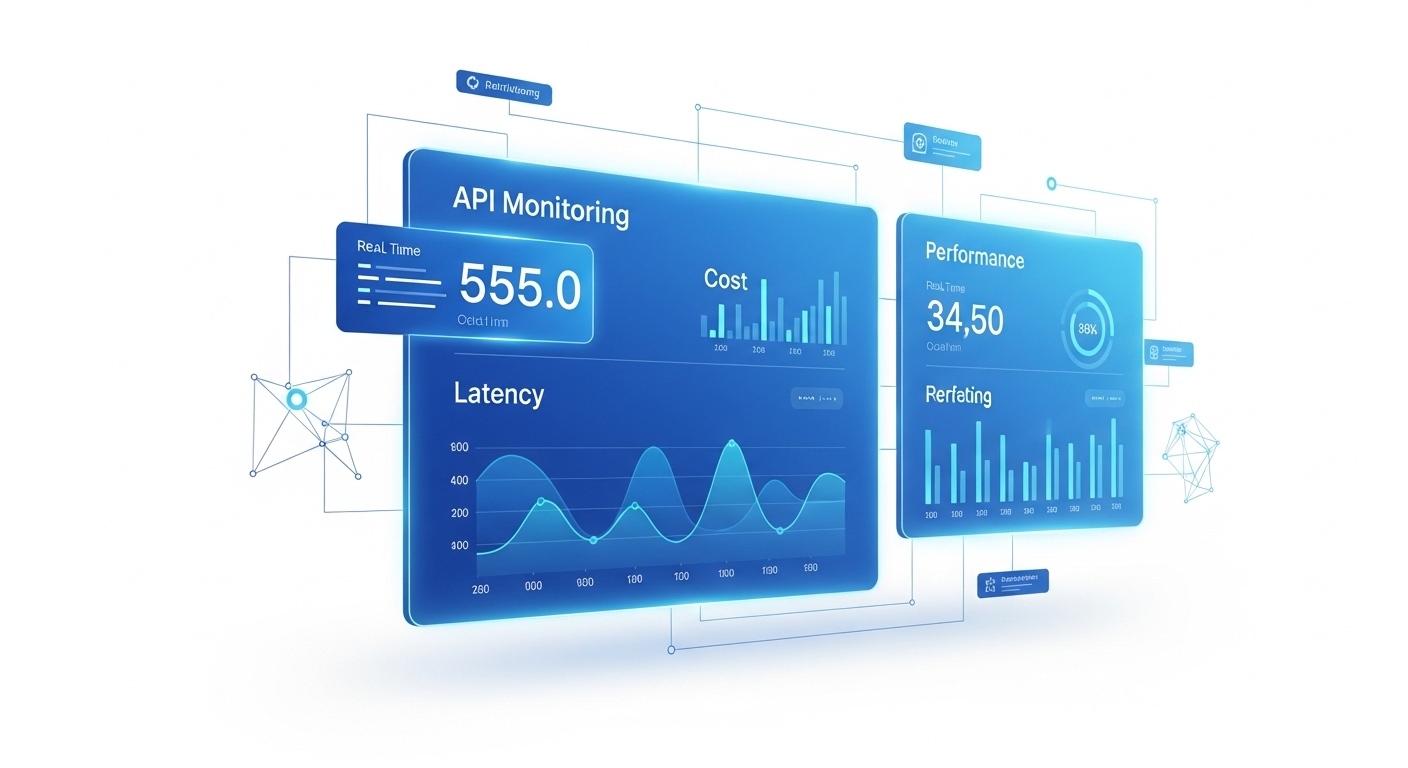
- Focus on Observability: Implement monitoring for usage, cost, and performance.
- Balance REST, GraphQL, and gRPC: Choose based on scalability and efficiency needs.
- Integrate AI Governance: Build policies for security, compliance, and ethical data use.
Pro Tip (Brand CTA)
💡 At ROCKPAPER RUNWAY, we help engineering teams design API ecosystems built for the AI era—balancing scalability, security, and innovation. From architecture to implementation, we future-proof your systems for an AI-driven internet.
Quick Reference: Future of APIs
- APIs are the lifeblood of AI-driven systems
- 89% of developers see APIs as critical for AI adoption
- AI-native APIs (OpenAI, Anthropic, Hugging Face) are shaping new standards
- By 2026, 50% of enterprises will treat APIs as products
- Key risks: sprawl, cost, latency, and security
FAQ
Q: Why are APIs critical for AI?
A: APIs connect LLMs and AI agents to real-world data and systems, enabling them to act beyond static models.
Q: Which API standards are best for AI?
A: REST remains dominant, but GraphQL and gRPC are rising for efficiency and real-time use cases.
Q: How can companies monetize APIs?
A: By treating APIs as products, companies can create revenue streams from data and functionality access.
Key Takeaways
- ✓APIs are no longer just connectors—they are products, ecosystems, and the foundation of the AI-driven internet. The companies that win will build scalable, secure, and AI-ready API strategies.
- ✓💡 At ROCKPAPER RUNWAY, we architect API-first systems that enable brands to thrive in an AI-first world.



Discussion
Be the first to start the conversation.
Leave a Comment