
The Talent Gap in AI, How to Build Teams When Skills Are Scarce
Explore how to overcome the AI talent gap in 2025. Learn which roles are most in demand, why skills are scarce, and strategies to build future-ready AI teams.
The Talent Gap in AI: How to Build Teams When Skills Are Scarce
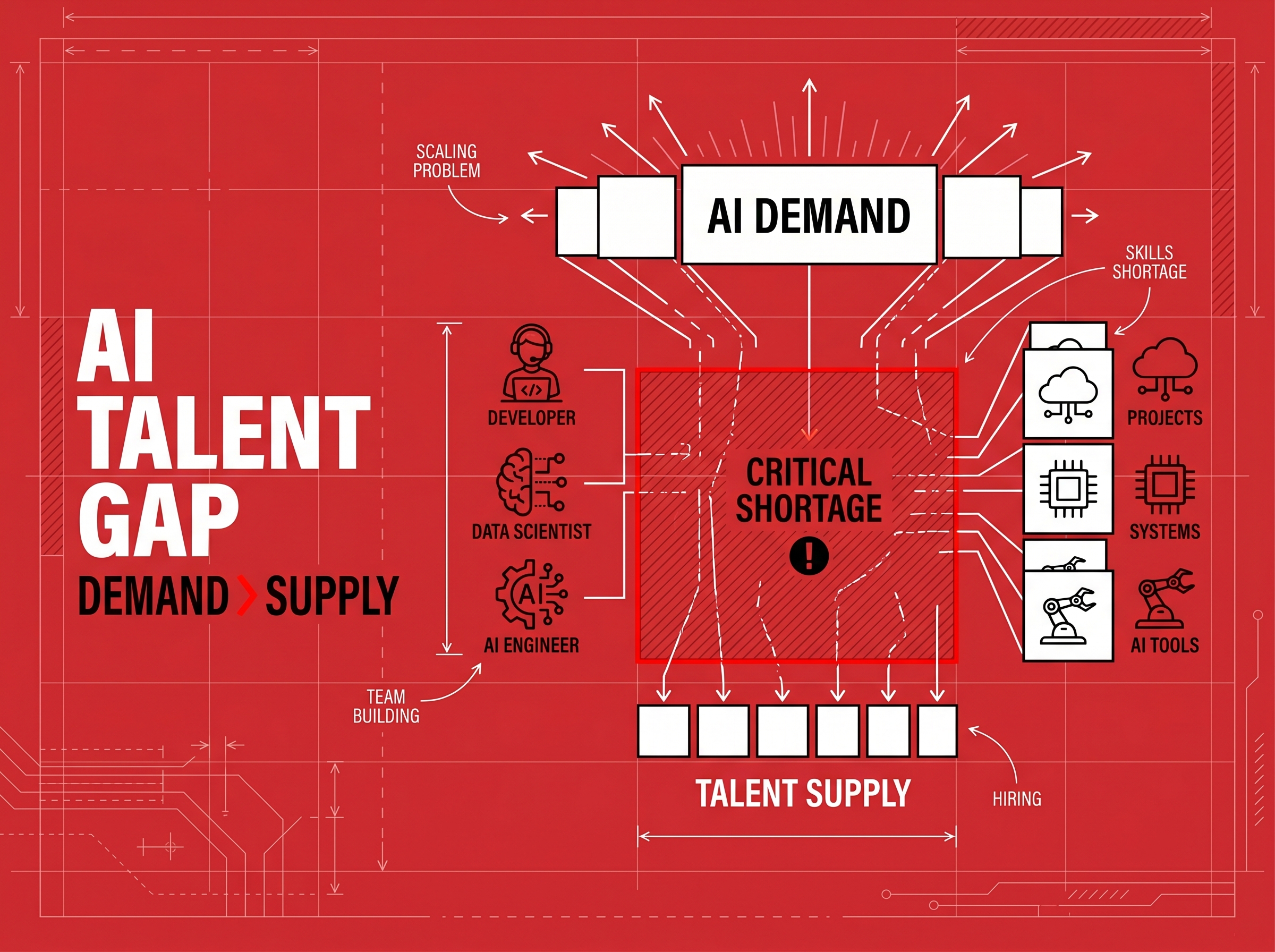
AI adoption is accelerating at record speed—but talent is struggling to keep pace. In 2025, enterprises face a major challenge: AI investment is outpacing the availability of skilled professionals. From data scientists to AI engineers to prompt specialists, demand is skyrocketing, salaries are rising, and competition for top talent is fierce. The question for CTOs, CMOs, and founders isn’t just how to hire—it’s how to build sustainable AI teams when skills are scarce.
The AI Talent Gap Explained
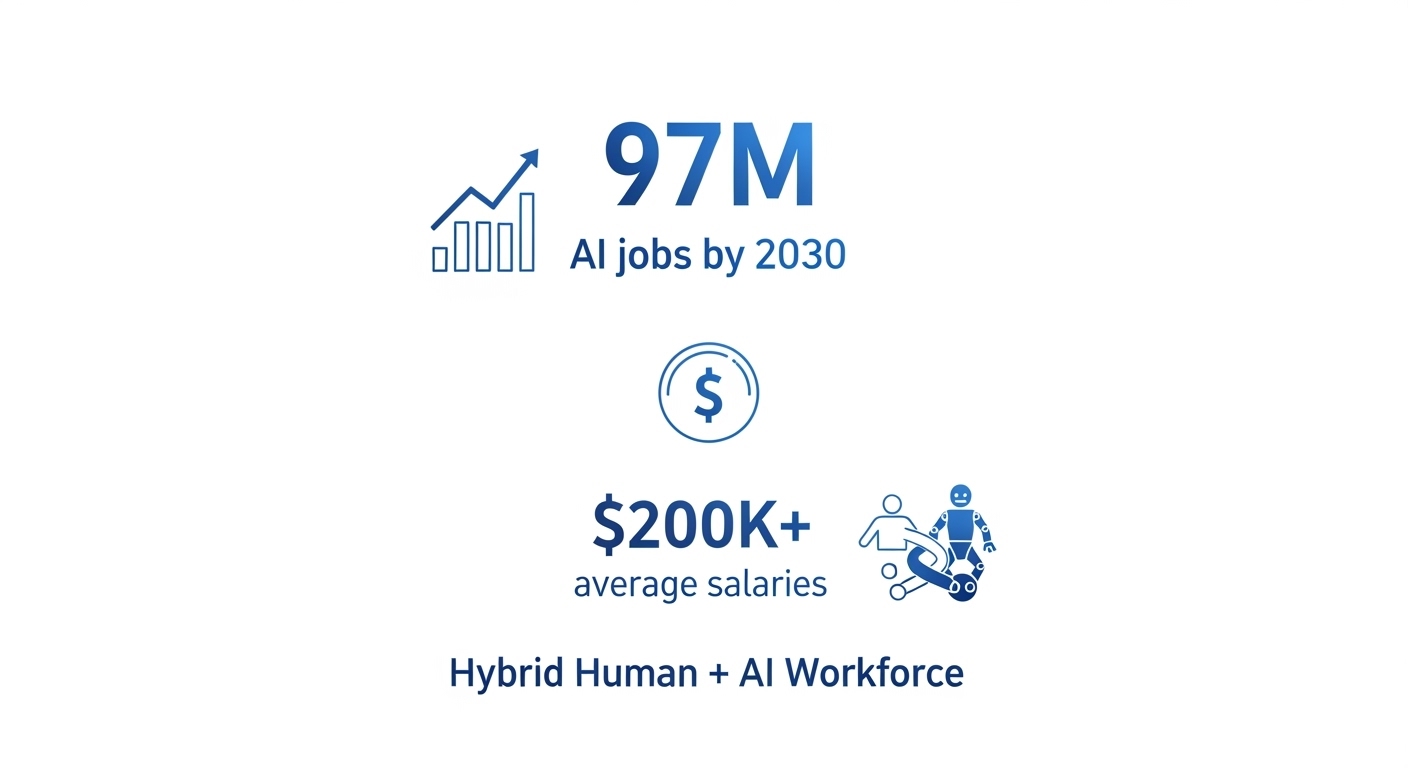
- High Demand, Low Supply: The World Economic Forum projects 97 million AI-related jobs by 2030, but universities and training programs can’t keep up.
- Rising Salaries: AI engineers command $200K+ packages at top tech firms.
- Specialized Skills: New roles like prompt engineers and AI ethicists are emerging faster than the talent pipeline can fill them.
Why the AI Talent Gap Matters
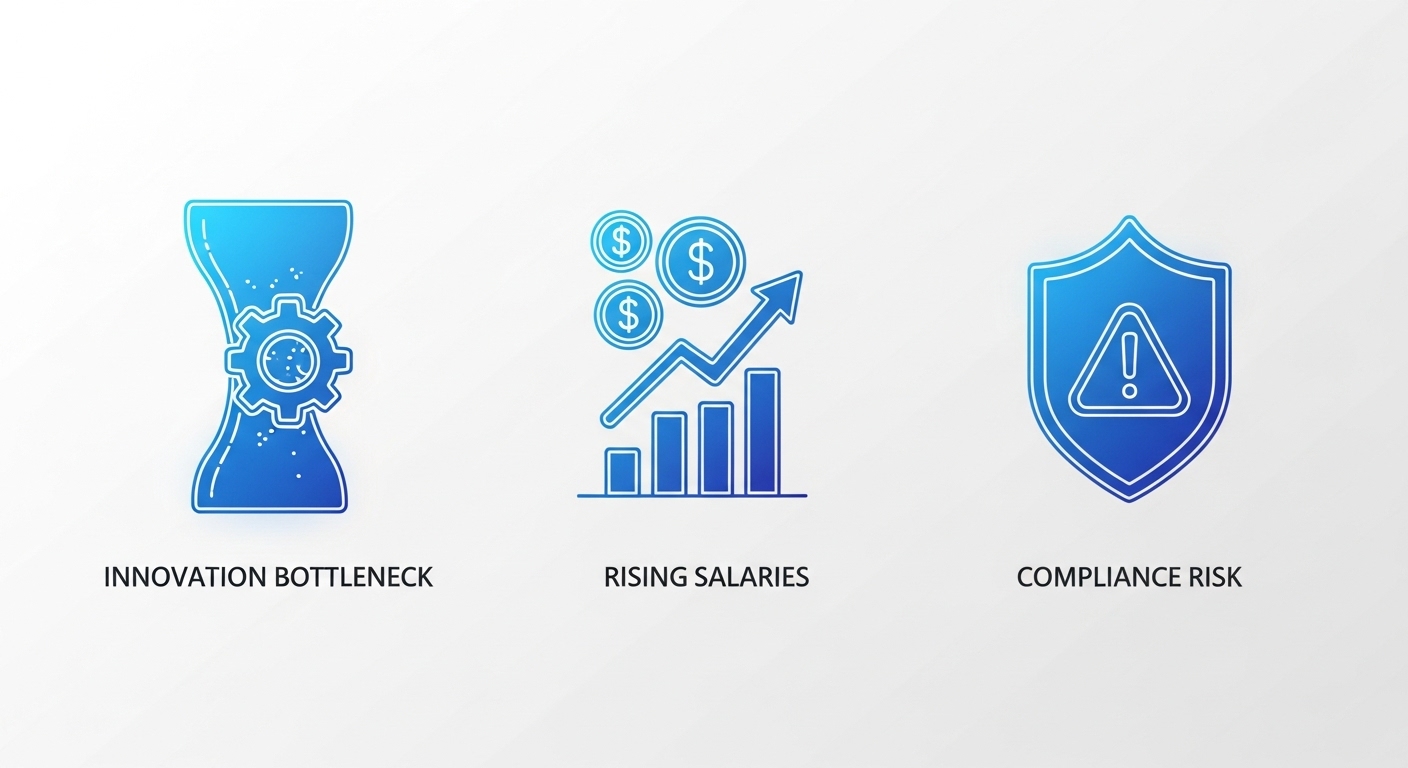
- Innovation Bottlenecks: Without talent, AI adoption stalls.
- Competitive Disadvantage: Companies that fail to attract AI talent risk falling behind peers.
- Cost Pressures: Rising salaries and talent wars increase the cost of innovation.
- Strategic Risk: AI without governance experts raises compliance and ethical challenges.
The Roles Most in Demand in 2025
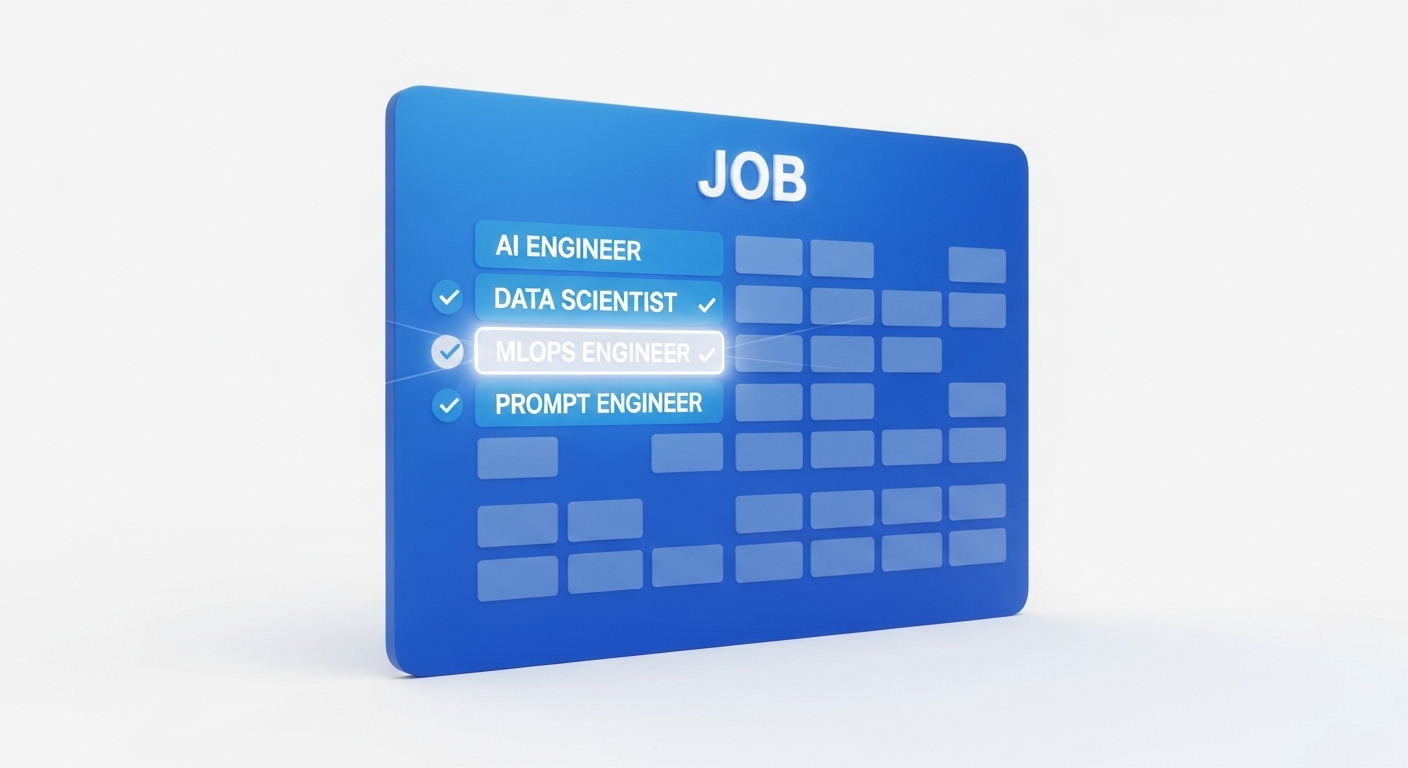
- AI Engineers: Building and fine-tuning models.
- Data Scientists: Turning raw data into insights.
- MLOps Specialists: Scaling AI in production environments.
- Prompt Engineers: Crafting effective instructions for LLMs.
- AI Ethics & Governance Officers: Ensuring compliance and fairness.
SEO Keywords: AI talent gap, AI hiring, building AI teams, AI jobs 2025.
Strategies to Overcome the Talent Gap
- Upskill Existing Teams: Invest in AI training programs for developers, marketers, and analysts.
- Global Hiring: Tap into international talent pools beyond Silicon Valley.
- AI-Augmented Workflows: Use AI copilots to boost productivity of smaller teams.
- Partnerships: Collaborate with agencies, startups, and universities for specialized expertise.
- Employer Branding: Strong brands attract top AI talent—culture and purpose matter.
The Future of AI Teams
AI won’t replace humans—it will reshape how teams are built. The workforce of 2030 will be hybrid, combining human expertise with AI copilots and autonomous agents. Companies that embrace this model will scale faster while keeping costs manageable.
Key Insight: The future isn’t just hiring more people—it’s designing systems where people and AI work together.
Pro Tip
💡 At ROCKPAPER RUNWAY, we help leaders close the AI talent gap designing hybrid team strategies that combine global hiring, upskilling, and AI augmentation to accelerate innovation.
Quick Reference: AI Talent Gap in 2025
- 97M AI-related jobs projected by 2030
- Roles: AI engineers, data scientists, MLOps, prompt engineers, AI ethicists
- Strategies: upskill, global hiring, AI copilots, partnerships, branding
- Future: human-AI hybrid teams
FAQ
Q: Which AI roles are hardest to fill in 2025?
A: AI engineers, MLOps specialists, and prompt engineers are among the most in-demand and hardest to hire.
Q: How can smaller companies compete for AI talent?
A: Focus on culture, remote flexibility, and leveraging AI tools to amplify smaller teams.
Q: Will AI itself help close the talent gap?
A: Yes—AI copilots can handle repetitive work, allowing scarce human talent to focus on strategy and innovation.

Discussion
Be the first to start the conversation.
Leave a Comment