
Mastering Glassmorphism in UI/UX: Trend, Technique & Practical Implementation
Learn what glassmorphism is, why it's resurging in 2025, and how to implement it effectively in modern UI/UX design for websites and apps.
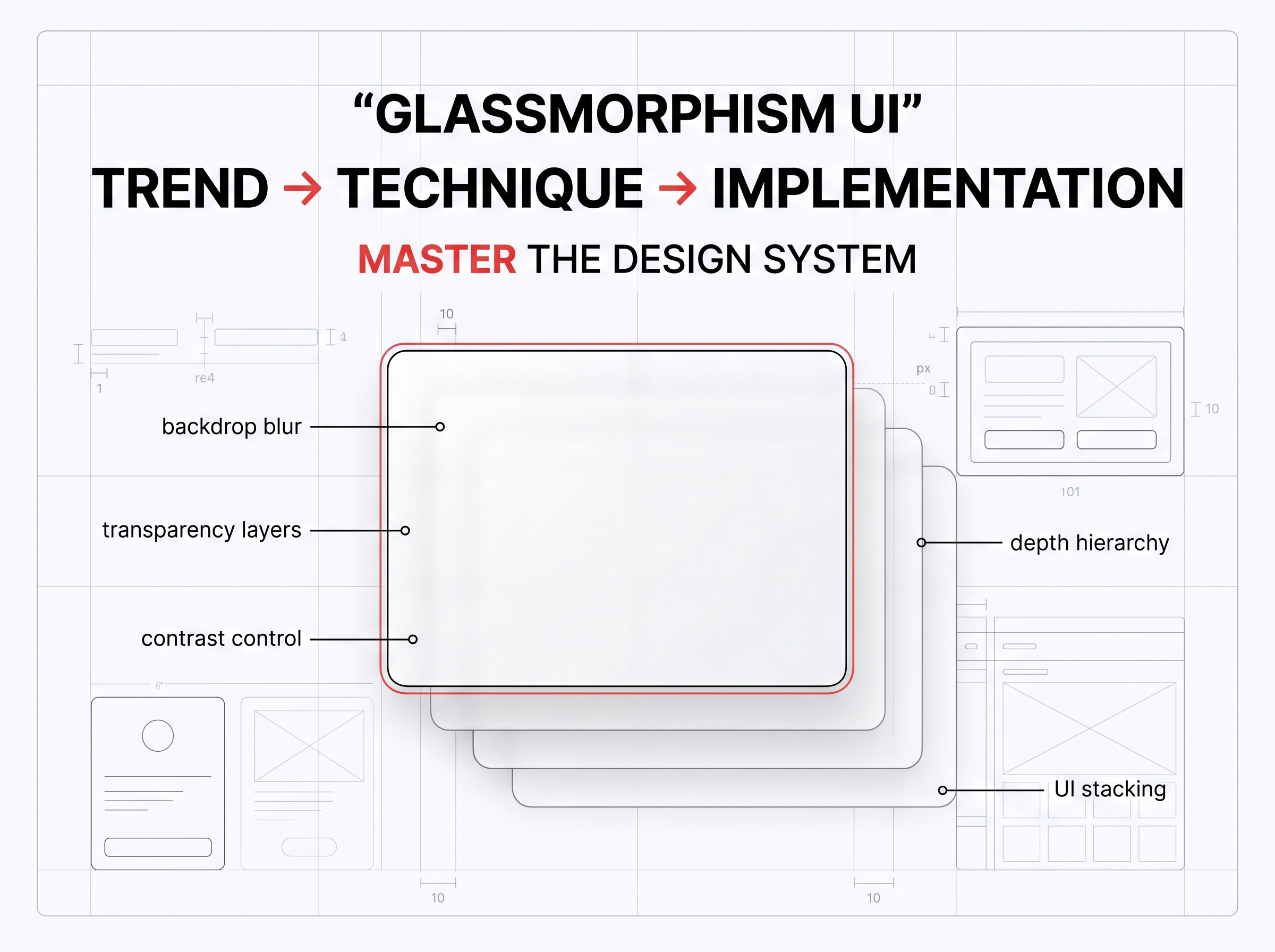
Mastering Glassmorphism in UI/UX: Trend, Technique & Practical Implementation
Glassmorphism isn’t just a visual trend—it’s a design philosophy rooted in depth, layering, and transparency. From operating systems to modern web apps, this aesthetic is becoming increasingly popular in 2025. In this blog, we’ll explore what glassmorphism is, how to use it in UI/UX design, and when it actually adds value to the user experience.
What Is Glassmorphism?
- Definition: A UI style featuring translucent backgrounds, soft borders, subtle shadows, and frosted-glass effects.
- Visual Components: Background blur, semi-transparent containers, vibrant backdrops, and layered depth.
- Origins: Popularized by macOS Big Sur and Windows Fluent Design, revived in modern apps and SaaS dashboards.
Why Glassmorphism Is Trending in 2025
- Return of Aesthetic Detail: As minimalism plateaus, designers seek fresh yet familiar depth cues.
- Device Readiness: Modern browsers and GPUs now support CSS backdrop-filter smoothly.
- AI Design Tools: AI-generated UI kits often include glassmorphism as a default style layer.
Best Use Cases for Glassmorphism
- Dashboards & Cards: Highlight layered information with soft background contrast.
- Login Screens: Create focus and elegance without visual overload.
- Hero Sections: Add dimensional depth without heavy graphics.
Tip: Glassmorphism works best with dark mode themes, vivid background gradients, or layered illustrations.
Implementation Techniques & Tools
- CSS Techniques: Use backdrop-filter: blur(10px) and semi-transparent backgrounds.
- Accessibility Considerations: Ensure sufficient contrast and avoid overuse.
- Tools: Figma, Adobe XD, and Framer all support glassmorphism presets.
When Not to Use It
- Content-Heavy UIs: Avoid when readability and data density are priorities.
- Low-End Devices: Can hinder performance without GPU support.
- Clarity vs Aesthetics: If the blur distracts more than it enhances, reconsider.
RPR Tip: At ROCKPAPER RUNWAY, our UI/UX team balances modern trends like glassmorphism with performance and usability, ensuring your digital product looks premium and performs flawlessly.
Summary:
- Glassmorphism is a frosted-glass UI effect using blur and transparency.
- Trending in 2025 due to aesthetic revival and modern device support.
- Best used in dashboards, cards, login screens, and hero sections.
- Requires careful contrast and performance optimization.
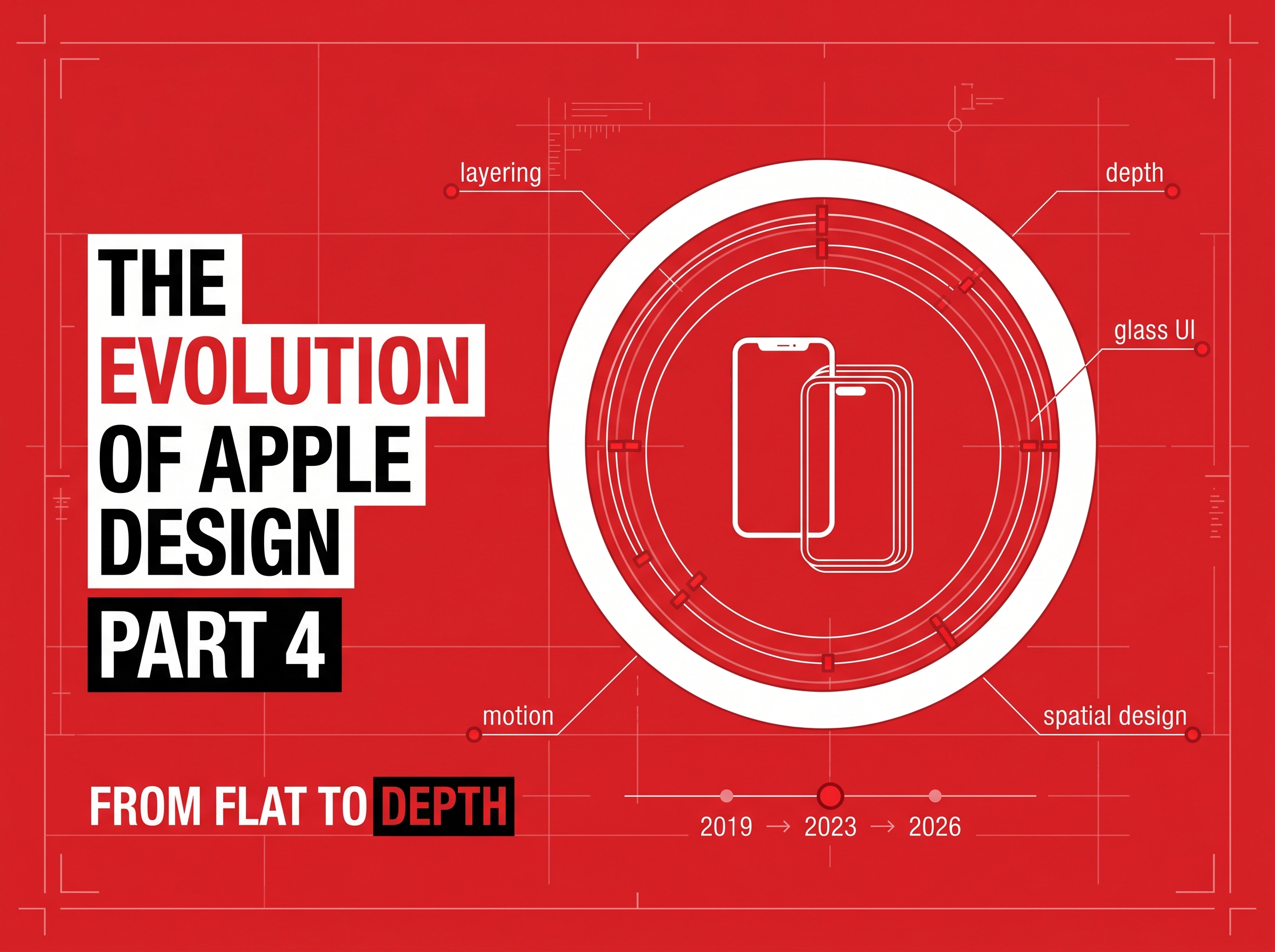
- 2026 Prediction: Expect glassmorphism to evolve into dynamic blur + 3D layering for immersive UI experiences.
Key Takeaways
- ✓Glassmorphism, when used wisely, enhances modern digital interfaces with elegance and depth. It’s not a fit-for-all aesthetic, but in the right context, it delivers a sleek, immersive user experience that feels both futuristic and familiar.
Discussion
Be the first to start the conversation.
Leave a Comment