Motion Design in 2025: Why Static Interfaces Are Dead
Discover why motion design is essential in 2025. Learn how animations, transitions, and micro-interactions are shaping modern UI/UX design trends.
Motion Design in 2025, Why Static Interfaces Are Dead:
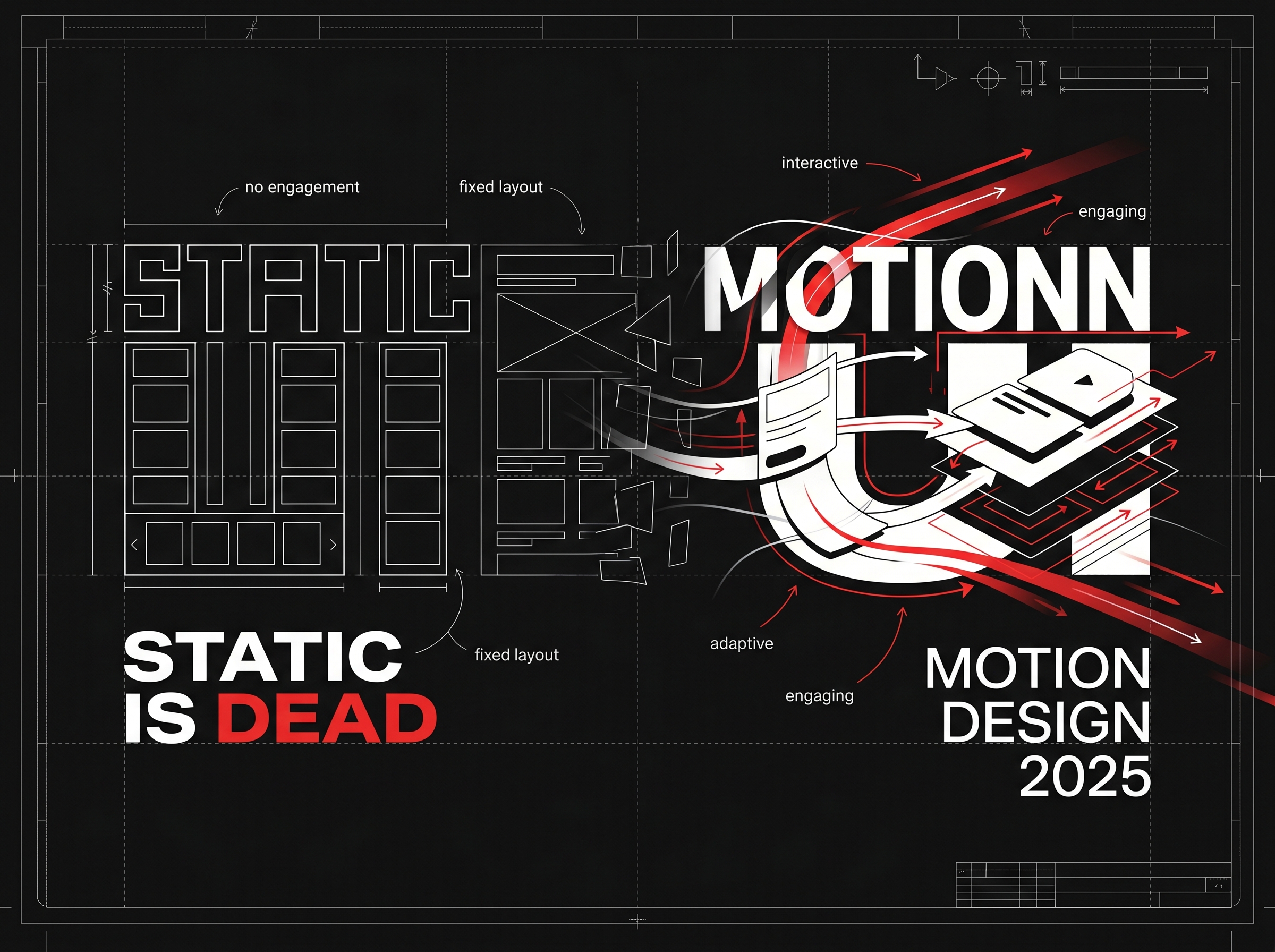
The web is no longer static. In 2025, motion design has become the language of digital interaction. From subtle micro-interactions to immersive transitions, motion adds clarity, personality, and delight to interfaces. Static design feels outdated—today’s users expect dynamic experiences that guide them seamlessly through apps, websites, and digital products
What is Motion Design in UI/UX?
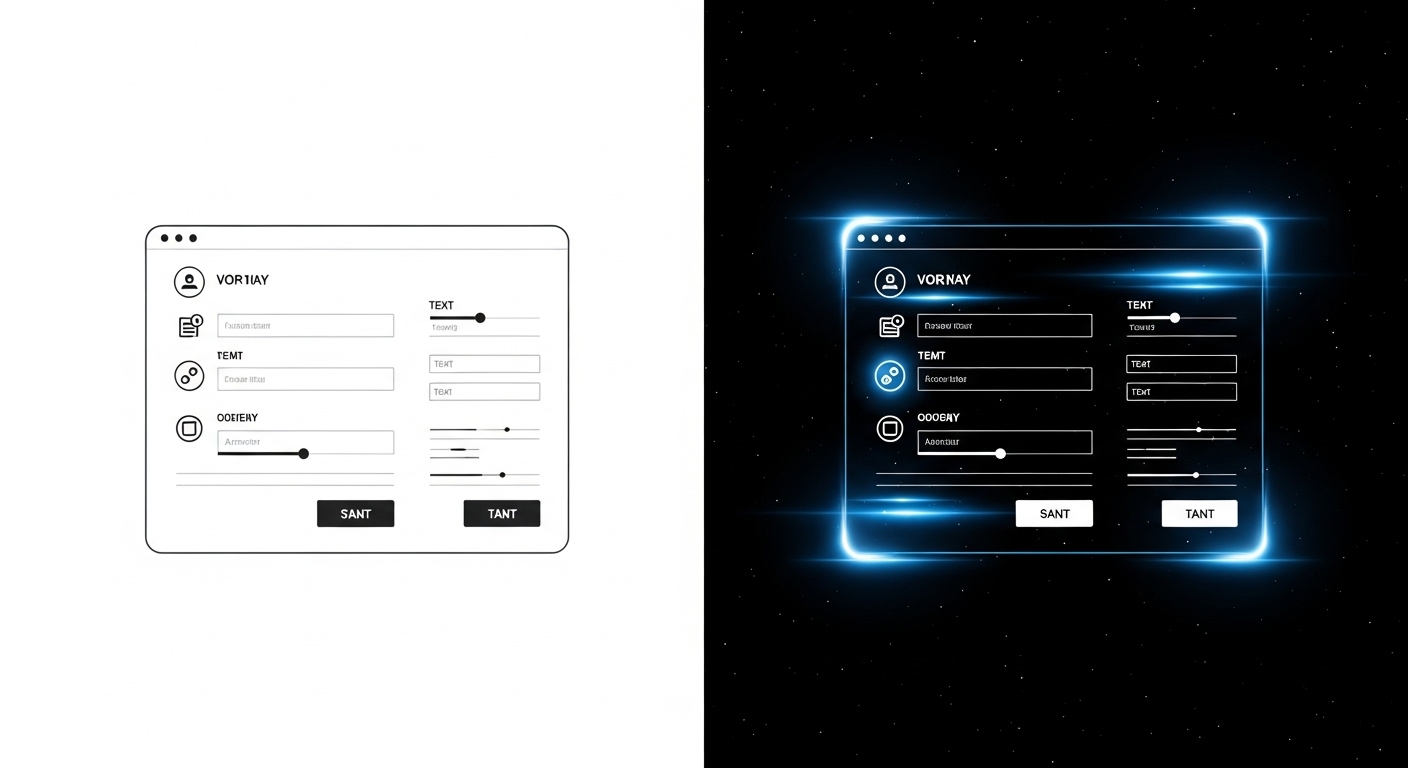
Motion design uses animation and movement to enhance user experiences. Unlike flashy effects of the early web, today’s motion design is purposeful:
- Micro-Interactions: Tiny animations (like a button ripple) that confirm actions.
- Transitions: Smooth page and state changes that provide context.
- Feedback Cues: Visual signals that reduce friction and confusion.
Why Static Interfaces Are Dead
- User Expectations: With TikTok, Reels, and AR/VR, users live in motion-rich environments.
- Clarity & Usability: Animations help users understand cause-and-effect relationships.
- Brand Differentiation: Motion design creates memorable, immersive experiences.
- AI + Motion: AI-generated design tools make motion easier to implement at scale.
Key Stat: 74% of users say they’re more likely to stay engaged with interactive and animated interfaces (Adobe, 2025).
Motion Design Best Practices in 2025
- Keep It Purposeful: Motion should clarify, not distract.
- Design for Accessibility: Avoid excessive motion for users with sensitivities; add motion controls.
- Use Micro-Interactions: Subtle touches improve engagement without overwhelming.
- Balance Speed & Smoothness: Animations should be fast enough to avoid delays but smooth enough to feel natural.
Motion Across Platforms
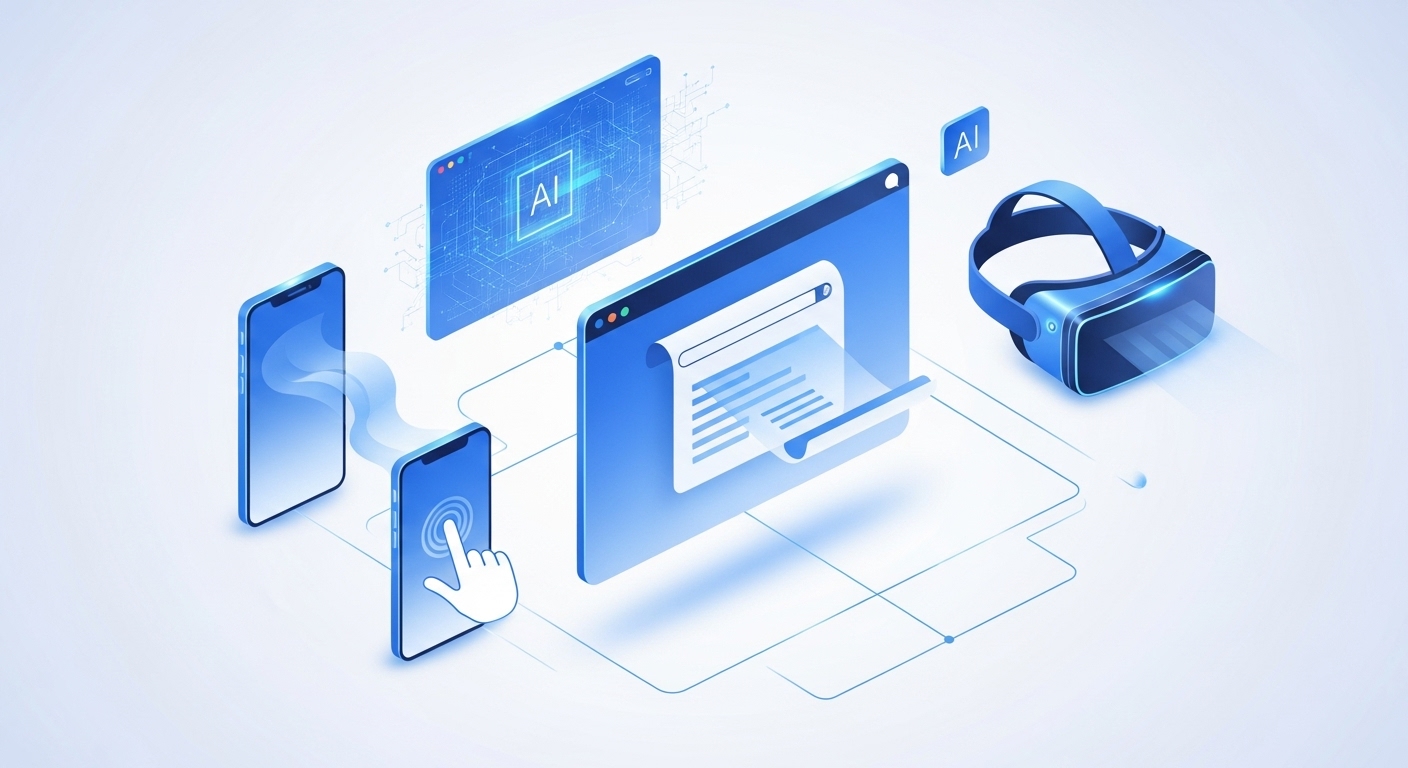
- Web: Animated scrolling, interactive product showcases.
- Mobile: Gesture-based animations, responsive feedback.
- AR/VR: Spatial motion cues for immersive navigation.
- AI Tools: Platforms like Framer and Figma AI now generate motion patterns automatically.
Related Reading: The Return of Skeuomorphism: Why Interfaces Are Becoming More Human Again
Case Studies
- Spotify: Uses micro-interactions in play buttons and personalized animations in Wrapped campaigns.
- Airbnb: Smooth transitions create trust in booking flows.
- Notion: Subtle motion in toggles and dropdowns keeps productivity tools engaging.
Quick Reference: Motion Design in 2025
- Static design feels outdated
- Motion = clarity, personality, delight
- Best practices: purposeful, accessible, smooth
- AI tools simplify motion integration
- Motion-rich brands see higher engagement
FAQ
Q: What is the difference between animation and motion design in UI?
A: Animation is movement; motion design is using that movement strategically to improve usability.
Q: How does motion design impact SEO or performance?
A: When optimized, motion reduces bounce rates and increases time-on-site—both positive for SEO.
Q: Do all apps need motion design?
A: Yes, but the level varies. Even subtle micro-interactions improve usability and engagement.
Key Takeaways
- ✓Motion design is no longer an enhancement—it’s a necessity. In 2025, static interfaces are dead. Brands that embrace purposeful, accessible, and engaging motion will create digital experiences that users remember.
- ✓💡 At ROCKPAPER RUNWAY, we design next-gen interfaces powered by motion—balancing usability, brand identity, and delight to create experiences that stand out.
Discussion
Be the first to start the conversation.
Leave a Comment