
The Return of Skeuomorphism? Why Interfaces Are Becoming More Human Again
Skeuomorphism is making a comeback in 2025. Explore why human-like design is returning, its benefits, risks, and how brands can use it effectively.
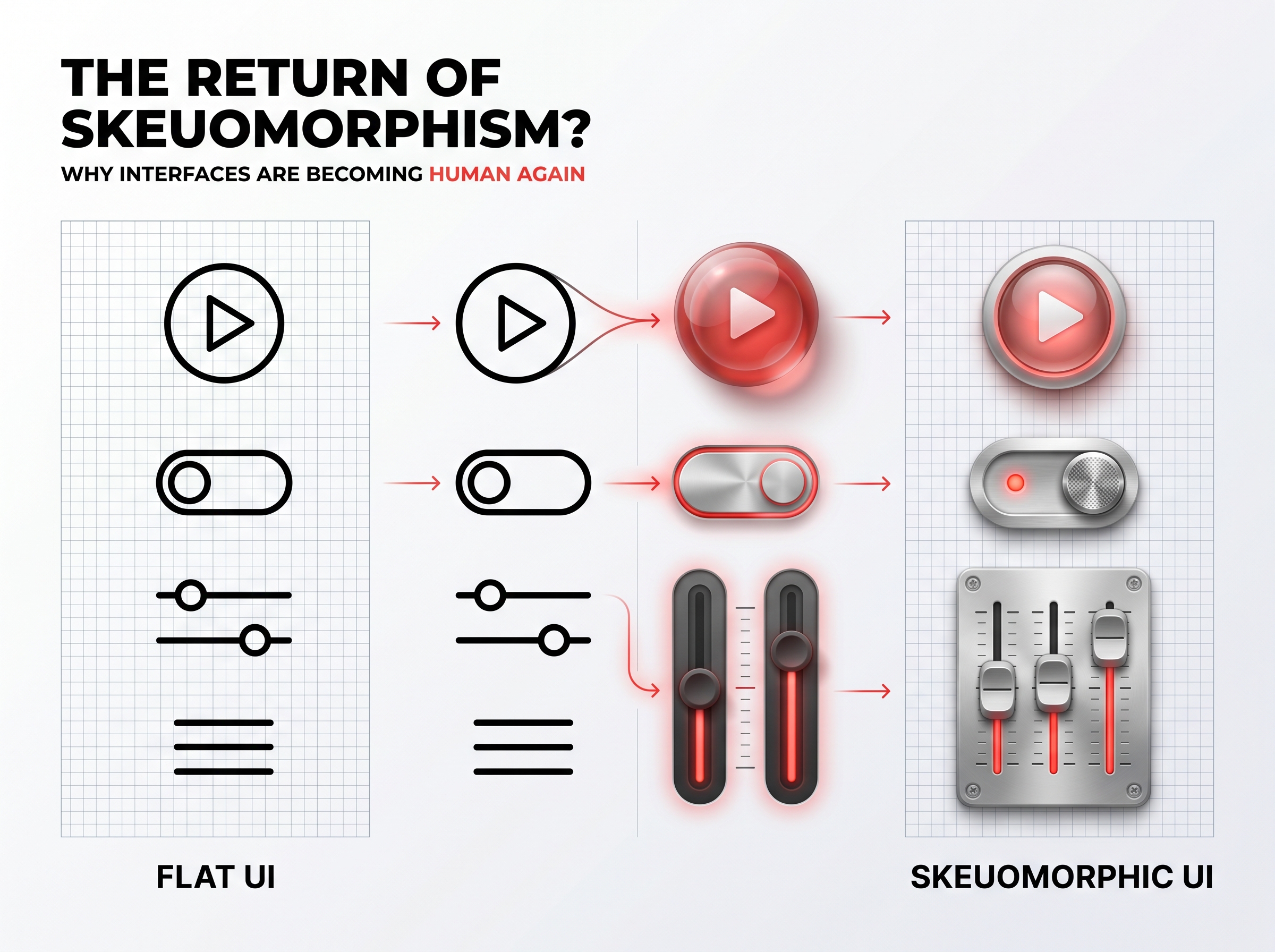
The Return of Skeuomorphism? Why Interfaces Are Becoming More Human Again
For years, design trends favored minimalism and flat UI. Clean lines, no shadows, no textures—just simplicity. But in 2025, skeuomorphism is quietly making a comeback. With AR, VR, and AI-driven personalization, interfaces are becoming more tactile, immersive, and human again. The question is: are we ready for the second wave of skeuomorphic design?
From Flat to Familiar: A Brief History
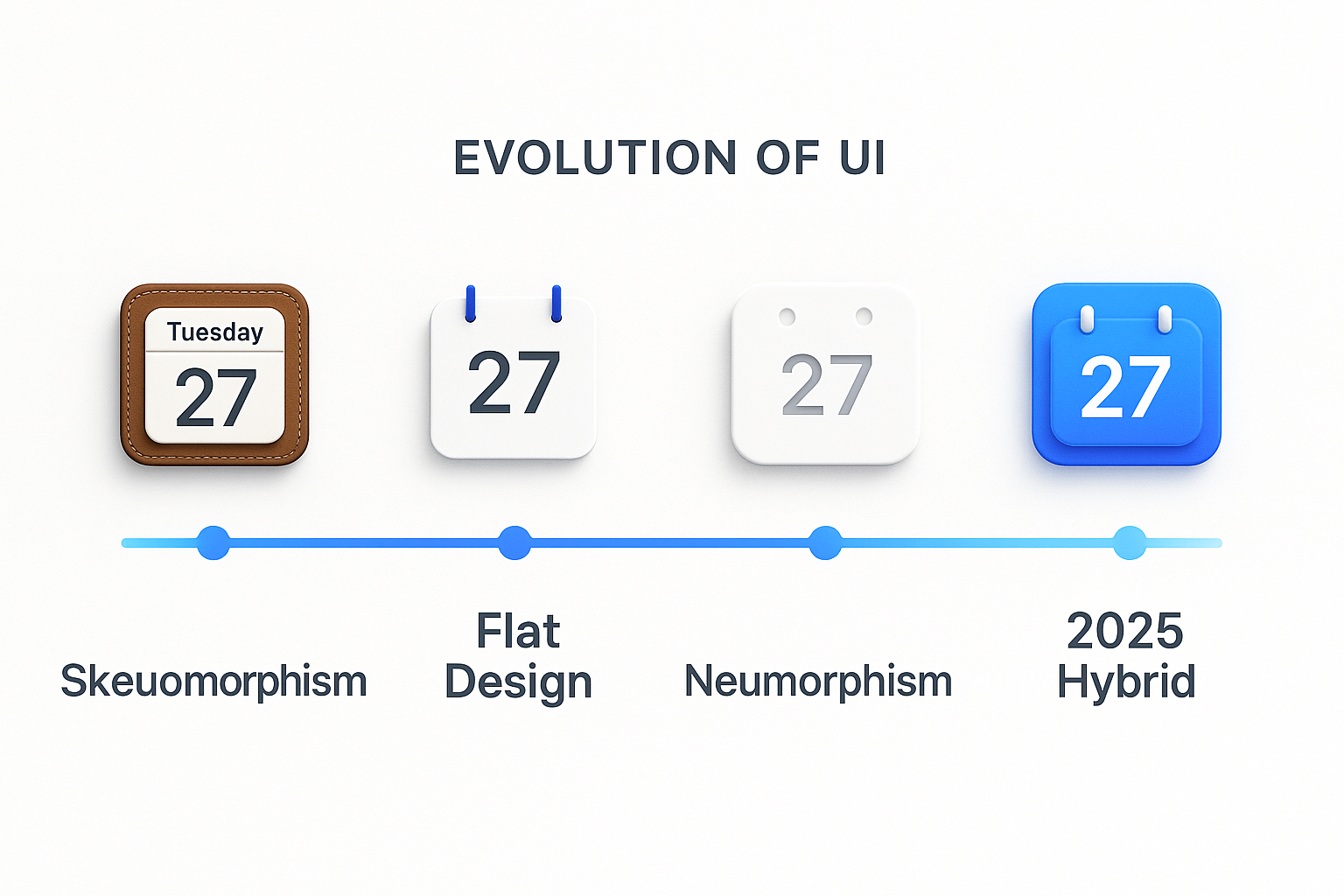
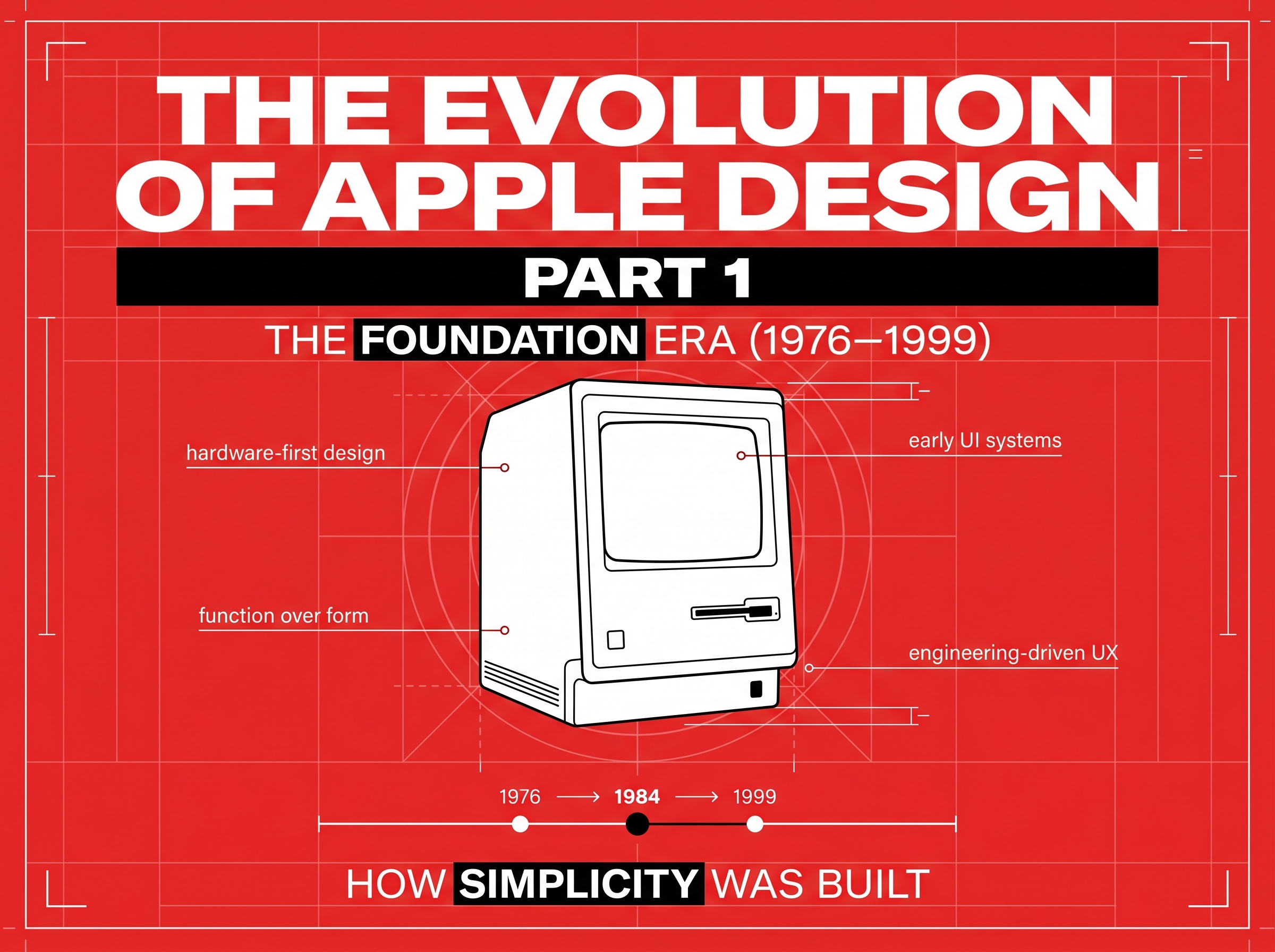
Think of early iOS interfaces, the Notes app looked like a real notepad, the Calendar had leather stitching. That was skeuomorphism at its peak. Then came the flat design revolution, stripping away realism in favor of digital clarity. Later, neumorphism experimented with subtle shadows and depth. Now, in 2025, we see a blend: functional minimalism with skeuomorphic cues that feel familiar and intuitive.
Why Skeuomorphism is Returning
Unlike flat interfaces, skeuomorphic elements:
- Provide familiarity: users instantly know how to interact.
- Offer emotional connection: textures and realism evoke trust.
- Enhance immersion in AR/VR environments where realism matters.
And with generative AI, designers can create rich, adaptive visuals at scale, making skeuomorphism more accessible than ever.

The Benefits of a More Human UI
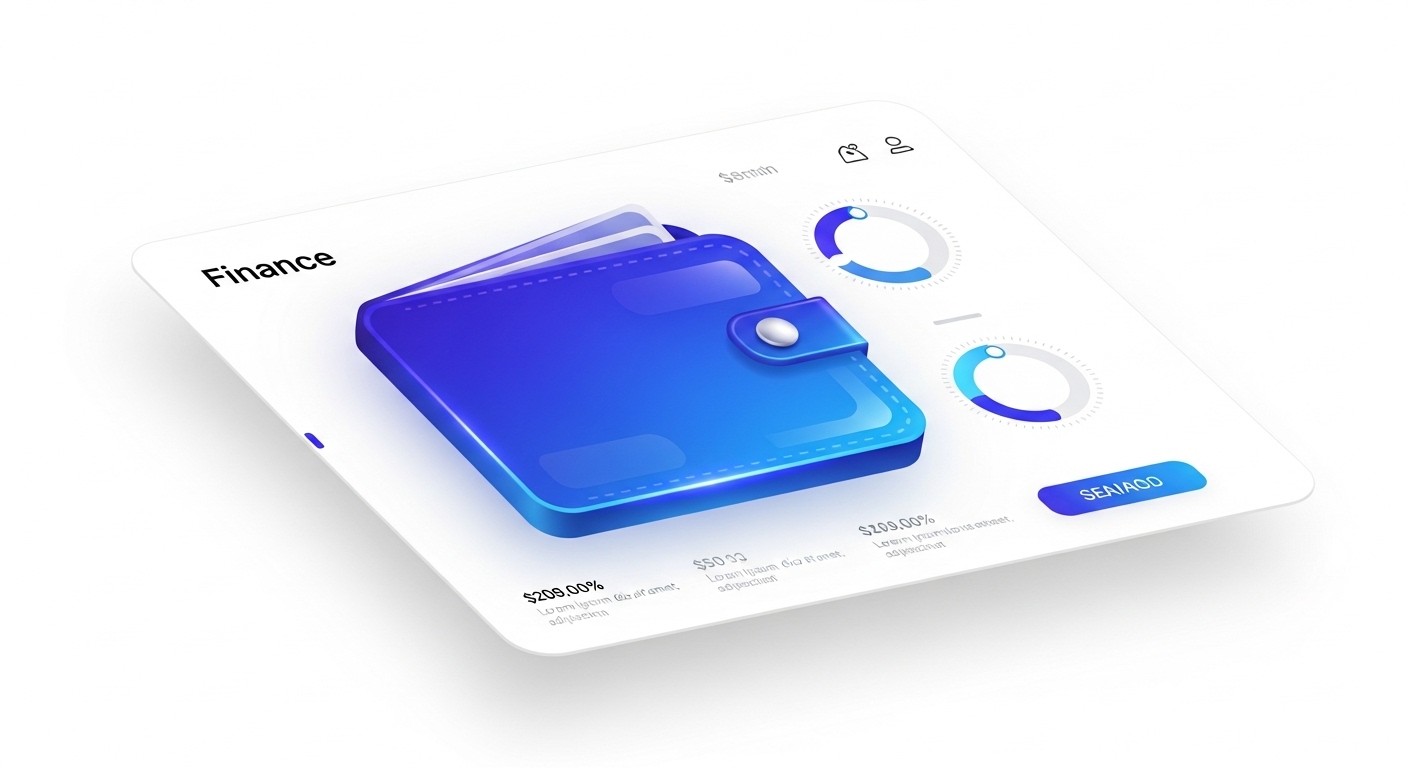
Picture a finance app where your wallet actually looks and feels like a wallet, or a music app with interactive dials instead of flat icons. When used strategically:
- Users experience greater engagement.
- Interfaces become more intuitive, reducing learning curves.
- Designs can evoke delight, creating brand differentiation.
The Risks of Going Too Far
Of course, skeuomorphism has pitfalls. Overly realistic designs can feel heavy, cluttered, or outdated. Accessibility can suffer if realism sacrifices contrast or readability. The sweet spot in 2025 isn’t full imitation of reality, it’s selective skeuomorphism: using human-like cues without overwhelming users.
How Brands Can Embrace Skeuomorphism in 2025
Instead of going back to stitched leather and glossy buttons, think hybrid design:
- Subtle textures that improve clarity
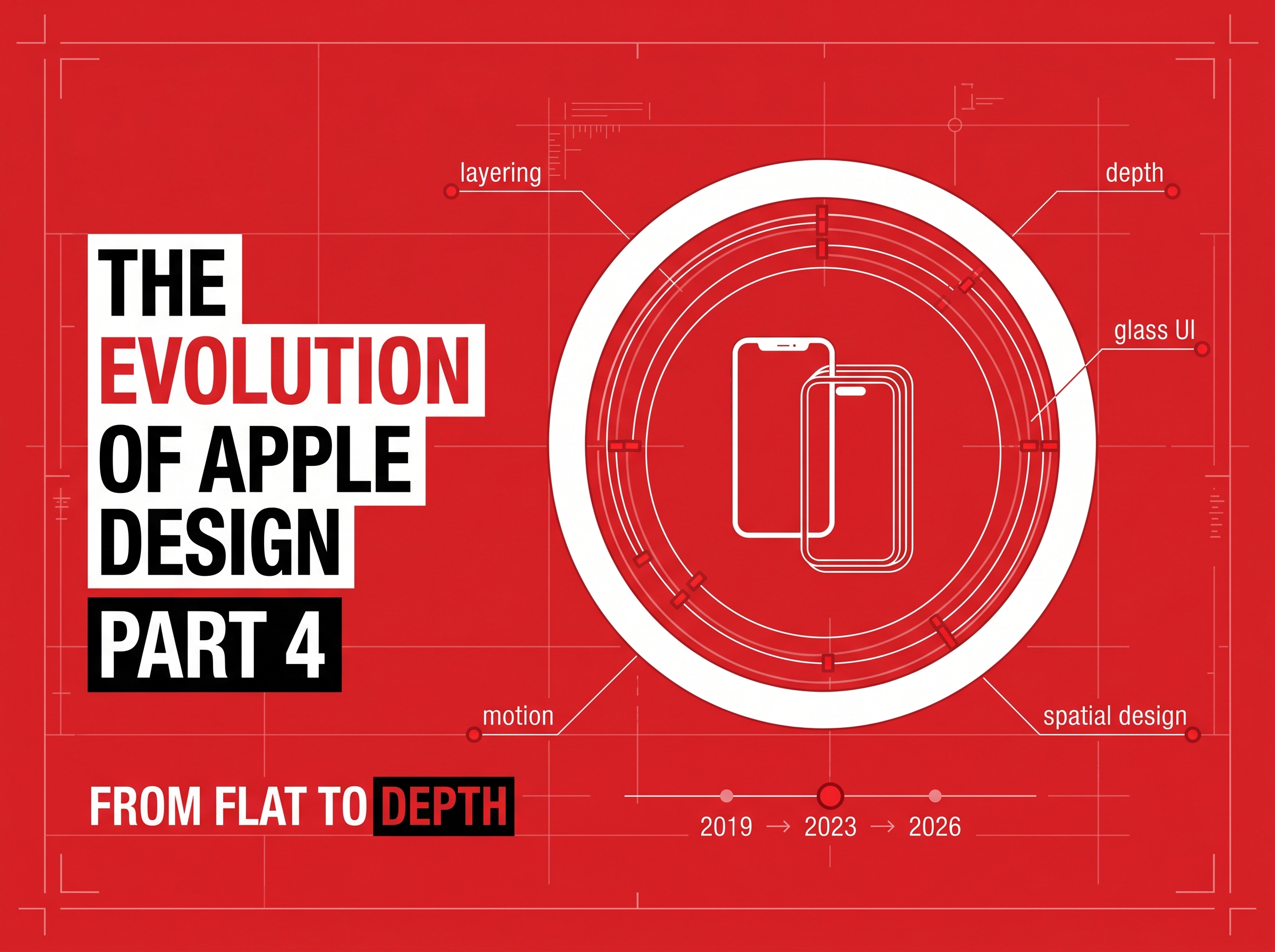
- 3D depth cues that guide interaction
- Familiar objects reimagined in modern interfaces
The future isn’t flat or fully skeuomorphic—it’s a thoughtful mix that feels digital, but human.
Pro Tip
💡 At ROCKPAPER RUNWAY, we design future-ready interfaces that balance minimalism with human-like skeuomorphic cues, building experiences that feel intuitive, immersive, and brand-defining.
Quick Reference: Skeuomorphism in 2025
- Returning through AR, VR, and AI-generated design
- Works best in hybrid form with minimalism
- Enhances familiarity, emotion, and immersion
- Risks: clutter, accessibility issues
- Future: digital interfaces that feel more human
FAQ
Q: What is skeuomorphism in UI design?
A: It’s a design style where digital elements mimic real-world textures, objects, or materials.
Q: Why is skeuomorphism coming back now?
A: AR, VR, and AI tools demand more immersive, tactile, and familiar design experiences.
Q: Should every brand adopt skeuomorphism?
A: Not fully. It works best when blended with minimalism to guide users while keeping designs modern.
Key Takeaways
- ✓Skeuomorphism isn’t about copying reality anymore—it’s about making digital experiences feel more human. In 2025, the best interfaces will strike a balance between clarity and familiarity.
- ✓At ROCKPAPER RUNWAY, we craft UI/UX strategies that merge modern minimalism with human-inspired design—helping brands stand out in the new wave of interface design.
Discussion
Be the first to start the conversation.
Leave a Comment