
Web Design Trends for 2026, The Future of Digital Experience
Discover the top web design trends for 2026 from AI-powered interfaces and hyper-personalization to motion-first UX and accessibility design. Stay ahead with this expert guide.
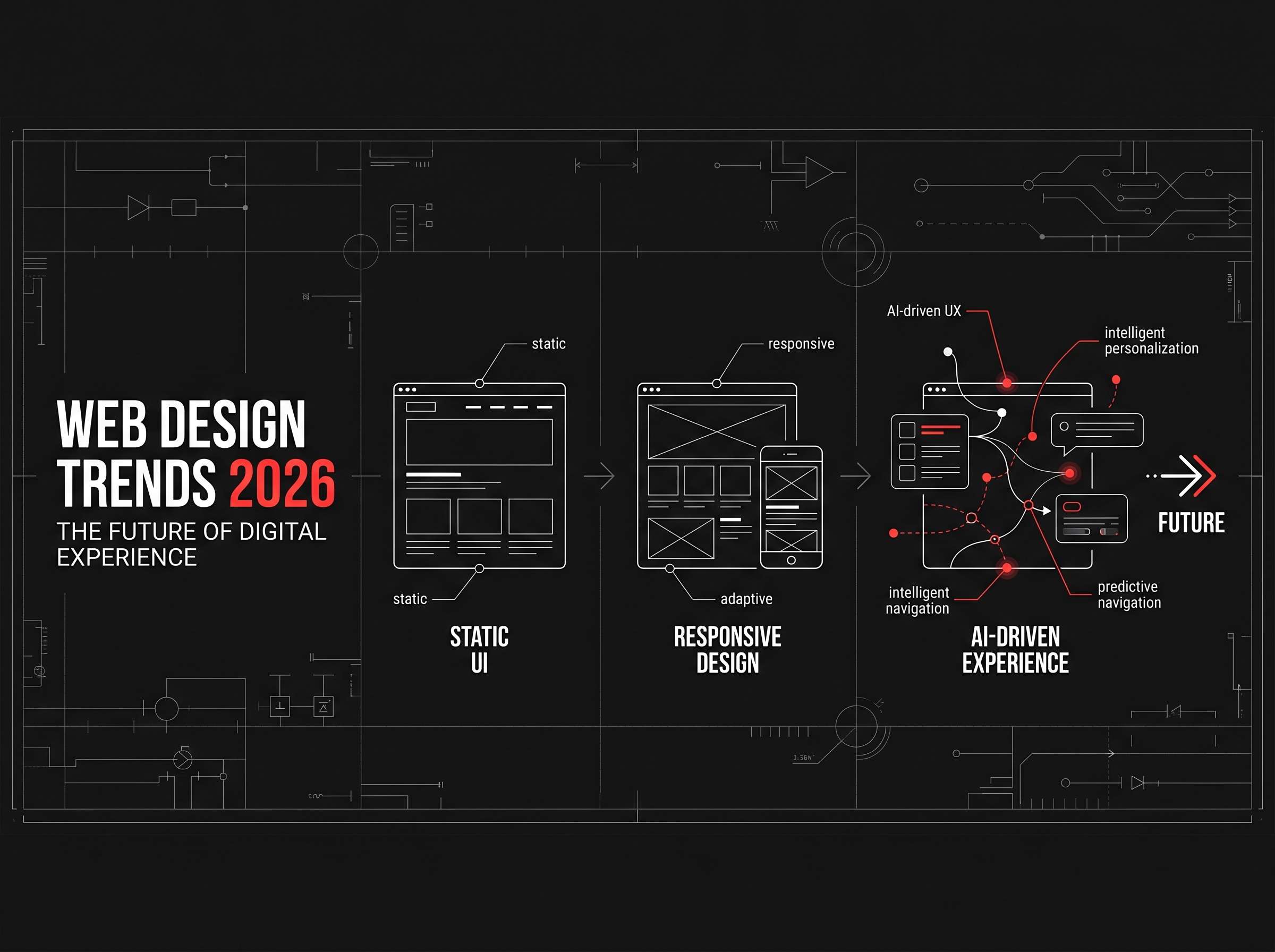
Web Design Trends for 2026: The Future of Digital Experience
The web design landscape is evolving faster than ever. As we approach 2026, the line between technology, creativity, and human experience is blurring. Static websites are out; adaptive, AI-driven, and emotionally intelligent experiences are in.
This isn’t just about design trends, it’s about how brands will connect, convert, and compete in an era defined by artificial intelligence, personalization, and accessibility.
At ROCKPAPER RUNWAY, we design AI-first websites that blend aesthetics, performance, and intelligence—helping brands dominate in the new era of digital experience.
1. AI-Powered Web Design Takes the Lead
Artificial Intelligence is no longer a novelty, it’s the backbone of 2026 web design. AI-driven platforms now generate layouts, optimize UX flows, and personalize interfaces in real time.
Why it matters: AI-first web design reduces friction, improves engagement, and delivers adaptive content tailored to each user’s behavior.
Example: Framer AI and Wix AI are integrating predictive design, allowing websites to evolve based on user intent and browsing history.
2. Hyper-Personalization Becomes Standard
In 2026, websites will no longer treat all visitors the same. Data-driven personalization will power every element from color palettes to product recommendations.
How it works: Websites dynamically adjust based on location, device, browsing behavior, and purchase patterns. A returning visitor will see different CTAs, offers, and visuals than a first-time user.
Impact: Expect higher conversion rates and deeper engagement. Personalization is now a competitive advantage, not a luxury.

3. Motion-First UX Dominates
Static interfaces are officially obsolete. Motion design has matured into a storytelling tool that enhances usability and emotional connection.
Trends to watch:
- Seamless scroll animations and parallax storytelling
- Micro-interactions that guide users intuitively
- AI-assisted animation frameworks for responsive motion
Example: Spotify and Notion use motion-first design to simplify navigation and amplify brand identity.
4. Accessibility-First Design Goes Mainstream
Accessibility is no longer compliance it’s good business. Inclusive design ensures websites reach all audiences and meet WCAG 3.0 standards.
2026 focus areas:
- AI-driven accessibility audits
- Voice and gesture navigation
- Dynamic contrast and font-size adjustments
Why it matters: Google and other AI search engines prioritize accessible, inclusive content. Accessibility now directly impacts SEO and brand reputation.
5. Immersive Storytelling and 3D Web Experiences
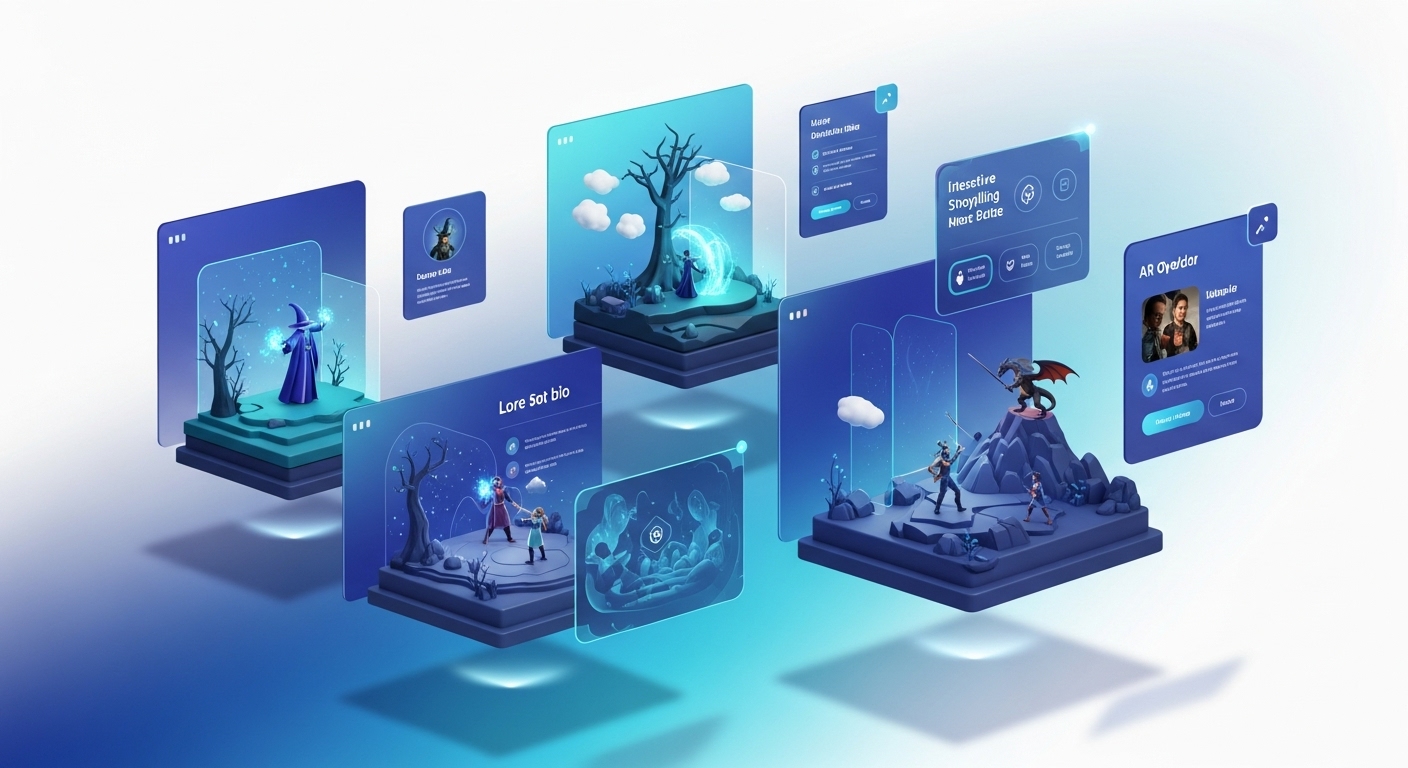
Web design in 2026 is cinematic. 3D elements, augmented reality (AR), and immersive storytelling create memorable experiences that keep users engaged longer.
Emerging practices:
- Interactive 3D product showcases
- VR-ready web experiences
- Dynamic scroll-triggered narratives
Example: Luxury brands and SaaS leaders are using 3D storytelling to merge emotion with interactivity.
6. The Rise of Voice and Conversational Design
Voice-activated and conversational interfaces will dominate next-gen UX. Users will interact through natural language rather than menus and buttons.
2026 innovations:
- Voice-based navigation
- AI chat assistants embedded in websites
- Hybrid conversational + visual UX experiences
SEO benefit: Voice search optimization will become a core SEO strategy for AI-driven search engines like ChatGPT and Google Gemini.
7. Sustainability and Performance Design
Eco-conscious design is shaping digital ethics. In 2026, lightweight code, green hosting, and carbon-aware design principles will define responsible web development.
Best practices:
- Optimize images and animations for minimal load
- Choose renewable-powered hosting
- Use dark mode to reduce energy use on OLED screens
Sustainability isn’t just ethical it’s strategic. Faster load times and greener websites perform better across search and user metrics.
8. Data-Driven UX and Predictive Analytics
Web design decisions are no longer aesthetic they’re analytical. AI tools track engagement heatmaps, predict drop-offs, and suggest UX improvements automatically.
2026 advantage: Brands that adopt predictive UX tools can evolve faster, fixing design bottlenecks before they impact conversions.
Example: AI tools like Hotjar AI and FullStory Predict provide real-time recommendations for improving usability and flow.
9. Minimalism Evolves into Emotional Clarity
Minimalism isn’t dead—it’s evolved. The new era of simplicity focuses on emotional connection and content clarity rather than just white space.
Design characteristics:
- Softer gradients and organic shapes
- Human-centered typography
- Subtle animations enhancing storytelling
This new minimalism balances calm design with purpose making brands feel both modern and meaningful.
10. Integrated AI-SEO Design for LLM Discovery
Design and SEO are finally merging. In 2026, every successful website will be built with AI-SEO architecture, structured for both Google’s AI Overviews and LLM search engines.
Core elements:
- Schema-driven layouts
- Embedded FAQs and structured data
- Content trained for conversational retrieval
Why it matters: LLMs like ChatGPT and Perplexity don’t crawl pages like Google they synthesize. Structuring your site for AI comprehension ensures your brand appears in conversational results.
Key Takeaways
- ✓Web design in 2026 will merge intelligence with emotion. Brands that embrace AI-first design, personalization, accessibility, and sustainability will lead the next digital wave. This is not the future of web design—it’s the next competitive edge.
- ✓At ROCKPAPER RUNWAY, we design AI-first websites that combine aesthetics, data, and intelligence—helping brands build digital experiences that grow with their users.
Discussion
Be the first to start the conversation.
Leave a Comment